

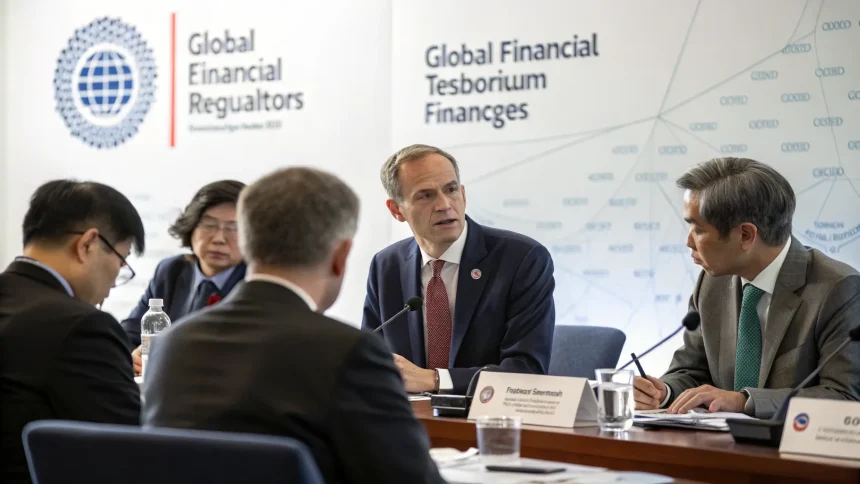
Treasury Secretary Scott Bessent called on G7 partners to back a new drive against Iranian terrorism financing at a conference, urging allies to tighten the net on money flows that support violent groups. He sought coordinated action across the major economies to block banks, brokers, and front companies that move funds for Tehran’s networks.
The appeal pointed to a wider effort to use financial tools, not just force, to curb attacks sponsored or supported by Iran. It also signaled pressure on the private sector to strengthen compliance and cut exposure to high‑risk transactions.
We must be “rooting out the financing that sustains it.”
Why the funding fight matters now
Iran has long faced U.S. sanctions tied to terrorism, ballistic missiles, and human rights abuses. Washington also designates the Islamic Revolutionary Guard Corps as a foreign terrorist organization. Bessent’s remarks point to concerns that revenue streams have adapted through sanctions evasion and global intermediaries.
The G7 has a history of aligning on financial pressure, from countering al‑Qaeda after 2001 to targeting Russian elites after the invasion of Ukraine. Officials and banks now face a similar test in tracing Iranian‑linked money across borders, currencies, and markets.
Iran remains on the Financial Action Task Force’s blacklist. That status warns banks of high money‑laundering and terrorism‑financing risks. It encourages enhanced checks and, in some cases, full exit from exposure.
How a coordinated squeeze could work
Officials say the tools are familiar, but enforcement must be faster and more uniform. That includes designating front companies, freezing assets, and sharing intelligence with financial institutions.
- Joint sanctions listings: Aligning names and justifications across G7 reduces loopholes.
- Maritime and trade scrutiny: Tracking ship‑to‑ship transfers, customs data, and re‑exports can cut off covert trade.
- Bank oversight: Risk‑based monitoring, improved screening, and quicker reporting of suspicious activity.
- Crypto enforcement: Targeting mixers and high‑risk exchanges that move funds without checks.
Analysts say the focus often falls on oil sales routed through intermediaries, charitable fronts that mask beneficiaries, and cash couriers operating in permissive hubs. Tighter action across G7 jurisdictions can make those methods costlier and less reliable.
Industry impact and compliance burdens
For banks and traders, a broader crackdown could mean higher due‑diligence costs and tougher audits. Large institutions already screen for Iranian links. Smaller firms may struggle with data gaps and false positives.
Consultants warn that over‑compliance can chill lawful trade, including humanitarian goods. Food and medicine are exempt from U.S. sanctions, but banks often avoid any Iran‑related transactions to reduce risk. European officials have pressed for clearer guidance so payments for exempt goods can move without delays.
Insurers and shippers could see higher premiums tied to vessels flagged for opaque ownership or unusual routing. That may reroute cargoes and increase costs for importers and exporters well outside the Middle East.
Balancing security, markets, and humanitarian needs
Supporters of stronger measures argue that drying up funds reduces the reach of proxy groups and limits attacks on civilians. They say finance is a pressure point that avoids direct military escalation.
Civil society groups caution that sweeping actions can hit ordinary people first. They ask for guardrails, such as safeguarded payment channels for aid groups and clear redress for entities wrongly flagged.
Energy market watchers note that enforcement against illicit oil trades can lift prices if supplies tighten. They urge phased steps and coordination with producers to avoid sudden shocks.
What to watch next
The test will be whether G7 members agree on common designations and timelines. Rapid information sharing with banks will also be key. Clear guidance on humanitarian exemptions could limit unintended harm.
Bessent’s call suggests more names on sanctions lists, tighter maritime tracking, and stepped‑up scrutiny of shell companies. Treasury officials typically follow such remarks with advisories to banks and industry alerts.
Success will depend on private‑sector adoption. Financial firms will look for data, not just rhetoric: ownership records, shipping alerts, and typologies of evasion that can be coded into screening systems.
The push marks a renewed bet on financial statecraft. If G7 members move in sync, they could make it harder and costlier to fund violent groups. If coordination lags, evasion networks will keep finding weak links.
For now, the message from the top U.S. finance official is clear. Cut the money, limit the violence. Watch for fresh sanctions, sharper compliance rules, and new pressure on intermediaries in the months ahead.