

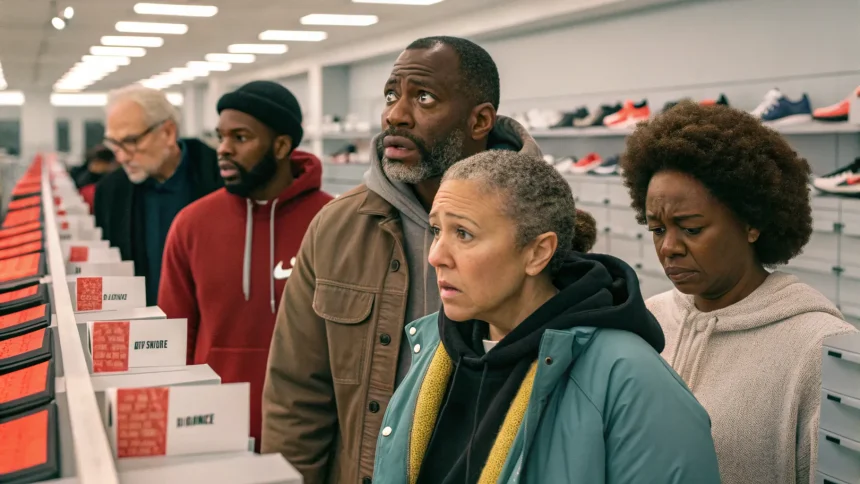
Nike is facing a new class action that challenges how one of the world’s biggest sportswear brands priced its goods during recent trade tensions. The suit alleges the company raised prices on footwear and apparel to cover tariffs and then did not return those added costs to customers. The filing brings fresh attention to how tariffs ripple through retail pricing and what rights shoppers may have when those pressures ease.
The plaintiffs argue that Nike passed on import duties tied to U.S. trade actions and failed to issue refunds once those conditions changed. The case, filed on behalf of consumers, seeks restitution and changes to pricing practices. It raises a basic question: when companies cite tariffs to justify price hikes, do customers deserve compensation if those extra costs fade or are removed?
What the complaint says
Nike “failed to refund tariff-related costs passed to consumers through higher prices on footwear and apparel.”
The lawsuit centers on pricing during periods when U.S. tariffs on goods from China increased, starting in 2018 under Section 301 of the Trade Act. Tariffs on a wide span of imports reached as high as 25 percent on certain items. Footwear and apparel already faced long-standing import duties, and many products saw additional charges layered on top.
While the filing places responsibility on the company, it also highlights a broader retail practice: using surcharges or price hikes to offset trade costs. The plaintiffs say consumers paid more at checkout and never received relief when tariff pressures shifted.
Tariffs, pricing, and a complicated supply chain
Tariffs are taxes on imports. Companies can pay them directly and then decide whether to absorb the cost, change sourcing, or raise prices. Footwear is especially sensitive to these moves, as base U.S. duties on some shoes can reach double-digit rates. During the trade dispute, the industry warned that higher duties could show up on store shelves.
Some tariffs introduced in 2018 and 2019 remain in effect. Others were reduced or delayed, and companies adjusted in different ways. Prices, however, do not always move in lockstep with tariff changes. Retailers consider raw materials, currency swings, marketing, and inventory cycles. That makes it hard to link a single price to a single policy change.
Legal hurdles for both sides
Consumer class actions of this kind usually must show that shoppers were misled or unfairly charged. Plaintiffs will likely try to connect price increases to tariff announcements and any statements the company made about costs. They may argue unjust enrichment, claiming the brand kept money tied to a temporary government policy.
Defense arguments often focus on the complexity of pricing decisions. A company can say it set prices using many inputs, not just tariffs, and that there is no duty to issue refunds absent a promise. Another question is causation: did tariffs directly cause a specific price hike at a specific time?
- Key issues: proof of pass-through, timing of price changes, and whether any refund duty exists.
- Potential outcomes: consumer restitution, pricing disclosures, or dismissal if links are not proven.
Industry impact and what comes next
However the case proceeds, it could influence how brands explain price moves to customers. If courts push for clearer disclosures, retailers may publish more detail on surcharges tied to trade actions. That could set new norms for transparency in fashion and footwear.
The suit also lands amid continued supply chain shifts. Some companies have diversified sourcing away from China to avoid tariff exposure. Others have leaned on promotions and outlet channels to manage higher shelf prices without formal surcharges.
What consumers should watch
Shoppers will want to track whether the court certifies the class, which determines how many people could be covered by any ruling or settlement. They should also watch for any proposed changes in pricing language online and in stores. Clear terms about surcharges, fees, and reasons for price moves could emerge if the case gains traction.
Three practical signals to monitor:
- New or updated notices on product pages about import-related costs.
- Changes in return or refund policies tied to government charges.
- Public filings from the case that define who is eligible for relief.
The outcome could set expectations for how brands handle government-driven costs in the future. If the plaintiffs succeed, other retailers may face similar questions about past price hikes. If the case falters, it may affirm that price setting is a business judgment unless a clear promise is made.
For now, the case puts pricing transparency under a spotlight. The next steps—motions to dismiss, class certification, and discovery—will shape whether consumers see refunds or new disclosures. Either way, shoppers are likely to get more clarity on how trade policy shows up at the register.