

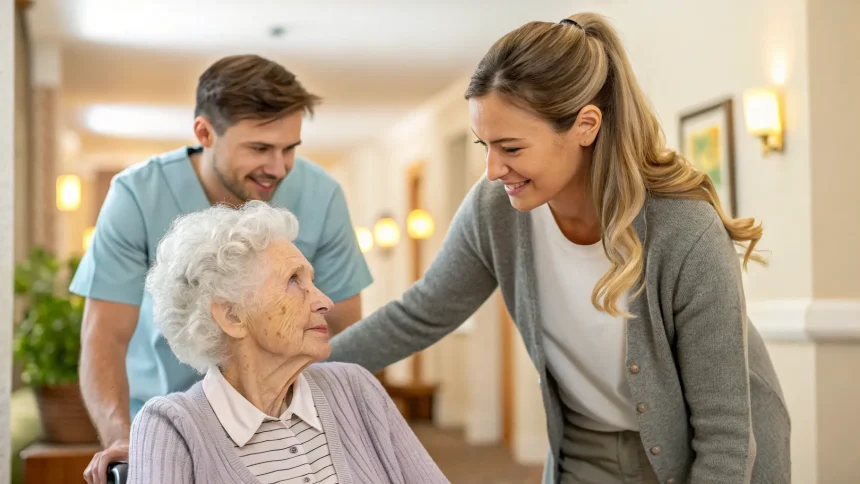
When staff at an assisted living facility struggle to decode an elder’s needs, CherlyAnn Haley steps in. She supports her 82-year-old mother, who lives with dementia, and has taken on a role many families know well—interpreting behavior, history, and subtle cues so daily care makes sense and stays humane.
Her experience reflects a wider shift in long-term care. As more Americans age into dementia, families are becoming the missing link between clinical routines and the person behind the diagnosis. The approach is urgent, personal, and often unpaid.
Background: A rising need for care partners
Dementia affects millions in the United States, with Alzheimer’s disease its leading cause. Advocacy groups estimate that more than six million Americans over 65 live with Alzheimer’s dementia. The number is expected to climb as the population ages.
Families are already carrying much of the load. Reports suggest that more than 11 million people provide unpaid care to relatives with dementia, contributing billions of hours each year. Even when a loved one moves to assisted living, family involvement remains central.
Haley describes the role as filling gaps that formal care cannot always cover. She monitors small changes, updates staff, and helps translate her mother’s behaviors into actionable steps.
‘Dementia translation’ at the bedside
“I serve as a dementia translator.”
Haley uses that phrase to explain how she connects her mother’s past routines to present needs. If her mother refuses a meal, Haley links it to longstanding food preferences. If agitation rises in the evening, she flags known triggers such as noise or bright lights. These details guide staff toward calmer, safer care.
The approach can prevent unnecessary distress. For people with dementia, unfamiliar faces, quick instructions, or sudden changes can increase confusion. A family advocate helps staff pace interactions and choose words that fit the person’s history and abilities.
Inside assisted living: communication makes or breaks care
Assisted living facilities vary in dementia training and staffing levels. Even strong teams face turnover and time pressure. That makes consistent, person-centered information hard to maintain across shifts.
Haley keeps a simple care profile at her mother’s bedside to support communication. It covers favorite music, lifelong habits, and successful calming steps. Staff can scan it in seconds during a busy shift. It also helps new team members build trust faster.
Experts say this kind of continuity reduces avoidable hospital trips and improves quality of life. When routines match the person, sleep often improves, aggression drops, and families report less burnout.
Balancing roles: family, staff, and the resident’s voice
Haley is careful not to replace staff judgment. Instead, she sees herself as a partner who adds context only a daughter would know. She shares updates during care conferences and asks for feedback after changes in medication or routine.
This partnership model respects the resident’s dignity. It centers the person’s values, even when memory fades. Choices like what to wear, when to bathe, or how to spend quiet time still matter. Haley’s message is simple: treat the whole person, not just the diagnosis.
What caregivers can do now
Families who want to support “translation” can start small and be consistent. Practical steps include:
- Create a one-page care profile with history, triggers, and calming tips.
- Share short, specific notes with staff after any change in behavior.
- Label items in the room and keep routines steady across shifts.
- Attend care meetings and ask how information will be shared with new staff.
- Use plain language and avoid rushing instructions during visits.
What lies ahead
As dementia cases grow, assisted living will face mounting communication challenges. Families like Haley’s will remain key partners, but systems will also need better training, staffing stability, and clearer care plans.
Haley’s approach offers a guidepost. By translating history into daily action, she helps turn confusion into comfort. The next test is scale: making this person-centered method standard, so every resident benefits, whether or not family can be at the bedside.
Her words capture the task and the hope. Acting as a “dementia translator” is not a title anyone seeks. But for many families, it is how love becomes care, and how care becomes a life with more ease and less fear.