

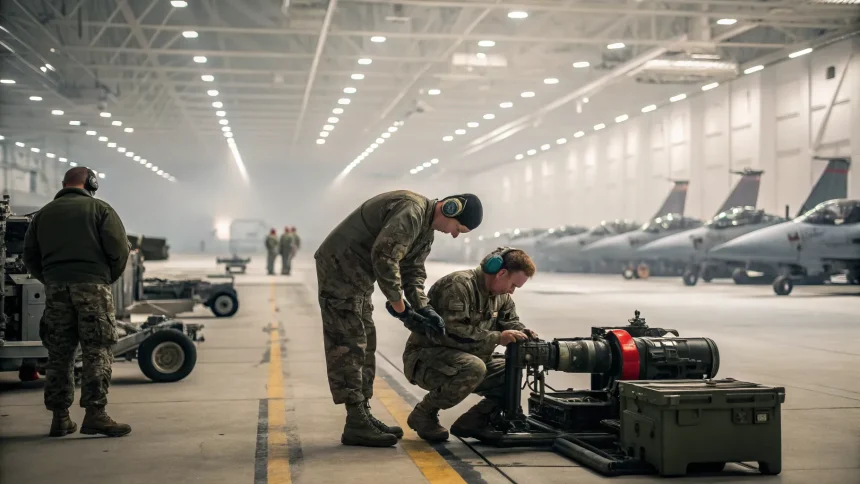
In a high-stakes budget review in Washington, the House Armed Services Subcommittee on Readiness examined how the fiscal year 2027 plan will keep U.S. forces ready to fight and win. Members pressed defense officials on training, maintenance, and the health of front-line units. Their focus was clear. They want to know if current dollars meet the needs of troops and equipment across the services.
The discussion centered on the balance between daily readiness and future force design. Lawmakers asked how maintenance backlogs, spare parts, and training time affect mission success. They also weighed the cost of new systems against the upkeep of gear already in service.
“Troop lethality and equipment maintenance.”
What readiness means for FY2027
Readiness is more than a budget line. It reflects whether units can deploy on time, with working equipment, and with troops who have trained to standard. In recent years, supply chain delays and aging fleets have strained maintenance schedules. Depot workloads have increased as ships, aircraft, and vehicles need deeper repairs.
Training has its own pressures. Units must log hours in the field and in simulators to keep skills sharp. Range access, fuel costs, and flight and sailing time all affect that effort. Recruiting and retention trends add to the challenge. If units do not have the right people, even the best gear cannot meet the plan.
Lawmakers have also warned that unstable annual funding harms schedules. Short-term spending bills can stall depot projects and delay contracts for parts. That leads to higher costs later and fewer available platforms when commanders need them.
Funding questions and trade-offs
Members asked where each dollar would do the most good. Munitions stockpiles remain a concern after years of high demand. The services are trying to expand production capacity while maintaining current inventories. That requires steady orders and long-term contracts with industry.
Shipyard and aviation depot capacity is another pressure point. Backlogs can sideline ships and aircraft for months. The committee examined whether planned investments will speed turnarounds and reduce repeat work. They also pressed for a clearer tie between funding and mission capable rates.
Training time is linked to safety and performance. Recent mishaps have renewed calls for more flight hours, better maintenance discipline, and improved oversight. Members asked whether FY2027 plans provide enough flying, sailing, and field training to reduce risk and build confidence.
Competing views inside the hearing
Defense officials argued that stable, on-time funding is the single best way to raise unit readiness. They said predictable budgets allow depots to plan, hire, and buy parts early. That reduces delays and costs.
Some lawmakers pushed for stronger oversight. They want proof that new money lifts mission capable rates, cuts wait times for parts, and gets units out of the maintenance queue faster. They pressed for clear benchmarks and public reporting.
Others stressed the need to keep pace with major competitors. They argued that high-end training and modern weapons are essential to deter conflict. In their view, cuts to readiness or munitions buy time now but increase risk later.
Data, metrics, and accountability
Members said FY2027 success should be measured by results that matter to commanders in the field. They called for standard metrics across the services so progress is easy to track and compare.
- Mission capable rates and average days waiting for parts.
- Depot throughput and repeat maintenance rates.
- Training hours by platform and unit, including simulator use.
- Munitions inventory against operational plans and production goals.
Officials noted that these measures should guide funding shifts through the year. If a program falls behind, money should move to the areas that yield faster readiness gains. They also highlighted the need to align contractor incentives with sustained performance, not just on-time delivery.
What comes next
The subcommittee will shape authorization language and signal its priorities for maintenance, training, and munitions. Appropriators will then decide final funding levels. Industry will watch for multi-year contracts, which can expand capacity and lower unit costs if demand is steady.
For troops, the outcome will show up in the basics. Are parts on the shelf when jets land? Do crews get the hours they need before deployment? Do ships clear the yards on schedule? FY2027 planning aims to answer yes to each question.
The hearing closed with a simple message. Readiness is built day by day. Stable funding, hard data, and honest reporting can keep units sharp. The next few months will reveal whether Congress and the Pentagon can lock in those gains and deliver the ready force the nation expects.