

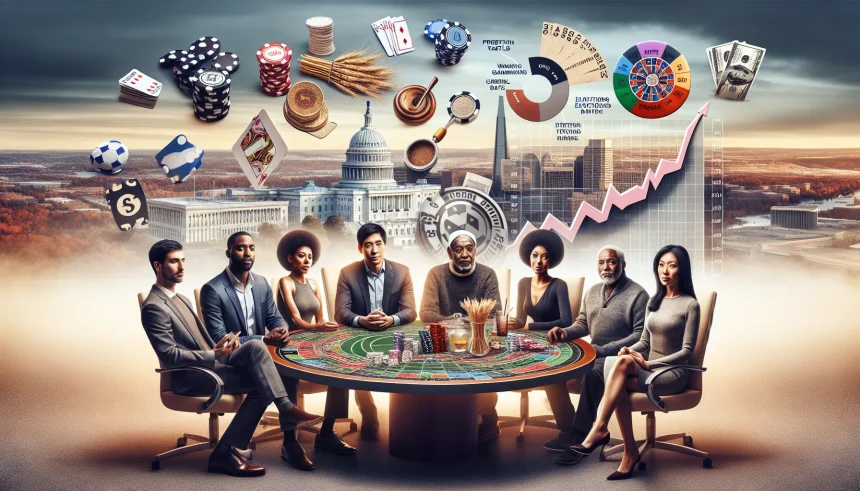
Prediction markets are pressing their case in Washington and in court, arguing they are more like futures on wheat than bets on sports. A fast-growing group of platforms, including Kalshi, say they help the public learn about the future, not gamble on it. The push has drawn attention from the Commodity Futures Trading Commission and former commissioners, and could shape how Americans trade on elections, economic data, or even weather.
The claim: information markets, not bets
The companies pitch a simple idea. Prices on “yes” or “no” contracts reveal the crowd’s best guess on outcomes. They argue this creates public value.
“They’re adding new knowledge to the world. Making us more informed about the future.”
Firms have leaned on the derivatives law. They say their contracts are “swaps” or a form of “futures market,” closer to grain and pork belly trading than to state-regulated sportsbooks. That framing places them under federal commodities rules, not gambling laws.
That argument has gained traction at times. It has also run into pushback when markets touch politics, where public policy risks rise.
Why the legal fight matters
At stake is who gets to offer markets on real-world events. If the CFTC greenlights more categories, everyday traders could buy contracts on inflation, jobs reports, or election control of Congress. If the agency holds the line, many of these markets may stay offshore or shut down.
Former CFTC Commissioner Kristin Johnson has spoken about oversight and investor protection in this space, highlighting the duty to police fraud and manipulation. Her comments reflect a broader concern: these markets look like gambling to many users, even when structured as derivatives.
“What looks like gambling and seems like gambling … is not.”
That line captures the industry’s thesis. It also shows the gap regulators must close with clear rules.
Winners, losers, and the slang of a new crowd
The boom has brought a wave of young traders armed with memes and market jargon. Some brag about “yes-fests” and “serious printing” during rallies. Others admit to “fat-finger” errors and quick losses. Professional market makers, or “bondsharps,” often profit from spreads and speed.
Supporters say this mix builds liquidity and sharper forecasts. Critics warn that retail users can be rinsed by pros and by complex rules they do not fully grasp.
What history tells us
Prediction markets are not new. The Iowa Electronic Markets have operated for decades as a research project with strict limits. Intrade shut U.S. access in 2012 after CFTC action. In 2022, the CFTC settled with Polymarket over unregistered event contracts. Each episode shows the same fault line: public interest in informative prices versus the risk of unregulated betting.
The Kalshi test case
Kalshi has positioned itself as a regulated U.S. exchange. It has sought approval for contracts on economic indicators and, at times, political control. Company filings argue that such markets help businesses hedge and help the public learn from prices. Opponents argue that political contracts can distort campaigns and invite manipulation.
Regulators weigh several questions before approval:
- Is the contract a legitimate hedge or mainly entertainment?
- Could the market be manipulated by insiders or deep pockets?
- Does the topic raise public interest risks, such as elections?
- Are retail users protected by clear rules and disclosures?
Impacts if growth continues
If these markets expand under CFTC oversight, businesses could hedge event risk more directly. Journalists and academics could cite prices as real-time probabilities. Retail traders would have new tools, and new ways to lose money.
There are also social risks. Prices can be mistaken for facts. Campaigns might chase “the market” to sway opinion. A single whale could nudge odds and headlines. Each of these effects argues for strong transparency and position limits.
What to watch next
Key signposts include fresh CFTC orders on event contracts, court rulings that test the limits of the Commodity Exchange Act, and any congressional moves on election betting. Platforms will continue to present themselves as information utilities, not casinos. Regulators will probe whether the rules and safeguards match that promise.
For now, the case turns on a fine line in law and public perception. If the CFTC permits broader event markets, the industry could move from the margins to the mainstream. If not, growth may slow or shift overseas. Readers should watch for new approvals, stricter compliance demands, and how platforms handle political events. The next decisions will set the tone for whether these markets teach us more about the future—or just sell us thrills dressed up as hedges.