

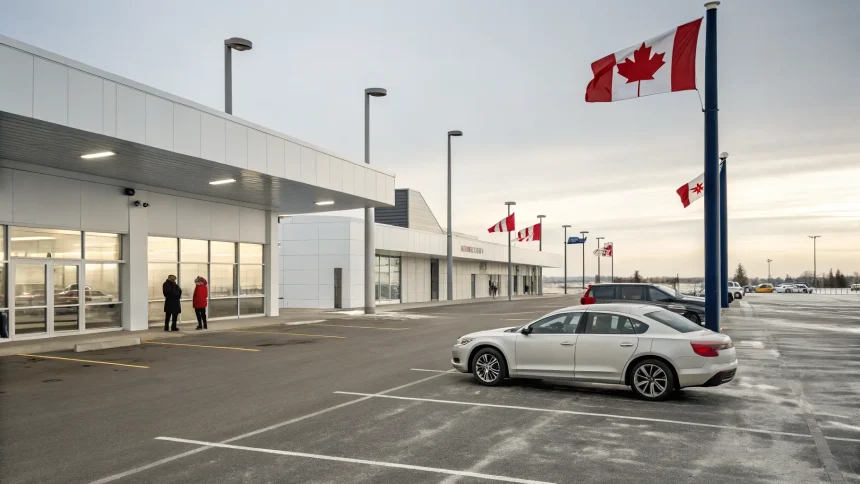
Canada’s auto market stumbled in March as the effects of the Iran war filtered through the economy, with car sales declining across every province. Dealers reported slower traffic and tighter inventory planning, while buyers faced higher borrowing costs and fresh uncertainty. The nationwide pullback highlights how overseas conflict can hit consumer confidence and supply lines at home.
The fallout from the Iran war continued to spread across the Canadian economy, with car sales falling in all 10 provinces in March.
Why It Matters Now
The auto sector is a key barometer of household confidence. Cars are big-ticket purchases, and shoppers often delay them when job, price, or geopolitical risks rise. March’s decline came as Canadians already faced elevated loan rates and persistent living costs. The added shock from conflict in the Middle East weighed on energy prices, shipping insurance, and delivery schedules, compounding pressure on dealers and buyers.
Background: A Sector Already Under Strain
Canada’s auto market has wrestled with volatility since the pandemic, including chip shortages, delivery delays, and price spikes. While supply improved in late 2023, financing costs stayed high, stretching monthly payments. Geopolitical tensions have renewed stress on parts and vehicle flows, since many components and finished cars move through sensitive shipping lanes.
Transport routes linked to the Gulf can face delays when conflict escalates. Higher marine insurance, rerouted cargo, and precautionary slowdowns add time and cost to imports. Those costs can reach dealerships and, ultimately, the showroom floor.
What Buyers and Dealers Are Seeing
Retailers describe a cautious spring start. Shoppers are taking more time to compare prices and financing, and many are choosing to keep vehicles longer. Some stores are trimming orders or focusing on models with steadier supply. The result is fewer signed contracts, even when foot traffic looks healthy.
- Loan affordability remains a top hurdle for many households.
- Uncertainty around fuel and insurance expenses is prompting buyers to pause.
- Wait times for specific trims and parts can still stretch planning.
Supply Chains, Energy, and Price Pressures
Conflict risk in the Middle East tends to lift energy prices and shipping costs. For automakers and parts suppliers, that can mean pricier freight and less predictable delivery windows. Even minor delays ripple through production plans, limit dealer choice, and raise carrying costs. If importers reroute ships to avoid higher-risk passages, transit times lengthen and inventory turns slow.
These pressures land on consumers as tighter discounts and fewer incentives. Some buyers pivot to used cars, which can lift prices there, while others wait for clearer signals on rates and fuel costs.
The Provincial Picture
March’s sales decline spanned all 10 provinces, pointing to a broad shift rather than a regional issue. Provinces with longer commutes may feel fuel-cost anxiety more acutely, while urban markets may be influenced by higher insurance and parking expenses. In both settings, financing conditions and delivery timing are central concerns.
Industry Impact and What Comes Next
Automakers and dealers are likely to adjust production mixes, steer marketing to models with reliable supply, and lean on certified used programs. Fleet buyers may delay refresh cycles, which can soften wholesale demand. If conflict pressures ease and shipping stabilizes, inventory could improve into the summer, though pricing will depend on financing conditions.
Key signals to watch include:
- Changes in borrowing costs for auto loans.
- Fuel price trends and volatility.
- Shipping reliability across Gulf-linked routes.
- Dealer incentives and inventory levels through the second quarter.
March’s across-the-board dip is a clear warning that global shocks can quickly filter into daily financial decisions. The next few months will show whether caution hardens into a longer slump or lifts with steadier supply and improved affordability. For now, the market’s direction hinges on shipping security, price stability, and the path of borrowing costs.