

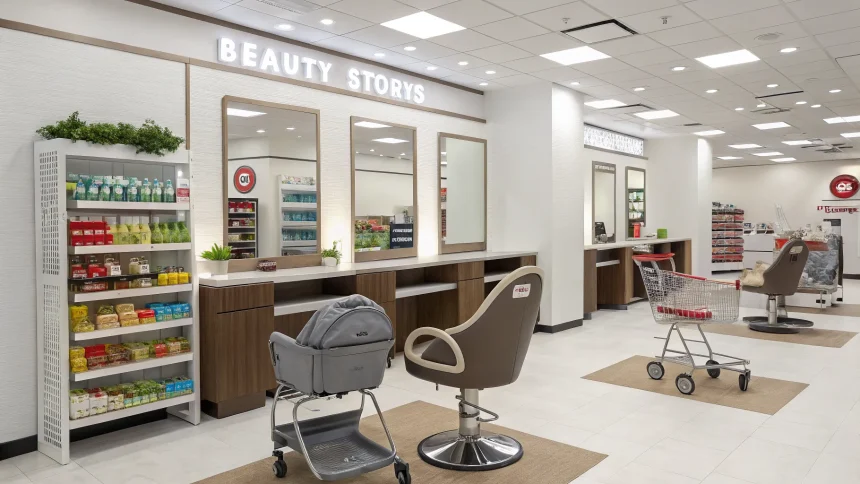
Target is weighing a fresh mix of services and staples to win back shoppers after a rocky stretch for sales. In a recent discussion, Target executive Michael Fiddelke said the company is exploring new in-store services and a bigger food push to revive growth and loyalty.
His plan centers on adding beauty studios, testing baby concierge services, and doubling grocery items to deepen weekly trips. The move comes as mass retailers chase steady traffic while discretionary spending stays uneven. The strategy aims to meet shoppers at key life moments and daily needs, while using services to set stores apart.
“Beauty studios, baby concierge services, and doubling grocery items will help turn Target around.”
Why Target is betting on services and staples
Retailers have leaned on essentials like food and household supplies to drive frequent visits. Services can add reasons to linger and spend. Beauty, in particular, has been a bright spot as shoppers trade prestige for value and seek guidance on products and routines. In-store studios offer hands-on help and events that e-commerce cannot match.
Baby care is another high-stakes category. Expectant parents build registries, seek advice, and make repeat purchases for years. A baby concierge could bundle registry support, gear education, and pickup or delivery options. That can lock in loyalty early, while smoothing a stressful phase for families.
Groceries remain the anchor. Expanding food choices can boost basket size and weekly visits. If shoppers can grab dinner, diapers, and a new moisturizer in one stop, Target’s odds of repeat trips rise.
What success could look like in stores
Fiddelke’s outline suggests a test-and-learn approach. Stores could pilot beauty stations with licensed staff, simple services like shade matching, and curated events. Baby concierges may start as appointment-based help during peak registry seasons. Grocery expansion would likely emphasize private labels and quick-meal options to protect margins and speed.
- Beauty studios: Try-ons, tutorials, and small services to raise conversion.
- Baby concierge: Registry setup, gear guidance, and pickup support.
- Grocery expansion: More fresh and pantry items, with value tiers and convenience.
The combined effect targets traffic, basket size, and attachment rates. Services could lift high-margin beauty sales. Baby support could reduce returns and improve satisfaction. A larger food set can smooth seasonal swings and stabilize revenue.
Risks and the roadblocks ahead
Services are labor intensive. They require training, consistent staffing, and space. Poor execution can frustrate shoppers and add costs. Beauty studios must stay compliant with hygiene rules and deliver a clear payoff in traffic and sales. Baby concierge programs need knowledgeable staff and simple booking tools. Grocery growth brings supply chain demands and spoilage risk if fresh items expand too fast.
Price pressure adds another test. Shoppers who come for food still expect value on detergent, apparel, and electronics. If aisles feel crowded or service waits grow, any traffic gains could fade. The company will need tight operations and clear signage to keep trips fast and friendly.
How this fits broader retail trends
Many big-box chains are moving to service-led models. They add clinics, salons, and shop-in-shops to stand out. At the same time, they lean harder on essentials to keep visits regular. Target’s concept follows that arc but tailors it to beauty and baby, two categories where advice matters and brand trust can stick.
Analysts have pointed to steady growth in consumables and select beauty segments, even as spending on home goods cooled. The blend of experience plus essentials is designed to defend share against grocers and online-only rivals. If tests show a lift in repeat visits and attachment, rollouts could follow in phases.
What shoppers and investors should watch
Early pilots will reveal whether the plan drives measurable gains. Key signals will include foot traffic trends, conversion in beauty, registry growth, and food basket size. Staffing levels and service quality will be just as important as the offer itself.
Fiddelke’s message sets a clear direction: make stores more useful for everyday needs and life milestones. The next few quarters will show if this mix can revive sales without raising costs too far.
Target is betting that hands-on help and a bigger pantry can bring back habit shopping. If beauty studios earn trust, baby concierges ease big decisions, and grocery aisles fill gaps, the strategy could stick. Watch for small pilots, tight playbooks, and patient scaling. The winners in mass retail this year will be those who save time, add value, and earn the next visit.