

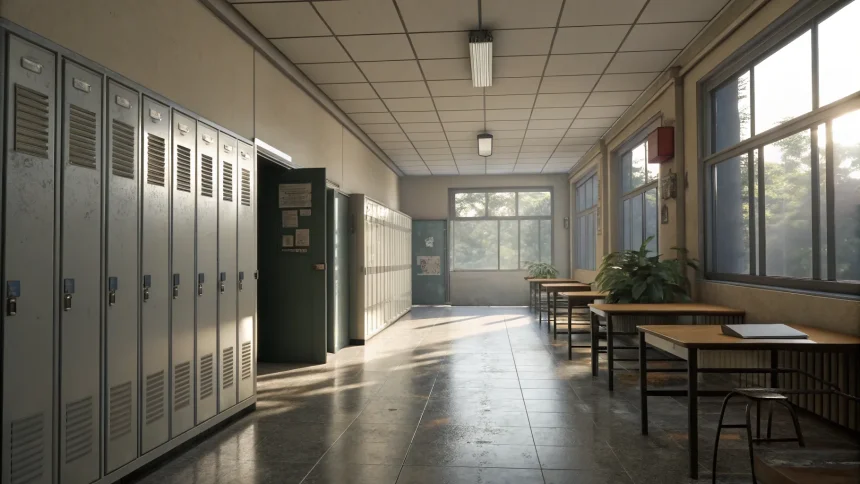
An 18-year-old opened fire with a shotgun inside a vocational high school, wounding 16 people and shaking a community that expected a normal school day. Authorities said the victims include 10 students, four teachers, a canteen worker, and a police officer. The shooting has prompted urgent questions about school safety, police readiness, and how communities support survivors after violent events.
An 18-year-old attacker, armed with a shotgun, fired randomly inside a vocational high school, wounding 10 students, four teachers, a canteen employee and a police officer, the local governor said.
What we know so far
Officials described a chaotic scene as students and staff tried to escape or shelter. The police officer was hurt while responding. Authorities have not released a motive. The alleged attacker’s age has raised concerns about access to firearms and how early warning signs are handled.
Investigators are reviewing security camera footage and witness statements. The school’s emergency plans are also under scrutiny. Teachers reported locking doors and guiding students to safer areas. Medical teams treated injuries ranging from shotgun pellets to trauma-related shock.
Official response and immediate actions
The governor’s office confirmed the number of wounded and said counseling teams are on standby. Police are assessing how quickly officers entered the building and whether communications were clear. Health officials urged families to monitor students for delayed stress reactions, sleep issues, and anxiety.
School leaders plan a staggered return to classes. Counselors will be present when students come back. Many parents have called for stronger entry screening and regular safety drills tailored to vocational campuses, where students often move between workshops and classrooms.
Safety gaps on vocational campuses
Vocational schools face unique security challenges because of wide halls, multiple workshops, and sometimes numerous exterior doors. Staff often supervise hands-on training, which can make lockdowns harder to coordinate. Experts say small changes can help, including controlled access, visible ID badges, and radios for rapid alerts.
- Limit entry to one monitored door during class hours.
- Run short, frequent safety drills that reflect real building layouts.
- Use clear, plain-language alerts over codes to reduce confusion.
- Expand anonymous reporting tools for students and staff.
- Offer immediate and long-term counseling, including peer support.
Community impact and recovery
Students and teachers will carry the memory of the attack long after the news cycle ends. Trauma specialists note that recovery is not linear. Some people improve quickly, while others struggle weeks later. Coaches, club leaders, and classroom teachers often notice changes first and can guide students to help.
Parents have asked for regular updates from school leaders. Clear communication about safety upgrades, counseling options, and attendance flexibility can reduce fear. Faith groups and local nonprofits often become key partners, providing meals, child care, and safe spaces for conversation.
Wider questions about access and prevention
The attacker’s age will renew debates over firearm storage, background checks, and how teens obtain weapons. Educators also point to missed signals in many attacks, including social withdrawal, grievances, or online posts. Researchers say that early intervention, even when behavior is not criminal, can reduce risk.
Threat assessment teams—made up of counselors, teachers, and police—can help. They look at behavior patterns, not stereotypes, and connect students to support before a crisis escalates. Privacy rules still apply, but schools can act when safety is at risk.
What comes next
Authorities will release more details as the investigation continues. The school community will mark milestones: hospital discharges, memorial gatherings, and the first day back in class. Each step will require patience and care.
This incident highlights the need for simple security measures, open lines for reporting, and strong mental health support. Families and schools will watch for signs of healing—and for concrete changes that make campuses safer without turning them into fortresses.
For now, the focus remains on the wounded, their recovery, and clear steps to prevent another day like this. The answers will not arrive at once, but the work can start today.