

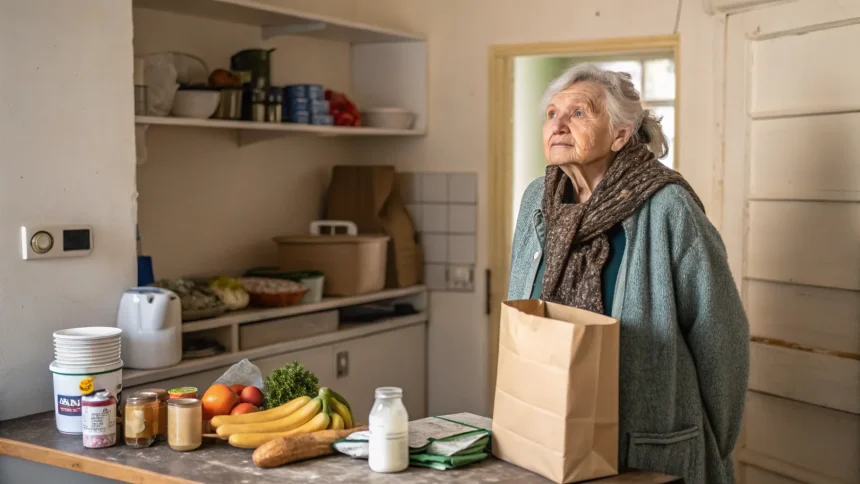
As everyday prices keep rising, one long-time helper now needs help herself. Dalene Basden, who has spent decades supporting people on tight budgets, says her own cash now runs short. The jump in gas and groceries is forcing hard choices in her home and in the homes she serves.
She has spent decades helping others struggling to make ends meet. Now the rising cost of gas and groceries has left Dalene Basden feeling the strain herself.
Her experience reflects a wider squeeze in many towns. Food costs climbed sharply after the pandemic supply shocks. Gas remains volatile. Inflation has slowed from its 2022 peak, but essentials remain high. That gap is hitting workers, caregivers, and households on fixed incomes.
A helper under pressure
Basden’s day once centered on stretching each client’s dollar. Now she uses the same playbook at her own kitchen table. She trims non-essentials, plans meals, and limits driving. But the math is tighter than before.
“I can tell someone how to budget,” she explained to colleagues recently. “It’s different when I am counting my own miles to the store.” Prices at the pump set the tone for her week. A full tank means fewer unplanned visits and less outreach.
Food runs tell the same story. Basic items cost more, even with coupons. She watches store brands, checks weekly ads, and buys in bulk when possible. Still, the totals surprise her. She sees the same shock on clients’ faces.
Prices that outpace paychecks
U.S. inflation peaked at 9.1% in June 2022, the highest in four decades, before cooling in 2023 and 2024. Yet many staples did not return to earlier price levels. According to federal data, grocery prices remain roughly one-fifth higher than in 2020. Gasoline prices have swung with global supply and seasonal demand.
Wages rose for many workers, but not always fast enough to cover higher bills. Rent, insurance, and utilities add strain. Families who used to donate now ask for help. Food banks report heavier traffic, longer lines, and more first-time visitors.
For people like Basden, the pressure lands twice. Personal costs rise as community needs grow. That double hit tests small nonprofits and local aid networks.
Community responses and trade-offs
Local groups are adjusting. Some have shifted hours to save fuel. Others moved intakes online. A few negotiated bulk purchasing for pantries and hygiene items. Volunteers coordinate carpools and plan multi-stop delivery routes.
- Food pantries lean into shelf-stable items with better value per dollar.
- Mutual-aid groups map grocery specials and share price alerts.
- Caseworkers bundle errands to cut gas costs and time on the road.
These steps help, but they have limits. Service cuts can leave gaps. Remote intake can miss people without internet access. Bulk buying requires cash up front, which many small groups lack.
What this means for households
The squeeze changes daily life. Families drive less and chain errands. They swap fresh produce for frozen to avoid waste. They try store brands before name brands. Some delay car repairs or health appointments, which can carry long-term costs.
Basden worries about burnout among helpers. Caring for others while struggling at home wears on morale. She adds brief check-ins with her team and clients to spot trouble early. Small supports—gas cards, transit passes, and utility assistance—can stabilize a family fast.
Signals to watch
Analysts are tracking three signals: food inflation, fuel volatility, and wage growth. If gasoline spikes again, service reach could shrink. If grocery inflation stays sticky, pantry demand may climb into the holidays. Stronger wage gains would ease some pressure but not fix high baseline prices.
Local leaders suggest practical steps. Short grants for fuel and fresh food can keep outreach going. Partnerships with grocers can secure discounts on staples. Cities can align bus routes with pantry hours. Clear, simple applications help families get aid fast.
Basden’s story is one of many, but it illustrates the moment. Prices cooled on paper, yet household math still feels tight. The helpers are now part of the line. The next few months will show whether wages catch up, gas steadies, and food costs ease. Until then, communities will keep stretching each dollar—and watching every mile.