

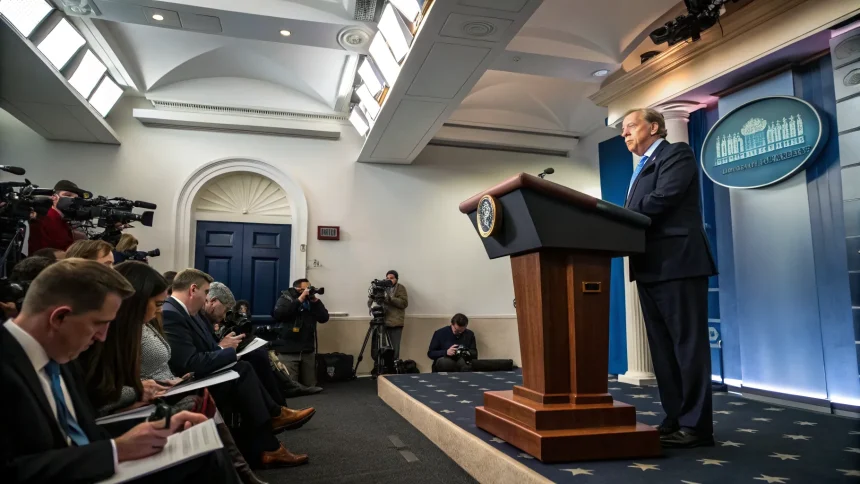
A passing comment from the head of a major federal health agency has ignited fresh debate over how much the public should know about a president’s medical status. In a recent exchange, the administrator of the Centers for Medicare and Medicaid Services (CMS) said the president was “curious” about his health, hinting at private questions inside the White House but offering few details.
The remark, brief and open to interpretation, arrives at a time when concerns over transparency meet the privacy rights of any patient, including a sitting president. It raises questions about who speaks for a president’s health, what should be shared, and when.
The CMS administrator speculated that the president was “curious” about the state of his health.
Why a single sentence matters
Presidential health has long drawn public interest because it ties directly to national security, market stability, and policy continuity. Even small hints can move political debate. The CMS leader’s choice of words suggested the president was seeking information, but did not specify what prompted it, what was asked, or what guidance followed.
Without context, such remarks can fuel speculation. Supporters may view it as a normal sign of engagement from a patient with a demanding job. Critics may argue that any offhand comment on presidential health should come through official medical channels, not through a policy agency known for administering Medicare and Medicaid.
How presidential health is usually shared
Modern presidents typically undergo annual physicals and release summaries prepared by the White House physician. These documents often include vital signs, medications, imaging results, and fitness notes. Communications are usually led by the medical unit, with occasional briefings by the press secretary.
CMS, by contrast, manages federal insurance programs serving over 150 million people. It sets coverage rules, oversees quality standards, and pays providers. It does not manage the president’s care. That is why a health-related comment by the CMS administrator, rather than the president’s doctors, stood out.
- White House physicians traditionally provide official updates.
- CMS oversees Medicare and Medicaid policy, not presidential care.
- Unclear sourcing can blur lines between policy and personal health.
Balancing privacy and the public interest
Medical privacy laws protect patients, including public figures. Yet there is a strong public interest in the health of a president who holds command authority and signs major laws. That tension has played out for decades, from debates over neurological issues in the 1980s to questions about cardiovascular risk and infectious disease testing in recent years.
Good governance experts often point to clear protocols as the best way to manage this balance. Those protocols include regular, scheduled medical summaries, disclosure of any condition that may affect duty, and consistent spokespeople. Remarks from officials outside the medical chain can complicate that effort, even when well intended.
What the remark could signal
The word “curious” suggests a routine check-in rather than an urgent concern. Presidents face constant travel, late hours, and high stress. Curiosity about lab results, fitness metrics, or medication effects would not be unusual. Still, the lack of context leaves room for interpretation.
Policy observers say the comment may reflect a broader effort inside the administration to keep health planning current. That can include vaccine schedules, cognitive screening norms for older adults, or exercise guidance. Without further detail, however, it is not possible to draw firm conclusions.
The case for clearer communication
Communication experts recommend tightening the message chain on presidential health. They suggest three steps to protect privacy while informing the public:
- Designate the White House physician as the primary voice on medical updates.
- Issue time-stamped summaries after major exams or tests.
- Explain any functional impact on duties in plain language.
These measures help reduce rumor and ensure that sensitive information is handled by clinicians, not policy officials. They also set expectations for the media and the public ahead of elections, international summits, or emergencies.
For now, the CMS administrator’s comment has widened interest but offered little hard detail. The next formal medical update from the president’s doctors may matter more than any casual remark. Clear, consistent reporting will likely determine whether public trust grows or frays.
The bottom line: a single word can create a headline, but a well-documented medical summary sustains confidence. Watch for the timing and content of the next official health report, and who delivers it. That will show how the administration plans to handle future questions about the president’s fitness to serve.