

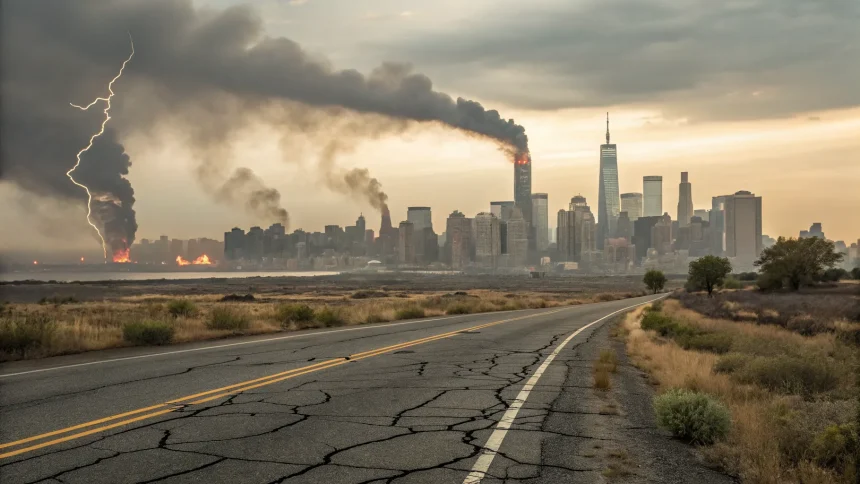
As record heat, costly disasters, and insurance strains converge across continents, experts say the trend line is hard to ignore and harder to manage. In briefings this summer, researchers and officials warned that hotter temperatures, rising losses, and stressed infrastructure are reshaping daily life in cities and towns.
“The result is increasingly unsettling.”
The statement captures a mood shared across emergency operations centers, hospital wards, and school districts. It reflects a year when heat waves lingered longer, wildfire smoke drifted farther, and homeowners faced higher premiums or fewer coverage options. The core concern is clear: the costs of climate-linked extremes are growing faster than budgets and plans can adapt.
Why the alarm is growing
Global datasets show the planet has set multiple temperature records since early 2023. Many regions also reported longer heat seasons and warmer nights, which increase health risks. National climate reports have tracked more frequent billion-dollar disasters, from severe storms to floods.
Disaster losses are rising in insurance filings as well. Swiss Re said insured losses from natural catastrophes topped $100 billion worldwide again in 2023, marking another year of heavy payouts. Public funds are strained too, as local governments cover repairs to roads, water systems, and schools after storms or fires.
On the ground: health, housing, and schools
Emergency physicians describe busier heat-related triage during prolonged hot spells. Outdoor workers face more noontime stoppages. Families in older apartments without air conditioning see higher medical calls for dehydration and heat exhaustion.
Housing markets are feeling pressure. In parts of the United States, several major insurers have reduced new policies in areas with high wildfire or hurricane risk. That leaves homeowners searching for costlier coverage or state-backed plans. Renters, meanwhile, absorb rising utility bills during longer cooling seasons.
School districts are reworking calendars and investing in cooling for aging buildings. Coaches are shifting practice times. District leaders say hotter classrooms set back learning and widen gaps for students without safe places to cool off after school.
Officials weigh short-term fixes and long-term bets
City managers and utility leaders now treat extreme heat as a core service issue, much like snow removal or water quality. The focus is on reducing peak demand, keeping workers safe, and protecting the grid.
- Planting trees and installing cool roofs to reduce urban heat.
- Expanding cooling centers and transit access during heat alerts.
- Upgrading substations and transformers to handle higher summer loads.
- Improving flood controls and drainage to handle intense downpours.
- Strengthening building codes for wind, fire, and heat.
Several cities are testing targeted heat action plans for high-risk neighborhoods. These combine shade, hydration stations, outreach, and air quality alerts. Public health teams track hospital admissions to adjust services in real time.
Economy and insurance: the pricing of risk
As disasters strike more often, the cost to insure homes and businesses rises. Reinsurers pass those costs along, which can price some communities out of private coverage. Economists warn that insurance gaps can slow recovery and reduce local investment.
Some states are exploring risk-based pricing tied to mitigation. Discounts for defensible space, hardened roofs, and flood-proofing are gaining ground. Yet consumer groups push for transparency and protections for low-income households that cannot afford upgrades without help.
Signals to watch in the months ahead
Meteorologists are monitoring ocean temperatures and soil moisture that shape seasonal forecasts. Power utilities are modeling worst-case demand on hot nights when wind drops. School and health leaders are planning for late-summer surges in heat and smoke.
Researchers caution that adaptation will not be one-size-fits-all. Rural counties, coastal towns, and inland cities face different threats. The common thread is the need for plans that match local conditions and budgets.
For now, the warning stands. The trend in heat, disasters, and costs paints a stark picture of risk moving faster than preparation. The near-term test is whether cities can deploy proven steps—cool roofs, shade, backup power, stronger codes—before the next long heat spell or violent storm. The longer-term test is whether governments, insurers, and communities can share costs in a way that keeps homes insurable, schools open, and workers safe. As one analyst said, the growing tally is hard to ignore, and the next season will reveal who is ready.