

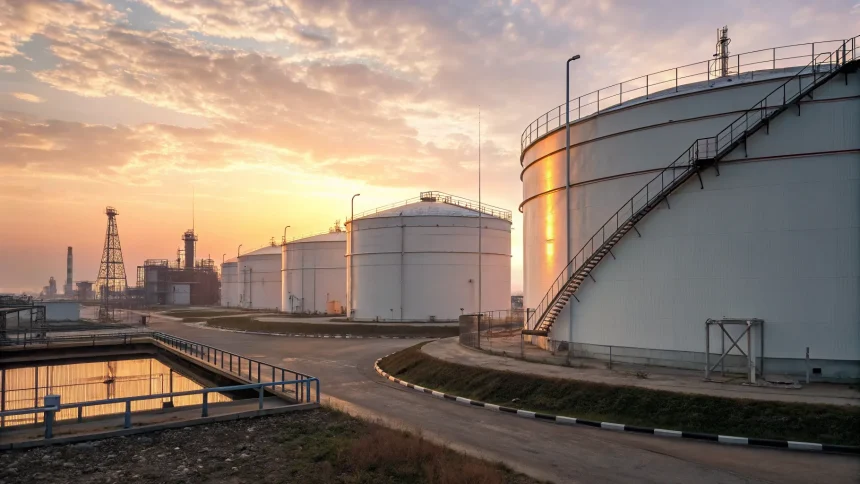
The nation’s emergency oil stockpile has fallen to its lowest point in more than four decades, as the White House accelerates releases to blunt energy shocks from the war with Iran. The drawdown, underway this week in the United States, is aimed at limiting damage to the economy and consumers by adding supply to tight markets. The move highlights a trade-off between short-term price relief and long-term energy security.
The amount of oil in the US Strategic Petroleum Reserve plunged last week to the lowest level since 1983 as the Trump administration continues to deploy emergency oil to minimize the damage from the war with Iran.
What changed and why it matters
Emergency barrels are flowing into the market to cushion price spikes and supply risks tied to conflict in the Middle East. More barrels in circulation can ease gasoline and diesel costs for households and businesses. But a thinner reserve reduces the nation’s cushion against hurricanes, cyberattacks, or fresh geopolitical shocks.
Energy officials argue that measured releases can stabilize prices during supply threats. Critics warn that draining the stockpile too far leaves the country exposed if disruptions worsen or last longer than expected.
How the reserve works
The Strategic Petroleum Reserve (SPR) was created after the 1970s oil embargo to protect against severe supply interruptions. Crude is stored in underground salt caverns along the Gulf Coast. The stockpile can be drawn down quickly through sales or exchanges to refiners and traders.
Historically, presidents ordered SPR releases during wars, major outages, and hurricanes. Past drawdowns helped replace lost imports, eased refinery outages, and calmed panicked markets. Inventories have fluctuated with sales mandated by Congress and emergency actions by administrations from both parties.
Price relief versus preparedness
Using the SPR can cut the risk of a sudden surge in fuel prices. That offers breathing room to families, truckers, and manufacturers. It may also signal to traders that panic buying is not warranted, which can lower volatility.
Yet reduced stocks shrink the buffer against new emergencies. If the conflict widens or lasts, refilling becomes harder and costlier. A smaller reserve can also limit Washington’s ability to coordinate with allies on joint releases that steady global supply.
- Short-term gain: Added supply can ease pump prices and calm markets.
- Long-term risk: A thinner reserve weakens response options to future shocks.
Supporters and skeptics
Supporters say the releases are a practical tool to protect consumers while avoiding rationing or broader economic pain. They point to the SPR’s purpose: acting as an insurance policy during disruptions. They also note that releasing crude can buy time for producers and refiners to adjust.
Skeptics caution that the reserve should not be treated as a routine price lever. They argue that sustained drawdowns can strain national security planning, especially if hurricane season or infrastructure threats hit when inventories are low. Some energy analysts call for transparent triggers that govern when releases start and stop.
What to watch next
Markets will look for signals on how much more oil could be released and under what conditions. A clear plan to replenish stocks—timing, price targets, and purchase methods—could reassure both consumers and security planners. Coordination with allies, if pursued, may amplify the effect of releases while sharing risk.
Refill strategy will also shape costs. Buying back crude when prices are lower stretches federal dollars further. Contracts that phase purchases over time can reduce the risk of overpaying and help rebuild the cushion steadily.
The balance is delicate: protect consumers now without sacrificing readiness later. A defined release framework and a credible replenishment schedule would help manage both aims. For households and businesses, the near-term effect may be modest relief at the pump. For policymakers, the test is whether short-term action leaves enough protection for the next shock.