

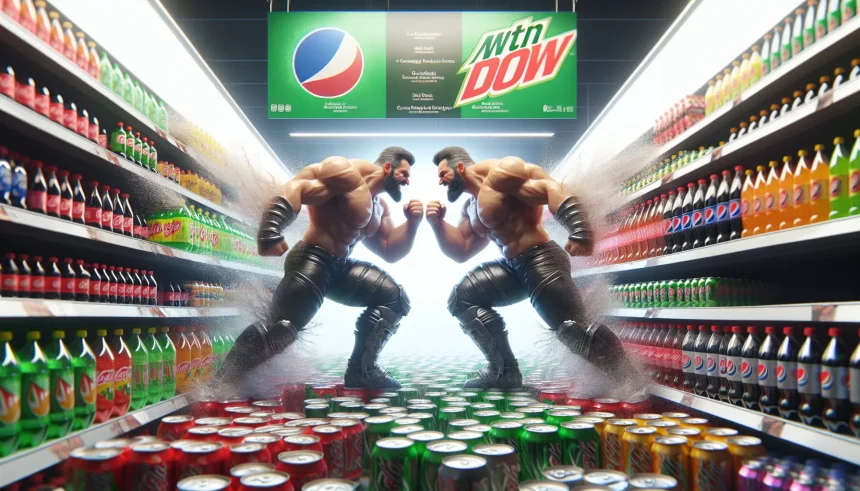
PepsiCo, long defined by both soda and snacks, is edging closer to Coca‑Cola’s playbook in how it sells, packages, and promotes soft drinks. The shift is showing up in product mix, pricing, and partnerships across major markets as both companies chase higher margins and healthier‑leaning demand. The changes come as shoppers seek less sugar, smaller portions, and stronger brands at the same time retailers push for sharper value.
“The maker of the world’s second-favourite fizzy drink is becoming more like its rival.”
At stake is control of the next phase of the cola rivalry, from zero‑sugar colas to premium packaging. The moves could affect prices on store shelves and what flavors end up in coolers worldwide.
Background: Two soda giants, two different models
Coca‑Cola is a pure beverages company that mainly focuses on brand building and relies on independent bottlers for production and distribution. PepsiCo sells drinks but also dominates salty snacks, giving it a different source of growth and cash flow.
For years, those structures drove distinct strategies. Coke focused on marketing, smaller packages, and a wide set of drink categories. PepsiCo leaned on its snack engine and ran a broader in‑house approach in some markets. Now, their tactics are converging as consumer habits change.
- Zero‑sugar formulas are growing faster than regular colas in many markets.
- Smaller cans and multi‑pack formats help lift revenue per unit.
- Energy drinks and flavored seltzers pull in younger buyers.
Strategy shift: From portion size to product mix
PepsiCo has increased emphasis on zero‑sugar cola, redesigned branding, and premium cans. Coca‑Cola pushed these levers earlier and showed they can raise revenue without adding more volume. PepsiCo appears to be following that path more closely.
Another change is in partnerships for fast‑growing drinks. Coca‑Cola’s tie‑ups in energy and performance beverages helped it tap demand without building new brands from scratch. PepsiCo is pursuing similar routes to reach gym‑goers and convenience‑store shoppers, while also refreshing legacy lines.
Price architecture is shifting too. Both companies are using pack sizes and bundles to protect margins while giving shoppers entry points at lower absolute prices. That approach has been a hallmark of Coke’s strategy and is now more visible in PepsiCo’s beverage shelves.
Retail pressure and health rules reshape shelves
Grocers want strong brands that move quickly, and regulators keep pushing for less sugar. That combination favors clear labels, zero‑sugar options, and lighter formulations. Coca‑Cola leaned into those trends with global ad campaigns and sponsorships. PepsiCo is matching that pace with its own global pushes and reformulations.
In many countries, sugar taxes changed the math. Companies that shift sales to zero‑sugar formulas can avoid extra costs and keep prices steady. The approach lines up with how Coke managed price mix in recent years, and PepsiCo is aligning more of its beverage strategy with that logic.
What it means for consumers and competitors
Shoppers can expect more zero‑sugar and flavored spins of core colas, more mini cans, and steadier prices on multi‑packs. The gains may come with fewer deep discounts on large bottles, though deals will not disappear.
For rivals, the squeeze is getting tighter. Smaller beverage brands face tougher shelf space battles against two giants running similar tactics. Convenience stores may see more space given to energy and performance drinks, where both companies see growth.
Signals to watch next
- Marketing spend on zero‑sugar colas versus regular colas.
- New distribution pacts in energy and performance drinks.
- Expansion of mini‑can and sleek‑can formats in emerging markets.
- Any moves that separate or simplify bottling and logistics to mirror asset‑light models.
The cola battle is shifting from volume to value. By leaning into zero‑sugar lines, premium packaging, and selective partnerships, PepsiCo is moving closer to Coca‑Cola’s formula for higher returns. The outcome will be felt in cooler doors and retail promotions over the next year. Expect more small cans, more sugar‑free labels, and tighter pricing strategies as both companies try to win the next round of the cola wars.