

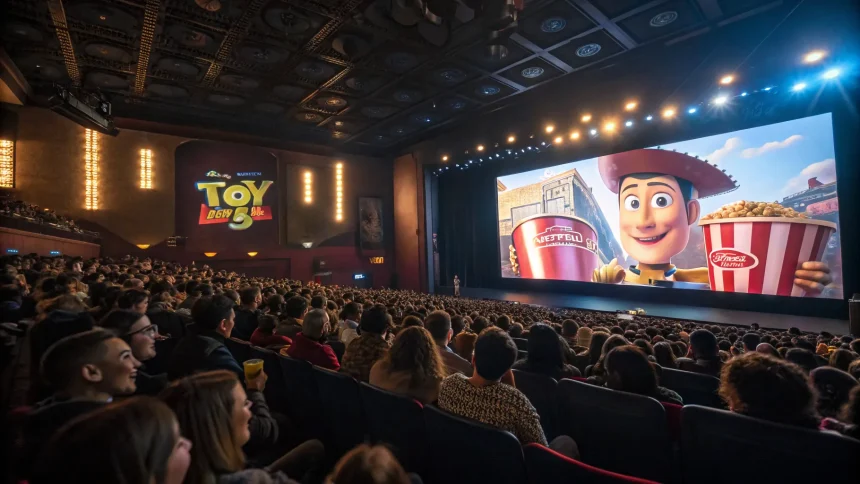
A familiar brand just delivered the year’s biggest opening, and it did so by winning back a crowd many believed was gone. “Toy Story 5” premiered to $160 million, the largest debut of 2026 so far, driven by an audience long dismissed as unlikely to return in force.
“Toy Story 5” opened to $160 million, making it the biggest debut of 2026.
The audience driving its success is the one everyone wrote off.
The result lands at a key moment for theaters and studios. Animated sequels have faced questions about fatigue, while families and young adults shifted viewing habits to streaming. This opening challenges those assumptions and resets the stakes for summer releases.
Who showed up and why it matters
The turnout points to a mix of families with children, teens, and Millennials who grew up with the series. The numbers suggest a broad four-quadrant appeal. That blend is rare in a crowded release calendar and even rarer for a fifth entry in a franchise.
Parents may have sought a trusted title for a shared night out. Older fans likely chased nostalgia. Younger kids met the brand on streaming and then came to the theater for the event. The result was a larger base than expected.
- Large opening signals strong repeat business potential.
- Weekday holds will reveal if families keep coming.
- Merchandise and school holiday timing could extend the run.
A franchise with staying power
“Toy Story” has spanned generations. Earlier entries set box office marks and won awards for storytelling. The new debut suggests the franchise still commands trust. It also shows that character-driven animation can cut through noise when audiences feel the story is worth a trip.
Franchises often fade by a fifth film. This one bucks that trend. Strong brand equity, familiar characters, and cross-generational appeal likely lifted turnout. That gives studios a reminder: quality and emotional payoff remain the best marketing assets.
The streaming question studios must face
For years, analysts said families had grown used to watching from home. Some argued that high ticket prices and rigid schedules kept them away. This weekend challenges that view. A must-see title brought families back despite those hurdles.
It does not mean streaming is weak. It means audiences weigh value. A film that promises shared laughs, spectacle, and a cultural moment can justify the cost of a night out. Future family releases may need clearer theatrical value, not just recognizable brands.
Industry impact: what changes now
Studios will study release timing, premium formats, and school calendars. Marketing that leans on nostalgia and first-weekend events appears to have worked. Exhibitors may add more family-friendly showtimes and promotions to capture repeat visits.
Theaters could see a lift in concession sales and loyalty sign-ups. Retailers may benefit from a merchandise wave if the film holds. Competitors with animated titles on the schedule will gauge how much audience is left and whether counterprogramming makes sense.
What to watch next
Two data points will shape the story from here. First, the second-week drop. A modest decline would signal strong word of mouth. Second, weekday matinees. Healthy attendance there would confirm durable family interest.
International rollout will add another layer. Family animation often travels well, but local school breaks and dubbing timelines can shift results. Tie-ins with streaming later in the year could also extend the film’s cultural reach.
Takeaways for decision-makers
The debut suggests a clear playbook. Build trust with character-led stories. Time releases to real-world schedules. Make theaters feel like the best seat, not just the first window.
- Invest in scripts that deliver emotional payoff.
- Market across generations with tailored messages.
- Use early fan screenings and community events to spark momentum.
The headline is simple and surprising. A much-discussed audience returned for a theatrical event when given a reason. If that pattern holds, 2026 could mark a rebound for family releases. The next few weekends will tell whether this is a single surge or the start of a steadier run back to the big screen.