

With investors weighing another potential move from the Federal Reserve, Natixis chief U.S. economist Chris Hodge outlined how oil-driven inflation, bond yields, and consumer resilience are shaping the outlook during an appearance on The Claman Countdown. His remarks zeroed in on the odds of a rate hike, the health of spending, and the market’s waning risk appetite as energy costs rise.
The discussion comes as traders parse inflation readings and labor data for clues on policy. It also lands at a moment when gasoline prices have become a swing factor for both headline inflation and household budgets, raising questions about the strength of demand into the next quarter.
Market sentiment: Cautious, with eyes on energy and yields
Hodge described a market that is sensitive to small shifts in inflation expectations. Higher oil prices have lifted headline readings, which can feed into interest rate fears. That has pushed some investors to the sidelines and increased day-to-day volatility.
Equity gains have narrowed to fewer sectors when energy rises. Meanwhile, higher long-term yields can pressure valuations and tighten financial conditions even without a new policy move from the Fed.
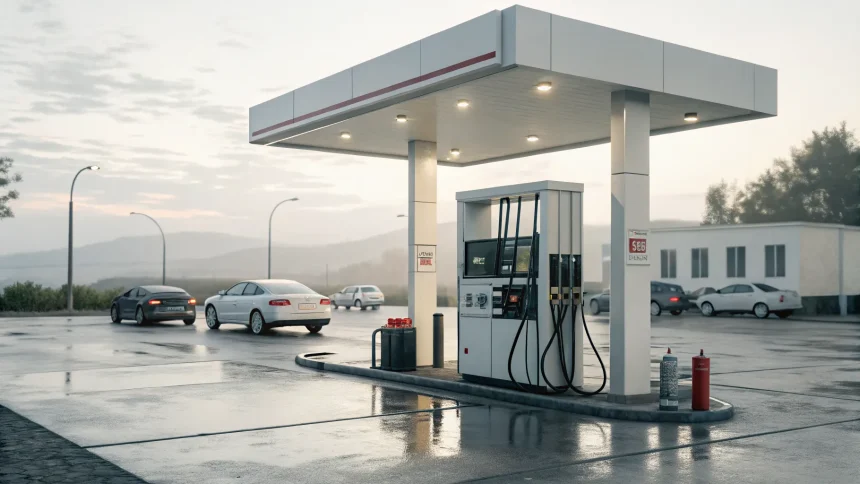
“Prices at the pump still set the tone.”
The link between gasoline prices and consumer mood remains tight. When fuel costs rise, surveys often show confidence slipping, and discretionary purchases can slow.
Will the Fed hike again? Three paths on the table
Hodge laid out a simple map for policy: hold, hike, or signal a later move if inflation proves sticky. He emphasized that the Fed’s choice depends on how much of the recent inflation is driven by energy and whether it spreads.
- Hold: If core inflation eases and wage growth cools, a pause remains likely.
- Conditional hike: A fresh move could come if energy costs lift broader prices for long enough to keep inflation above target.
- Guidance shift: Even without a hike, firmer guidance can tighten conditions through higher yields and a stronger dollar.
He noted that the Fed tends to focus on core measures over time, but a long run of higher fuel and transport costs can bleed into core categories like goods shipping and airfares. That is what keeps rate options open.
Oil-driven inflation and the consumer wallet
The biggest near-term risk, Hodge said, is that higher energy costs act as a drag on household cash flow. Gasoline, heating, and diesel feed through to delivery costs and food prices, which hit lower- and middle-income families hardest.
“Oil often works like a tax on consumers, slowing discretionary spending.”
History backs up that point. Past oil spikes have weakened spending on travel, dining, and big-ticket items. Retailers then face a tougher mix: stable necessities but softer demand for optional goods, compressing margins.
He also pointed to uneven effects across regions. Areas where driving is essential feel price shocks more than dense cities with public transit. Small firms with thin margins can face higher freight bills that are hard to pass through.
Signals to track next
Hodge highlighted a few indicators that matter for both markets and policy makers in the coming weeks.
- Core inflation trends: Do shelter and services cool even if fuel rises?
- Wage growth: Are gains slowing enough to ease pressure on services prices?
- Consumer spending mix: Are households shifting from goods to services, or pulling back overall?
- Financial conditions: Do higher yields and a firmer dollar tighten credit before any policy change?
He added that durable-goods orders and freight rates can give early clues on whether fuel costs are lifting supply-chain expenses again.
What it means for investors and households
For investors, Hodge framed the trade-off as one of timing. If energy pressure proves short-lived, a steady policy path may support risk assets. If it lingers, higher-for-longer rates and slower growth could favor quality balance sheets, steady cash flows, and select energy exposure.
For households, the advice is clear: watch fuel costs and adjust budgets. Even small changes in commuting and travel can offset higher prices at the pump. Paying down variable-rate debt can also soften the hit if borrowing costs stay elevated.
Hodge’s bottom line is straightforward: the Fed is data dependent, and energy is the swing factor. If oil fades, rate risks ease. If it holds high, the case for tighter conditions grows. The next few inflation prints, paired with wage data and spending reports, will decide which path wins out.