

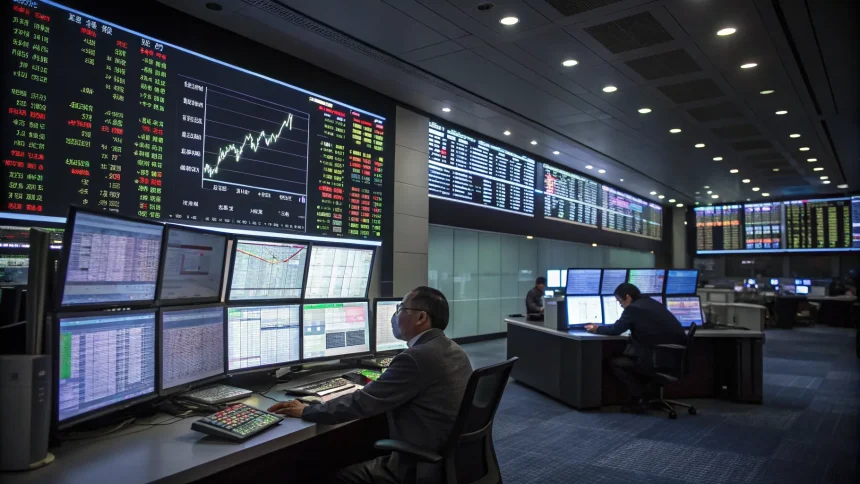
Large moves in premarket trading signaled a choppy start to the day as investors reacted to fresh headlines before the opening bell. Traders watched for clues on earnings, economic data, and company news that could set the tone for the session. The action came in the thin hours before 9:30 a.m. Eastern, when fewer orders can lead to sharper price swings.
Why Premarket Moves Matter
Premarket trading lets investors react to news outside regular hours. It runs from about 4 a.m. to 9:30 a.m. Eastern on major U.S. exchanges. Liquidity is lower, and spreads can widen. That makes prices more sensitive to new information.
Sharp early moves often hint at how a stock may open. They also help set index futures and sector tone. Still, the first hour of the regular session can reverse those moves as volume returns and more investors step in.
Common Triggers For Big Swings
Several recurring catalysts drive outsized premarket moves. They cluster around scheduled events and surprise headlines.
- Earnings and guidance updates released before the bell
- Overnight mergers, deals, or activist campaigns
- Regulatory actions or court rulings
- Economic reports, such as inflation or jobs data
- Analyst upgrades, downgrades, or price target changes
- Commodity price shocks that affect energy or materials names
- Short-interest squeezes following unexpected news
Earnings can be the most powerful driver. A surprise beat or miss, paired with a change in guidance, often resets expectations. Analyst notes can then amplify those moves, especially when liquidity is thin.
Reading The Tape: What Pros Watch
Institutional traders focus on a few key signals in early trade. They track price moves alongside traded volume to gauge conviction. A large move on light volume is less persuasive than a similar move on heavy prints.
They also watch the depth of the order book. A wide bid-ask spread or a shallow book can exaggerate price changes. Options activity, such as rising implied volatility or skew, can hint at how the market is hedging new risk.
Impact On The Opening Bell
When premarket moves are broad, sector ETFs can gap at the open. Market makers then re-price holdings, which can create brief dislocations. This process often settles within the first 30 to 60 minutes as orders get matched.
Investors should prepare for gap risk. A stop order may not fill at an expected price if a stock opens far from its prior close. Limit orders help control entry points but may not execute.
Risks For Individual Investors
Premarket trading carries extra risk. Prices can overshoot because there are fewer counterparties. News can evolve quickly, changing the story by the open.
Practical steps can help manage risk:
- Use limit orders rather than market orders
- Check multiple sources to confirm breaking news
- Watch volume and spreads before placing trades
- Size positions smaller in thin conditions
What To Watch Next
The next wave of company results and economic releases will guide early action. Inflation readings, retail sales, and central bank comments often steer sentiment. So do premarket press releases on guidance or executive changes.
Large early movers can set the day’s narrative, but follow-through depends on fresh volume after the bell. If buying or selling broadens across sectors, the move can persist. If not, first-hour reversals are common.
“These are the stocks posting the largest moves premarket.”
The line captures the mood on mornings when headlines pile up and liquidity is scarce. The takeaway is simple. Early moves offer signals, not certainties. Traders who pair those signals with volume, spreads, and confirmed news stand a better chance of avoiding whipsaws.
For long-term investors, sharp premarket gaps can create entry or exit points. Patience and planning matter. Waiting for the open, or even the first hour, can provide cleaner prices and fuller information. As earnings season and data cycles roll on, watch for how early moves align with fundamentals. That gap between story and price often closes fast once the broader market joins the trade.