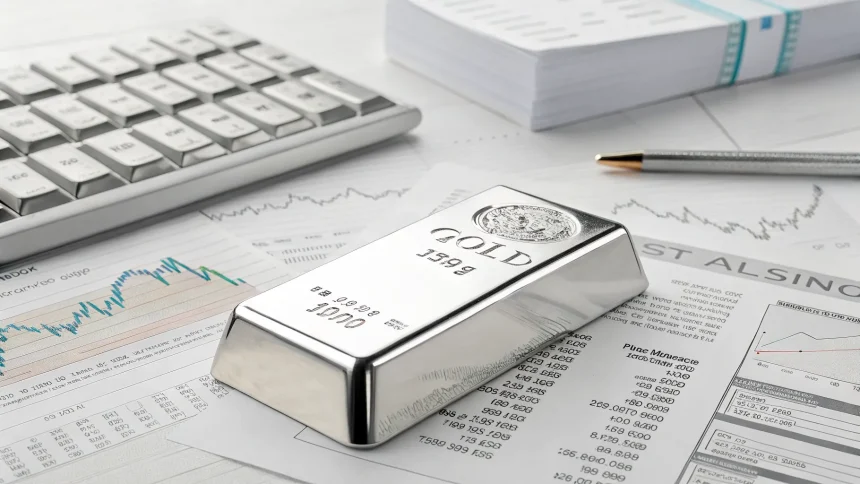
As prices climb and budgets tighten, investors are revisiting old hedges and new tactics to protect their savings. Many are weighing precious metals—especially platinum—as part of a defensive plan against persistent inflation. The debate now centers on how much to allocate, what vehicles to use, and the trade-offs that come with metals in a mixed market.
If you’re worried about increased inflation, adding precious metals like platinum to your portfolio can be a smart choice.
Inflation fears are reshaping portfolios
Inflation has a way of changing behavior. When everyday costs rise, investors tend to reduce risk in some areas and add protection in others. Historically, gold has been the first stop. Platinum, while less common in retail portfolios, is drawing more attention because it brings both metal scarcity and industrial demand to the table.
Unlike gold, which is driven more by sentiment and currency moves, platinum prices are tied in part to manufacturing trends. The metal is used in automotive catalysts and other industrial processes. That link can be a strength when growth is stable, but it can also add volatility when the economy cools.
Why platinum is part hedge, part cyclical bet
Supporters point to platinum’s limited supply and its role as an alternative store of value. They argue it can help spread risk across different drivers than stocks or bonds. In periods when inflation erodes bond income and pressures equity valuations, a small metal sleeve may buffer losses.
Critics warn that platinum can swing more than gold. Industrial slowdowns, changes in emissions rules, or shifts in technology can weigh on demand. That means timing and position sizing matter. Long-term investors often prefer a measured, rules-based approach rather than a quick reaction to headlines.
How to gain exposure without overreaching
There are several ways to add metals exposure. Physical bars and coins provide direct ownership but bring storage and insurance costs. Exchange-traded funds and notes offer ease of trading and custody, though they add management fees and market tracking risk. Mining equities can magnify moves in the underlying metal and come with company-specific risks like costs, debt, and labor issues.
- Set a clear target range for metals allocation, often a small slice of the portfolio.
- Choose vehicles that match your time horizon and liquidity needs.
- Rebalance on a schedule to avoid chasing price spikes.
- Track total costs, including fund fees, spreads, and storage.
Balancing metals with other inflation tools
Platinum is only one lever. Treasury Inflation-Protected Securities adjust principal with the Consumer Price Index, creating a direct link to reported inflation. Short-term bonds and cash-like instruments benefit when interest rates are high, helping offset price increases with yield. Commodities funds offer broader exposure to energy, agriculture, and metals, though they can be complex and tax-heavy.
Advisers often recommend blending approaches. A small metals position can complement TIPS for measured inflation coverage, while cash and short-duration bonds add flexibility. The goal is not a perfect hedge, but a mix that steadies the ride without sacrificing long-term growth.
What to watch next
Several forces will shape the case for platinum in the months ahead. Inflation reports will influence rate expectations and the dollar, both key for metals pricing. Industrial data—especially auto production trends—will affect demand. Supply dynamics from major producing countries can also move prices quickly.
Investors who act now are focusing on process. They are building allocations slowly, using a dollar-cost averaging plan to smooth entry points. They are checking how a metals sleeve changes overall risk and making sure it aligns with their goals, not just with the news cycle.
The message is clear: inflation protection works best as part of a plan. Platinum can play a role, but it should sit alongside other tools that balance income, liquidity, and growth. For households watching their costs rise, that measured approach may offer the steadier path through an uncertain price environment.