

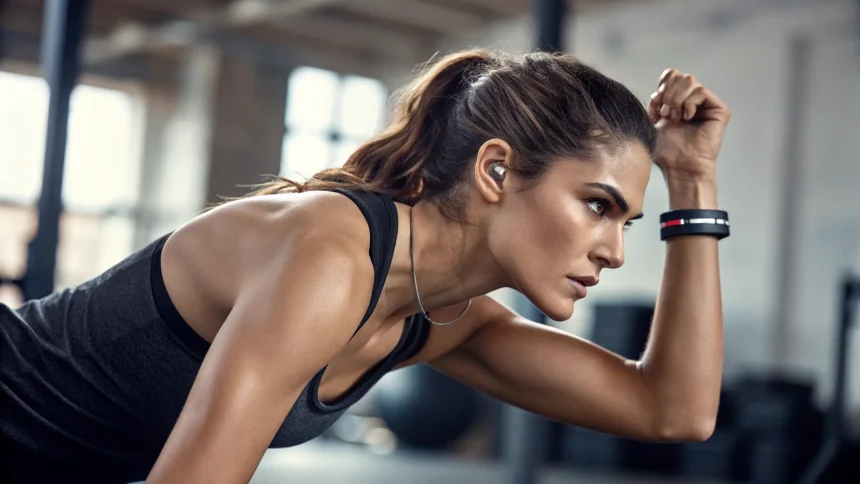
Bala Bangles co-founder and CEO Natalie Holloway says the company grew from a $5,000 idea to nationwide shelves after a $900,000 investment from a television pitch. The journey highlights how a recognizable product, smart branding, and tight operations can convert media moments into lasting sales.
Holloway, who launched the stylish wrist-and-ankle weights with her co-founder, turned a simple update on a classic workout tool into a consumer hit. The funding deal provided cash and connections, while demand for at-home fitness accelerated the brand’s rise across e-commerce and retail.
From studio idea to national shelves
Bala began as a response to plain, bulky fitness weights. The founders wanted something users would keep on during yoga, Pilates, and walks. The product’s soft materials, bold colors, and low profile set it apart from gym gear that often looked utilitarian.
Early sales came through online channels and boutique studios. A televised pitch and the resulting $900,000 deal vaulted the brand into mass visibility. Distribution expanded, and repeat purchases followed as customers added pairs and colors to their routines.
“Turning a $5,000 startup into a national sensation” after a “$900K deal on ‘Shark Tank.’”
Why the deal mattered
The investment helped Bala scale production and keep inventory in stock during spikes in demand. It also opened doors with national retailers that often require proof of supply reliability and strong sell-through.
- Capital allowed faster manufacturing runs and better forecasting.
- Investor networks aided retail introductions and promotions.
- Media exposure drove direct-to-consumer traffic and social proof.
These steps reduced common growing pains, from backorders to inconsistent packaging. It also let the team test new colorways and weights without risking stockouts of core items.
The at-home fitness surge
Interest in home workouts climbed in recent years, with many consumers seeking short sessions and minimal gear. Light resistance tools fit that demand. Bala’s design-forward pitch made functional accessories feel like lifestyle items, not just equipment.
Trainers often recommend small increments of resistance for walking, barre, and mobility work. The product slots into that guidance, serving beginners while giving advanced users a finisher to raise intensity. Social media clips of quick routines helped spread the format.
Retail and brand strategy
Holloway’s approach focused on design cohesion and simple messaging. Packaging matched the product’s look, and the brand’s site showed real people using the weights in daily life. This consistency made the item giftable and shelf-ready.
Retail buyers look for proof that a product will move without extensive education. Bala’s form factor is familiar, and the bright aesthetic invites trial. Clear labeling on weight and use cases reduces hesitation at the point of sale.
What the investment signals for founders
The $900,000 deal shows that investors still back consumer fitness if founders can show traction and a repeatable plan. Media moments can spark awareness, but retention comes from product quality and supply chain discipline.
Founders eyeing retail can learn from Bala’s playbook: lock down core SKUs, maintain color consistency, and forecast seasonally. Campaigns should feature simple routines and clear benefits, like adding light resistance to walks or stretches.
What to watch next
As wellness spending shifts, accessory makers face pressure to prove daily use. Bala could expand into complementary items or weights at different increments while guarding against overextension. Limited releases tied to seasons or partners may keep demand steady.
For investors, the case suggests that well-branded basics with clear use cases can scale faster than niche gadgets. For retailers, stylish functional gear may continue to outperform bulky equipment that takes space and requires instruction.
Holloway’s headline-grabbing milestone points to a simple lesson. Funding and attention can open doors, but consistent execution keeps them open.