

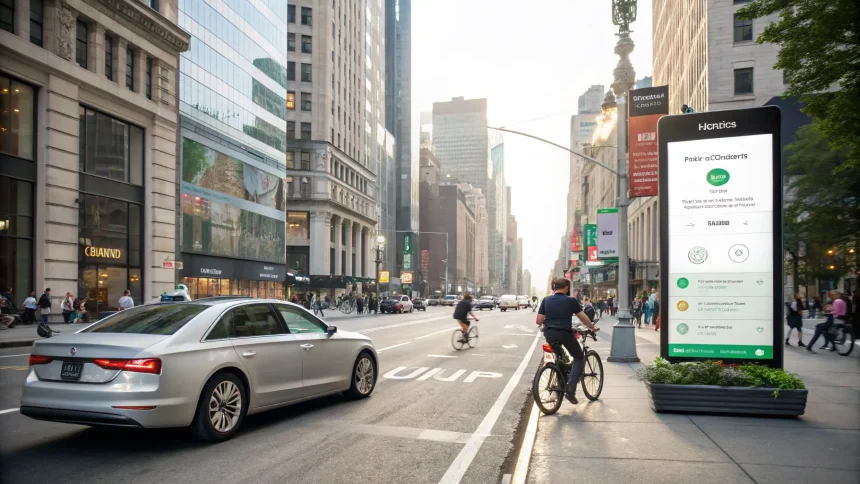
A leading rideshare company is pushing into new services, aiming to keep users inside one app for daily needs. The move signals a bid to build an “everything app,” where rides, deliveries, payments, and bookings live in one place. The strategy could reshape how people move, spend, and earn in cities.
“It’s the rideshare app’s latest effort to become an everything app.”
The push comes as mobility companies search for growth and loyalty after years of tight margins. It also follows models in Asia, where super apps bundle transport, food, shopping, and finance. The question now is whether riders, drivers, and small businesses will benefit—or face new trade-offs.
What an “everything app” means
An everything app combines key services under one login. Users can order a car, get food or parcels delivered, pay bills, and book travel. The goal is to raise engagement and reduce the need to jump between apps. For the company, it can lower marketing costs and lift revenue per user.
Super apps are common in parts of Southeast Asia. Companies there built on motorbike taxis and food delivery, then added payments and shopping. Western markets have seen a slower shift, with mobility firms adding groceries, prescriptions, and transit tickets inside their apps.
Why the company is expanding now
Rideshare demand has recovered unevenly since the pandemic. Delivery growth cooled as people returned to stores and offices. Bundling services is a way to smooth these swings. It can also build loyalty through memberships that mix ride discounts, free deliveries, and cash-back rewards.
Another push is data. More services create more signals about where and when people travel and spend. That can improve route planning and pricing. It can also open new ads business lines, though users may worry about privacy and tracking.
What riders could gain—and risk
For riders, the appeal is speed and simplicity. One app for errands can save time. Bundled perks may cut costs for frequent users. A single wallet can make payments faster at checkout and in transit systems.
- Pros: fewer apps, package perks, faster payments.
- Cons: lock-in, data sharing concerns, fewer choices.
Lock-in is a real issue. Deals can be hard to match once habits form. If prices rise later, users may feel stuck. Transparency on fees and privacy settings will shape trust.
Drivers and couriers face mixed outcomes
More services can mean steadier demand. Drivers might fill gaps in slow ride hours with deliveries. Some apps already let workers switch between ride and courier modes.
The flip side is complexity and pay. Multi-service models can bring shorter trips and more waiting. Clear pay rates and the ability to see trip details up front remain key concerns. Worker groups will likely press for portable benefits and dispute support as the app expands.
Small businesses and local services
Local stores could gain new customers through the app’s marketplace. Promotions can help clear inventory and reach nearby buyers. But commissions and paid placement may squeeze margins. Fair ranking rules and flexible fee options will matter for restaurants and shops.
Competition and rules
The everything app push will draw attention from regulators. Tying rides, delivery, and payments inside one platform can raise questions on competition and data use. Consumer groups often call for clear consent on cross-service tracking and simple ways to opt out.
Transit agencies and city leaders may see openings for integration. Real-time bus and train tickets inside one app can help commuters. Public-private pilots could expand if terms protect data and keep fares fair.
What to watch next
The rollout sequence will tell the story. Expect pilots in select cities, then a staged launch of services like grocery, pharmacy, parcel returns, and event tickets. A subscription plan that ties them together is likely.
Key signals to track:
- Membership uptake and churn rates.
- Driver earnings per hour across ride and delivery.
- Merchant fees and placement options.
- Privacy controls and default data settings.
- City partnerships and transit integration.
The race to become an everything app could reshape urban life, from commutes to commerce. Success will depend on trust, clear pricing, and real value on both sides of the marketplace. For users, the best move is cautious trial: test the bundles, watch the fees, and keep your options open.