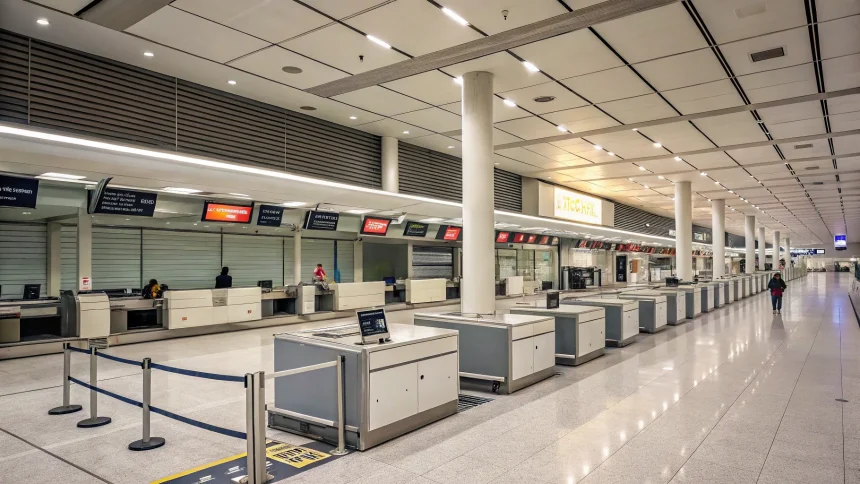
A sharp slowdown in travel demand and tougher economic conditions have squeezed earnings, with management reporting a 15 percent drop in net profit in the latest reporting period. The company said the downturn reflects weaker tourist traffic and broader headwinds across key markets, adding urgency to cost controls and plans to protect margins.
Management Flags Demand Weakness
Executives linked the earnings decline to softer arrivals and pressures from inflation, currency swings, and higher borrowing costs. In a statement, management said the core issue was a pullback in visitor volumes that diluted pricing power and lifted unit costs.
“A tourism slowdown and macroeconomic challenges were highlighted by management, as net profits fell 15 percent in the period.”
The company did not provide detailed regional breakdowns but indicated that several source markets underperformed expectations. That has implications for occupancy, ticket sales, and discretionary spending across its properties and services.
Background: A Recovery Losing Steam
Global travel has been recovering unevenly after pandemic-era disruptions. While many destinations saw strong demand last year, inflation and higher airfares have weighed on some households. Visa processing delays and changing travel rules in certain countries have also cooled momentum at times. Industry analysts note that travel patterns remain sensitive to exchange rate moves and headline risks, which can quickly shift bookings.
The company’s latest figures suggest that the post-pandemic rebound may be normalizing, with fewer last-minute trips and more price sensitivity. That trend can compress margins when fixed costs remain high.
What Is Pressuring Results
Management pointed to a mix of cyclical and operational factors. The most significant were weaker tourism flows and a slower spending pace among international visitors. Foreign exchange volatility also hurt translated revenue and raised input costs for imported goods and services.
- Lower arrivals reduced occupancy and footfall.
- Inflation and rate hikes raised operating expenses and financing costs.
- Currency moves affected pricing and demand in key markets.
These pressures tend to compound. When visitor numbers decline, companies often spend more on marketing to fill capacity, while still facing higher utility and labor costs.
Industry Impact and Peer Read-Through
The update will be watched across the travel and hospitality sector. Hotels, attractions, and retailers that rely on tourists face similar forces. If cost inflation remains sticky, companies may try to pass through price increases, but that strategy can backfire if travelers are budget-conscious.
Competitors with stronger loyalty programs or diversified revenue streams may be better positioned. Asset-light operators with variable cost bases could also adjust more quickly. Meanwhile, firms with heavy debt may feel more pressure as interest expenses rise.
How the Company Is Responding
Management signaled tighter expense controls and a focus on efficiency. Initiatives include streamlining procurement, optimizing staffing around demand peaks, and shifting marketing spend to markets with healthier booking trends. The company is also evaluating promotions aimed at domestic travelers to offset weaker international flows.
Executives said they would prioritize projects with faster payback and delay nonessential capital expenditures. That approach could protect cash flow while preserving flexibility if demand improves later in the year.
Outlook: Cautious but Opportunistic
The near-term outlook remains uncertain, given mixed booking curves and economic signals. If inflation eases and air capacity improves, demand could stabilize in late periods. However, risks include persistent cost pressures and uneven recovery across regions.
Analysts will look for signs of stabilization in forward bookings, pricing discipline, and the success of cost measures. Any improvement in visa processing and airline schedules could support a gradual rebound.
The company’s disclosure points to a tougher trading environment, but also to pragmatic steps to navigate it. The key test in the months ahead will be balancing yield management with affordability, while protecting service quality. Investors and customers alike will watch for steadier travel flows, clearer pricing, and disciplined spending before confidence fully returns.