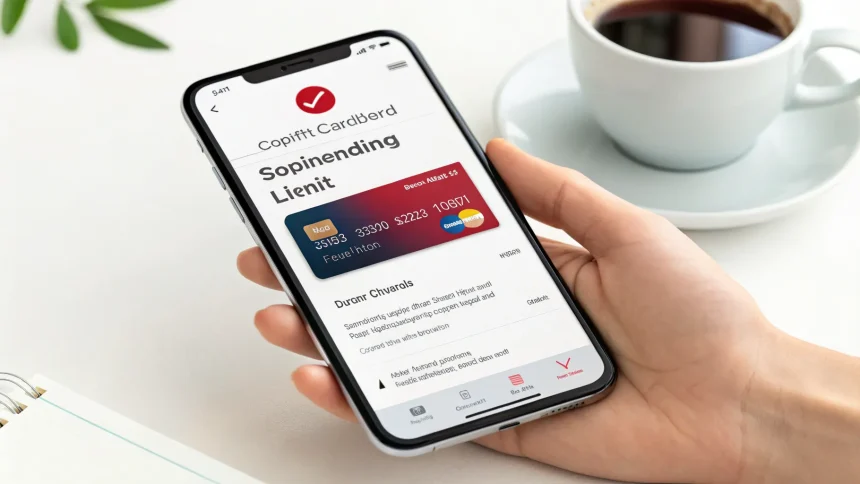
A simple change inside a credit-card app is gaining attention among consumer advocates: spending notifications. The feature can warn cardholders before they get too close to their limit, helping protect credit scores and reduce the risk of runaway debt.
The advice is timely as card balances and interest costs remain high. Many major card issuers now push instant alerts on each purchase or when spending hits a preset threshold. Personal finance coaches say that single nudge can prevent small oversights from turning into costly mistakes.
Why Credit Utilization Matters
Credit scores weigh how much of a credit limit is in use. This is called credit utilization. Many scoring models reward keeping that figure low relative to the limit.
High utilization can signal strain to lenders. It can depress scores even if payments are on time. That, in turn, can make future borrowing more expensive.
Alerts help by creating a moment to pause. If spending approaches a set percentage of the limit, the user gets a message and can slow down or pay early.
How Alerts Work—and Their Limits
Spending notifications appear in real time or near real time. Users can set triggers at 20%, 30%, 50%, or any point of the credit line. Some apps also alert on unusual activity, large transactions, or foreign charges.
These notifications do not replace a budget. They are a guardrail. The goal is to avoid hitting the limit or carrying a high balance into the next cycle.
There is a trade-off. Too many alerts can cause fatigue. Users may ignore messages if they fire too often. It helps to pick a small set of triggers that match personal habits.
What Advocates Are Saying
The simple step of setting up spending notifications in your credit-card app can help you avoid using up too much of your credit limit, saving your credit score and preventing you from falling into a debt spiral.
Personal finance educators often echo this view. They point to the link between small prompts and better day-to-day choices. Lenders also support alerts because early action can prevent missed payments and disputes.
Consumer groups add that alerts can help younger borrowers who are building credit. A quick reminder before a weekend trip or holiday spree can prevent a spike in utilization.
Evidence, Trends, and Practical Tips
Research on financial habits shows that timely prompts can improve outcomes. While features differ by bank, most major issuers offer several alert types at no cost. Payment reminders and balance thresholds are among the most used.
- Set a spending alert at 25% to 30% of your limit.
- Enable payment-due and statement-balance reminders.
- Turn on alerts for transactions over a set dollar amount.
- Make a mid-cycle payment if an alert signals rising utilization.
Interest rates on many cards remain elevated, which raises the stakes for carrying balances. Avoiding high utilization can help protect scores and reduce interest paid over time.
Privacy and Adoption Questions
Some users worry about data use and notification overload. Issuers say alerts rely on the same transaction data already used for billing and fraud checks. Most apps allow granular controls and easy opt-out.
Adoption is rising as mobile banking becomes the default channel for account management. For many households, alerts are now part of a broader set of tools that include budgeting apps and automatic payments.
What This Means for Households
Spending notifications are not a cure-all, but they can help prevent common pitfalls. They work best when paired with a clear budget, an emergency fund, and on-time payments.
For people rebuilding credit, small wins matter. Avoiding a spike in utilization can keep a score steady. That can lower the cost of car loans, mortgages, or even insurance in some states.
For lenders, better customer outcomes can mean fewer charge-offs and disputes. Clear alerts can reduce calls to support and improve satisfaction scores.
The takeaway is simple: turn on spending alerts, set reasonable thresholds, and act when messages arrive. As costs stay high and budgets remain tight, these tools can offer early warnings that help people stay out of debt and keep scores healthy. Watch for issuers to add more tailored alerts and better budgeting features in the months ahead.