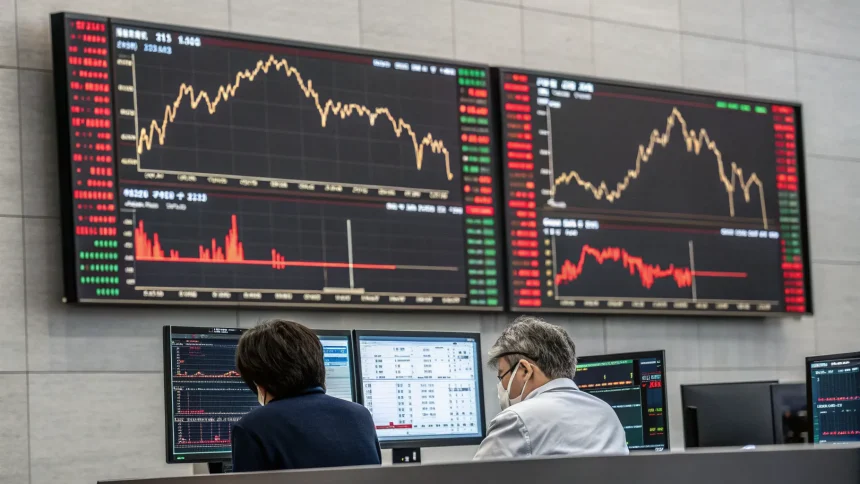
Stocks swinging ahead of the opening bell pointed to a choppy start for traders, as early price gaps flagged shifts in sentiment and fresh catalysts hitting specific names. The moves, visible before regular trading begins in New York, offered an early look at where money might flow once liquidity deepens.
Premarket action, which runs before the 9:30 a.m. Eastern open, often responds to earnings, guidance changes, analyst calls, and headline risk. While volumes are thinner and bid-ask spreads wider, the direction of these moves can shape the first hour of trade. Many investors treat this period as a signal rather than a conclusion, watching whether large early gains or losses hold once the market opens.
“These are the stocks posting the largest moves in premarket trading.”
Why Premarket Moves Matter
Early moves can set the tone for the session. If a cluster of growth stocks pops on strong results, it can lift related sectors at the open. If a major index member slumps after a guidance cut, it can act as a drag on the broader market. Market makers and active funds often adjust orders based on price discovery in this thin window.
Yet the signal is imperfect. Lower liquidity makes it easier for headlines to move prices more than they might during regular hours. That is why many long-term investors wait for confirmation once institutional volume arrives after the open.
Common Catalysts Behind Big Swings
The largest early movers tend to have fresh, company-specific news. Earnings reports and conference-call commentary often land outside regular hours, allowing traders to react immediately. Regulatory decisions, such as drug approvals or setbacks, can also drive large gaps in health care names. Analyst upgrades and downgrades sometimes trigger sharp repricing when they change the investment case or earnings outlook.
- Earnings beats or misses that reset profit expectations
- Updated guidance that shifts revenue or margin views
- Mergers, takeovers, or breakup talk that alter valuations
- Product launches, user growth metrics, or platform changes
- Regulatory rulings, court decisions, or safety findings
- Macro data that hits rate or inflation expectations
Traders also watch index futures and exchange-traded funds tied to major benchmarks. When futures swing, they can amplify or mute individual stock reactions at the open.
How the Early Session Works
U.S. premarket trading generally runs from 4:00 a.m. to 9:30 a.m. Eastern Time, depending on broker access. Participation is lower than during the day, which can widen spreads and increase slippage. Limit orders are common to manage price risk in this window.
Professional desks track order imbalances and price indications before the opening auction. These signals, while not final, help frame where a stock may open and how much supply or demand sits on each side of the book.
Signals Investors Watch
Active investors parse several markers to judge whether an early move will last. One marker is volume relative to a stock’s average premarket activity. Another is how a stock trades after an initial knee-jerk reaction to news. If a name rallies on an earnings beat and continues to build on gains as new orders arrive, confidence in the move rises.
Correlation also matters. If peers move in the same direction on shared catalysts, sector follow-through can be stronger. By contrast, a solitary move without confirmation may fade once the market opens and liquidity normalizes.
Risk Management in Thin Markets
Premarket moves can be tempting, but they carry higher execution risk. Spreads can widen quickly on new headlines. Stops may trigger at unfavorable levels. Options pricing can also be uneven, reflecting uncertain implied volatility before regular trading begins.
Many investors plan entries and exits around key time windows, such as the opening auction, which can offer better price discovery. Others scale positions to reduce the impact of early price swings.
What Today’s Action Could Mean
A cluster of large premarket movers often hints at a news-heavy session. If gains are concentrated in cyclical names, it may suggest optimism about growth. If declines hit rate-sensitive sectors, it can flag shifting views on policy or inflation. The first 30 to 60 minutes after the open typically confirm whether early swings have staying power.
For now, the focus is on whether volume supports the initial direction and if cross-currents from macro headlines complicate the read. Earnings season, regulatory events, and analyst days can all extend volatility through the week.
As markets open, watch for confirmation through sustained volume, sector breadth, and how leaders behave into the opening auction. Strong follow-through may set the tone for the day, while quick reversals can create whiplash. Either way, premarket shifts offer a useful first draft of the session’s story—and a reminder to balance speed with caution.