

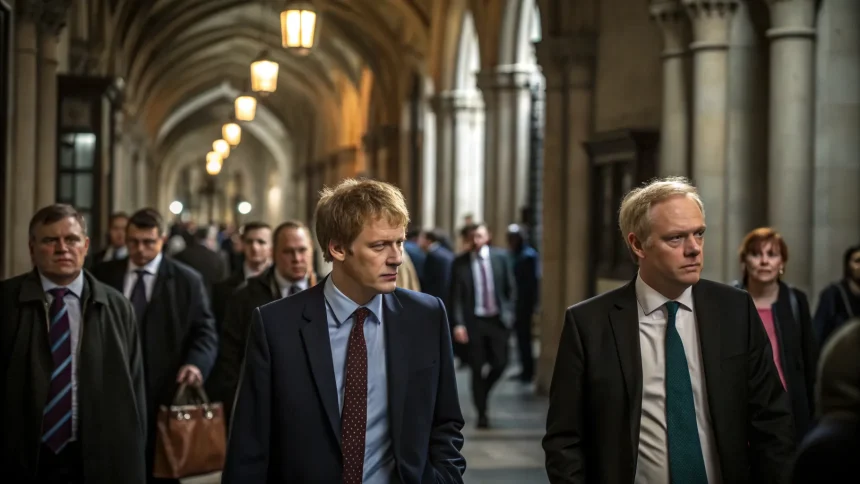
Uncertainty over Prime Minister Keir Starmer’s future has stirred fresh intrigue at Westminster, adding heat to months of quiet maneuvering inside the Labour Party over potential successors. The debate centers on whether the government can keep momentum after taking power, and who, if anyone, is ready to lead should a vacancy arise.
Doubts about U.K. PM Keir Starmer’s future have fed months of plots about who if anyone might be ready to take his place.
The questions matter now because policy timelines on the economy, public services, and foreign affairs are tight. Allies insist the prime minister remains focused and in control. Critics argue the government needs a clearer plan for delivery and a stronger political message.
How Westminster Got Here
Leadership speculation is a familiar feature of British politics. Recent years saw swift changes at the top: Theresa May yielded to Boris Johnson after Brexit stalemate, and Liz Truss exited after market turmoil. Those episodes hardened a view that party leaders can face sudden pressure when support dips or plans stall.
For Labour, the backdrop is different. After returning to power, ministers face high expectations on public spending, growth, and the National Health Service. Early choices on taxes and wage deals shape public opinion. Stumbles on housing targets, energy policy, or border control can quickly become stories about political strength.
Inside any governing party, policy disagreements often double as proxy fights over direction and style. That can fuel talk of future leadership without a direct challenge.
What Is Driving the Doubts
Several pressures have fed the chatter. Inflation’s impact on households still lingers even as price growth eases. Public services are strained after years of tight budgets. Voters want faster results than government can easily deliver.
Strategists say the government needs a steadier narrative on growth and reform. Supporters counter that big projects need time. They point to steps on planning, skills, and investment rules as groundwork for later gains.
Foreign policy adds complexity. Conflicts abroad, shifting alliances, and trade talks can force rapid decisions that carry domestic political costs.
How a Labour Leadership Challenge Would Work
Labour’s rules set a high bar for replacing a sitting leader. A contest needs nominations from a share of Labour MPs before members and affiliated groups vote. That structure tends to favor stability early in a government’s term.
Any move against a leader would require organized support across the parliamentary party and the wider movement. Union influence and local members also shape the field. Without clear agreement on a new direction, a challenge can fizzle.
Who Could Step In If Needed
The party’s senior ranks include several figures often mentioned in speculation. Each brings different experience and risks.
- Rachel Reeves: The chancellor argues for stability and private investment to lift growth. Markets watch her plans closely.
- Angela Rayner: The deputy prime minister connects with Labour’s base and speaks often on workers’ rights and local growth.
- Yvette Cooper: The home secretary emphasizes security and policing, with long cabinet experience.
- David Lammy: The foreign secretary focuses on alliances and trade, linking diplomacy to growth.
- Wes Streeting: The health secretary backs NHS reform and new ways to cut waiting lists.
- Bridget Phillipson: The education secretary pushes for early-years support and skills to raise productivity.
None has publicly campaigned for the top job. Names rise or fade with cabinet performance, media exposure, and party mood.
What a Contest Would Mean for Policy
Even rumors can affect delivery. Investors study political risk before funding big projects. Departments may delay choices while watching for signals from No. 10 or the Treasury. International partners look for continuity on defense and trade.
A real contest could slow bills in Parliament and crowd out policy messages. It could also force clearer commitments on tax, spending, and public service reform. That clarity can help markets and voters, but it can split the party if lines harden.
What to Watch Next
The next budgets and spending reviews are key markers. Progress on NHS waiting lists, housebuilding, and energy projects will shape public judgment. By-elections and local polls will test party discipline. Media focus on cabinet profiles will add to leadership talk or calm it, depending on results.
For now, the government’s fate rests on delivery and communication. If the agenda turns into visible gains, speculation will fade. If delays mount, the chatter will grow louder. Either way, the stakes for Labour—and for the country’s policy path—are high.