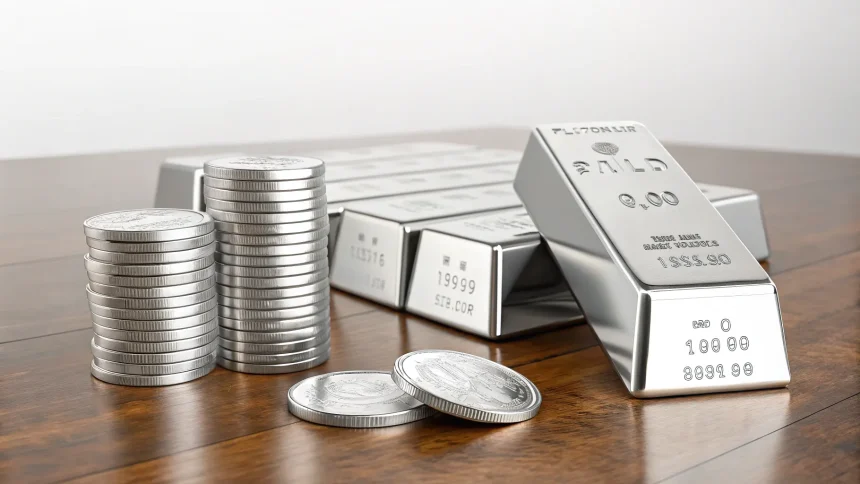
As price pressures worry households and markets, investors are revisiting hard assets, with platinum emerging as a contender for inflation protection and diversification. The push reflects a familiar playbook: when purchasing power slips, tangible stores of value draw fresh attention.
The core story is simple. Investors, concerned about inflation’s bite, are weighing precious metals, including platinum, as a way to hedge risk. They are asking how this metal differs from gold, what drives its price, and whether it fits a balanced portfolio today.
Why Platinum, and Why Now
Precious metals have long served as a hedge when inflation rises. Gold dominates that role, but platinum offers a different mix of qualities. It is both a precious metal and an industrial input, used in automotive catalytic converters, jewelry, and chemical processes.
That split identity means platinum can respond to factors outside typical safe-haven flows. Auto production, emissions rules, and technological shifts can move prices. Supply factors matter too. Platinum is largely mined in South Africa and Russia, where labor issues, energy disruptions, or geopolitics can affect output.
These dynamics can increase volatility compared with gold. For some, that risk is a drawback. For others, it adds potential reward if timed with industrial upswings or supply shortages.
What Investors Are Saying
If you’re worried about increased inflation, adding precious metals like platinum to your portfolio can be a smart choice.
The view reflects a broader sentiment among inflation-wary savers. The argument is straightforward: metals are scarce, widely traded, and not tied to a central bank’s policy. The counterargument is equally clear: prices can swing, and past outcomes do not guarantee future protection.
Comparing Platinum With Gold and Silver
Gold is seen as a classic inflation hedge with deep liquidity and a long history as a store of value. Silver sits between investment demand and heavy industrial use. Platinum skews even more to industry, which can magnify cycles.
During periods of strong manufacturing and tight emissions standards, platinum demand can rise. When auto sales fall or when substitution to palladium or new technologies occurs, demand can soften. Those cross-currents can push prices in ways that do not always match inflation trends.
Opportunities and Risks for Portfolios
For investors considering platinum, the case often centers on diversification and potential upside from supply or industrial shifts. The risks hinge on volatility and liquidity compared with gold.
- Diversification: Low correlation to some equities and bonds can smooth returns.
- Inflation hedge: Offers a hard-asset buffer, though outcomes vary by cycle.
- Industrial sensitivity: Demand tied to autos, chemicals, and clean-tech projects.
- Supply risk: Concentrated mining regions can face disruptions.
- Access and costs: Choices include physical bars and coins, ETFs, or mining shares, each with fees and risks.
Policy, Technology, and the Road Ahead
Emissions rules remain a key driver. Tight standards lift catalyst demand, supporting platinum. Electric vehicle adoption can reduce some catalyst needs, though hybrids still require them. Substitution between platinum and palladium in catalysts also affects the balance.
Clean hydrogen projects could influence future demand. Some fuel-cell technologies use platinum, which may provide a new outlet if projects scale. Recycling rates, especially from scrapped vehicles, can add supply and soften price spikes during booms.
Monetary policy also matters. If central banks keep rates high to cool inflation, metal prices can face headwinds from a stronger currency and higher yields. If inflation persists while growth slows, defensive assets, including metals, may see renewed interest.
How Investors Can Approach the Metal
A measured approach can fit a long-term plan. Small allocations may provide diversification without overtaking core holdings. Product choice matters: physical holdings require storage; ETFs offer ease; mining equities add company-specific risk.
Cost discipline is important. Spreads, fund fees, and taxes can erode returns over time. Clear goals—hedging, speculation, or long-term diversification—help guide position size and holding period.
Inflation anxiety is pushing hard assets back into focus, and platinum sits in that conversation with a unique industrial twist. The metal can hedge some price risk and broaden a portfolio, but it brings higher volatility and supply sensitivities. For investors weighing the trade-off, careful sizing, product selection, and patience will matter most. The next catalysts to watch: policy on emissions, the pace of electric and hybrid adoption, developments in hydrogen projects, and signals from central banks on inflation and rates.