Three threads stood out for equity investors this week: a new set of long-term picks from Desjardins, fresh analyst coverage for a company tied to major infrastructure work, and renewed focus on stocks that benefit from higher grocery bills. The themes point to where money managers are looking for staying power, what happens when research coverage shines a light on an under-followed name, and how consumers continue to shape retail performance.
The Week in Stocks: Desjardins’s 2026 top picks, a Major Projects winner scores analyst coverage and food inflation winners.
Why long-term lists matter
Broker “top picks” lists offer a snapshot of what research teams think can work across cycles. A 2026 horizon suggests attention to balance sheets, free cash flow, and earnings visibility. It also sends a signal about where analysts see steady demand, even as interest rates, growth, and input costs move around.
Such lists often skew to businesses with recurring revenue and disciplined capital spending. Names that can fund growth internally tend to rank well when capital is expensive. Companies exposed to structural trends, such as energy transition, digital infrastructure, or aging assets in need of replacement, also attract interest.
Desjardins’s focus on a multi-year window tells portfolio managers to think past quarter-to-quarter noise. It encourages looking at dividend durability, backlog quality, and pricing discipline. The approach can help avoid chasing short-term rallies that fade with the next data point.
“Desjardins’s 2026 top picks.”
Analyst coverage can change a stock’s path
A company tied to large-scale projects drew new analyst attention this week. That matters for trading and valuation. Research coverage can widen the investor base and improve liquidity. It can also bring clearer estimates and more consistent disclosure expectations.
Firms with recent project wins often face questions about execution risk, labor capacity, and supply timing. New coverage can frame those risks and compare them with peers. It can also surface catalysts, such as milestone payments, permitting progress, or contract options that extend revenue visibility.
For issuers, coverage can lower their cost of capital over time if it leads to tighter bid-ask spreads and a more stable shareholder base. For investors, it offers organized tracking of backlog, cost pass-through, and margin targets, rather than relying on scattered updates.
Who benefits when grocery prices stay high
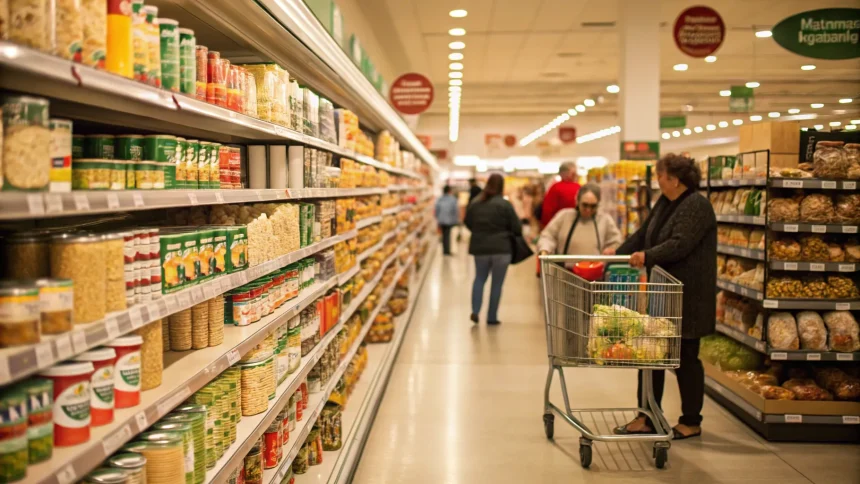
Consumers continue to feel pressure at the checkout line. Even where headline inflation has cooled, food prices remain above pre-pandemic levels in many markets. That has shifted shopping habits. Households hunt promotions, switch brands, and increase visits to discount banners.
Winners in this setting tend to share a few traits. Grocers with strong private-label lines capture trade-down demand and better margin mix. Discounters gain traffic as shoppers stretch budgets. Packaged food producers with pricing power and cost control protect profitability, though they must watch for volume erosion when price increases stack up.
There are limits. Sticker shock can push consumers to buy less or trade to smaller pack sizes. Competitive intensity can blunt price increases. Regulators also monitor food pricing, which can affect headline risk. Investors need to separate durable share gains from temporary lift driven by short-term promotions.
What to watch next
Several checkpoints can help investors test these themes as the quarter unfolds.
- For long-term picks: free cash flow conversion, leverage trends, and capital allocation discipline.
- For the projects name: backlog quality, milestone timing, and cost pass-through clauses in contracts.
- For food inflation trades: traffic, basket size, and private-label penetration versus branded mix.
- Across the board: guidance updates tied to input costs and wage pressures.
A balanced read on risk and reward
Long-dated calls can look early in a choppy tape. If growth slows faster than expected, cyclicals may lag even with clean balance sheets. Project-driven stories can face delays or disputes that push revenue out. Food beneficiaries risk volume declines if consumers push back on pricing.
But the flip side is clear. Firms with recurring cash flows and steady pricing often earn a premium when uncertainty rises. Companies that add coverage can re-rate as new investors engage. Retailers that help shoppers save money can build loyalty that outlasts inflation spikes.
This week’s themes align with that logic. Analysts are signaling patience, clarity, and cash flow over flash. Investors are rewarding businesses that meet customers where they are: seeking value, predictable service, and transparency.
The coming weeks should firm up the picture as companies report holiday results and update outlooks. Watch for signs that price increases are easing without hurting margins, that project pipelines are converting to revenue on schedule, and that long-term pick lists are sticking to their frameworks. Those clues will show whether these stories have room to run into 2026.