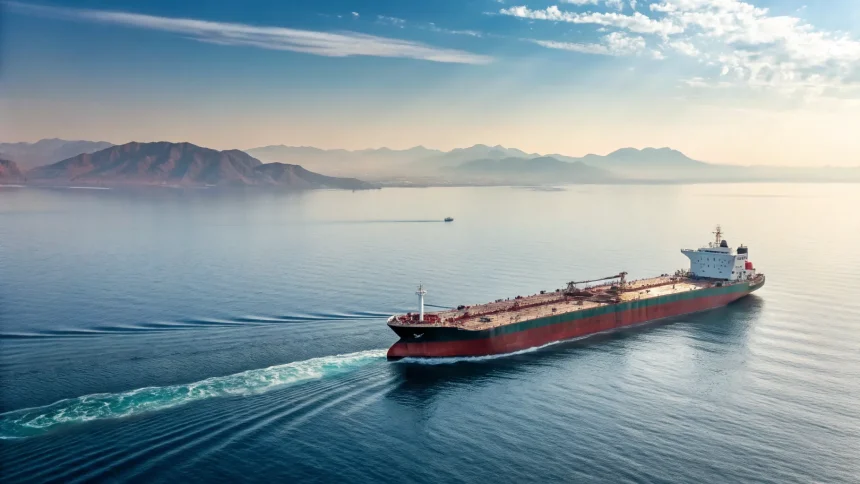
Oil prices slipped as hopes rose that Iran could restart talks with the United States and Israel, easing fears over a conflict that has strained trade through the Strait of Hormuz. Traders welcomed even a hint of diplomacy after weeks of shipping delays and insurance spikes near the narrow waterway, which is crucial for crude exports from the Gulf.
Oil prices fell as optimism grew that Iran may restart negotiations with the U.S. and Israel, easing tensions over the conflict that has disrupted the Strait of Hormuz.
Why the Strait matters
The Strait of Hormuz is the main artery for Persian Gulf oil. Analysts estimate that roughly one fifth of global crude traded by sea moves through the channel. Any disruption can ripple through energy markets, lift freight costs, and strain refineries from Asia to Europe.
Recent tensions have slowed transits and pushed some shippers to reroute or delay cargoes. Marine insurers have raised premiums. Even short interruptions tend to tighten prompt supplies and push up volatility.
Market reaction and what moved prices
Prices slipped as traders priced in a lower chance of escalation. Risk premiums—the extra cost embedded in futures during crises—tend to fall fast when headlines hint at dialogue. That pattern held as talk of renewed contact emerged.
Refined products tracked crude lower. Airlines and trucking firms welcomed relief from rising fuel bills. Power producers in import-reliant nations also saw near-term pressure ease.
Signals from the diplomatic track
The prospect of talks, even indirect ones, is driving sentiment. Veteran Middle East watchers say early steps may focus on de-escalation at sea and assurances on shipping lanes. Broader issues, such as sanctions and regional security, are likely to be harder and slower.
Energy strategists urged caution. A path to a durable agreement remains uncertain, and missteps could revive tensions quickly. Still, the immediate goal—safe passage for tankers—has clear, practical steps that could lower risks.
What history suggests
Past flare-ups in and near the Strait have often produced short-lived price spikes followed by retreats when diplomacy took hold. In several cases, naval escorts, back-channel messages, or regional mediators calmed waters within weeks.
Supply buffers matter, too. When OPEC spare capacity and commercial inventories are healthy, markets absorb shocks more easily. When buffers are thin, even modest disruptions can drive sharp moves.
Winners, losers, and the near-term outlook
Importing countries benefit first from a price dip. Lower crude eases inflation pressures and supports central banks trying to balance growth and prices. Shippers gain if war-risk premiums decline, cutting voyage costs.
Producers with narrow fiscal space may feel the pinch if prices fall further. Some national budgets depend on higher crude. That can complicate regional politics if diplomacy drags on.
- If talks progress: risk premiums fade, shipping stabilizes, and refiners rebuild inventories.
- If talks stall: premiums return, insurers raise rates, and rerouting squeezes supplies.
- Wild cards: regional militia activity, sanctions shifts, and unplanned outages elsewhere.
What to watch next
Markets will track any signs of maritime de-escalation, such as formal transit assurances or naval coordination to reduce incidents. Clearer schedules for shuttle diplomacy would also support sentiment.
On the supply side, watch OPEC producers near the Gulf and their export programs. Shipping data on tanker speeds and wait times at the Strait will show whether conditions are normalizing.
The latest pullback in prices rests on fragile hopes. A credible diplomatic channel could cement those gains by lowering the chance of fresh disruptions. If progress holds, refiners and consumers may get breathing room after a tense spell on one of the world’s most vital sea lanes. If it falters, markets will likely reprice risk quickly, with costs again filtering into freight, fuel, and inflation. For now, the signal is clear: even a small opening for talks can cool a hot market.