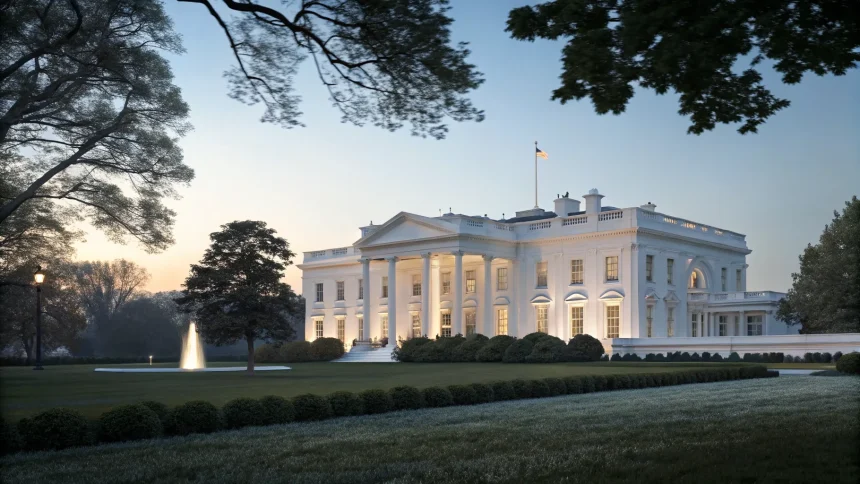
The White House is signaling a turn to diplomacy in the Middle East, with quiet talks involving Tehran said to be moving ahead. The push comes as regional tensions remain high and Washington faces pressure to reduce the risk of wider conflict while protecting U.S. interests and partners.
Officials are seeking a path that could ease immediate flashpoints and open room for longer-term understandings. The effort points to Washington’s preference for engagement over escalation at a sensitive moment in the region.
The White House has been signaling a diplomatic solution to the conflict in the Middle East, as discussions around continuing negotiations with Tehran are underway.
Background on U.S.-Iran Contacts
Washington and Tehran have cycled through negotiation and confrontation for years. The 2015 nuclear agreement, known as the JCPOA, set limits on Iran’s nuclear program in exchange for sanctions relief. The United States left the deal in 2018, and Iran later reduced its compliance.
Since then, indirect talks have surfaced at times to address nuclear activity, detainee releases, and regional security. Some of these discussions occurred through European or Gulf intermediaries. Each round has struggled against mistrust and shifting domestic politics on both sides.
Recent diplomatic signals suggest a fresh attempt to manage risk. The goal appears to be preventing miscalculation and creating space for gradual steps, rather than a single sweeping accord.
Regional Stakes and Reactions
The stakes extend well past the nuclear file. Maritime incidents, proxy attacks, and border clashes keep the region on edge. U.S. partners, including Israel and Gulf states, watch any talks closely.
Supporters of engagement argue that communication can reduce the chance of sudden escalation. They say even limited deals can save lives and buy time for deeper work.
Critics worry that talks could reward hard-liners or ease pressure without lasting changes. They push for tougher enforcement of sanctions and clearer red lines.
What a Diplomatic Track Could Address
Any negotiating track would likely focus on urgent risk reduction first. Longer-term questions would take more time and political will.
- Steps to limit nuclear activity or improve monitoring.
- Measures to reduce regional attacks and proxy violence.
- Maritime security and freedom of navigation.
- Humanitarian channels and detainee issues.
- Sequenced sanctions relief in exchange for verified actions.
Confidence-building measures could help test intentions. Small, verified steps often matter more than broad promises. Clear timelines and enforcement are key to durability.
Domestic Pressures Shape the Room for Maneuver
Both Washington and Tehran face strong domestic pressures. U.S. officials must balance security concerns with skepticism in Congress. Tehran weighs economic needs, internal politics, and security commitments across the region.
Analysts note that durable deals require support from key power centers, not only diplomats. Without that buy-in, progress can stall or unravel when crises hit.
Risks, Obstacles, and Timelines
No track is risk-free. Spoilers on the ground can strike during talks, forcing hard choices. Technical disputes over inspections or sanctions can also derail progress.
Deadlines matter. Nuclear advances, election calendars, and security incidents can compress the timeline. This often pushes negotiators toward interim steps that are easier to verify.
Regional buy-in is equally important. Neighbors will look for clear commitments on de-escalation and information sharing to avoid misreads.
Signals to Watch
Several signs could show whether the diplomatic push is gaining ground:
- Announcements of indirect meetings or third-party facilitation.
- Technical understandings on nuclear monitoring or enrichment caps.
- Noticeable drops in cross-border attacks or maritime incidents.
- Humanitarian gestures, including detainee releases or aid arrangements.
- Coordinated statements from U.S. partners signaling cautious support.
For now, Washington appears set on lowering the temperature while testing the chance for practical deals. The next weeks will show whether quiet talks can deliver small but meaningful steps. If they do, they could open a path to broader discussions. If they do not, the risk of renewed confrontation will rise again, and the search for alternatives will return to the forefront.