A fresh threat to “close off the Strait of Hormuz” has set off alarms across energy markets and security circles. The statement targets one of the world’s most sensitive sea lanes and presses Iran to accept passage without conditions. The warning lands amid fragile Gulf tensions and tight oil supplies, raising fears of a price shock and a military standoff.
The Strait of Hormuz links the Persian Gulf to the Arabian Sea. It is the main outlet for oil shipments from Saudi Arabia, Iraq, the United Arab Emirates, Kuwait, and Qatar. Energy agencies estimate that about a fifth of global petroleum liquids move through this channel on many days. Any closure or serious disruption would ripple through fuel prices and trade.
“Close off the Strait of Hormuz” and have it “reopened unconditionally.”
Why this waterway matters
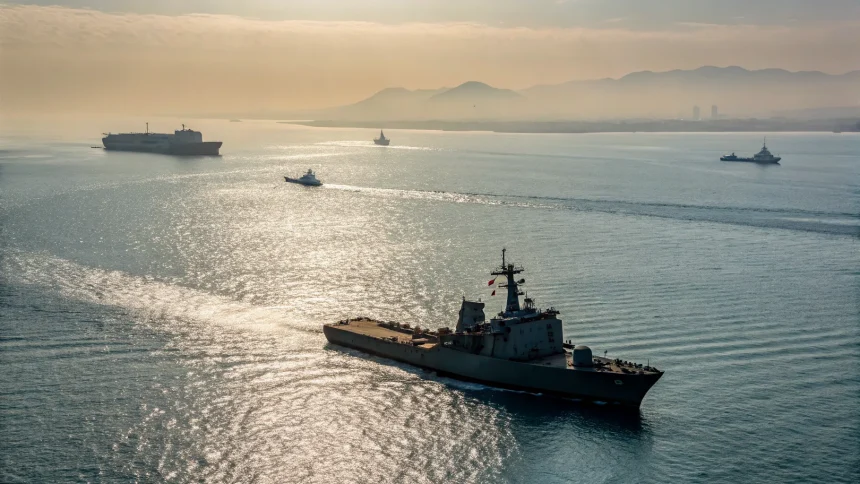
The strait is narrow. At its tightest point, the shipping channel is only a few dozen miles across, with defined inbound and outbound lanes. It is also shallow in places and crowded with commercial traffic. That makes vessels vulnerable to harassment, mines, and drone strikes.
Insurance costs rise quickly when risk climbs. Tankers may seek to reroute, but options are limited. Some Gulf states use pipelines to bypass the strait, yet those lines cannot carry the full export volume. That means the chokepoint remains central to world energy flows.
Past flare-ups offer a warning
Incidents have flared before. In recent years, there were tanker seizures, sabotage claims, and drone shootdowns. Naval patrols by the United States and allies increased during those times. Ship captains adopted higher alert levels and altered routes near Iranian waters.
Analysts recall that even short disruptions lifted oil prices. Market reactions can be swift. Traders price in risk before any supply is lost, which amplifies volatility. For consumers, that can mean higher gasoline and diesel prices within days.
Legal stakes and military risks
Under customary international law, commercial ships have a right of transit passage in straits used for global navigation. Gulf states and Western navies say that closing the route would violate that norm. Any attempt to block traffic could draw a military response to protect shipping.
Regional states worry about miscalculation. Patrol boats, drones, and surveillance aircraft work in tight quarters. A single incident can escalate. Defense officials stress communication hotlines and set rules to avoid clashes at sea.
Energy market exposure
Oil supply is tighter than typical for this time of year, according to market trackers. Global spare capacity rests mostly in the Gulf, so threats near the strait hit confidence hard. Refiners in Asia and Europe are especially exposed to Gulf barrels.
- Risks: price spikes, shipping delays, higher insurance, and wider regional tensions.
- Short-term buffers: emergency stockpiles and limited pipeline bypass routes.
- Longer-term options: diversified sourcing, efficiency, and more storage near refineries.
Competing messages and room for talks
The demand to see the route “reopened unconditionally” signals pressure on Iran and a bid to set terms. Iranian officials often argue that security in the Gulf must account for their interests and sanctions relief. Gulf partners call for restraint and steady flows.
Security experts recommend stepped-up convoy escorts, better mine countermeasure readiness, and clear deconfliction channels. Energy economists call for transparent release plans for strategic reserves if needed. Shipping firms ask for consistent guidance so they can plan voyages safely.
What to watch next
Key indicators include insurance premiums on Gulf routes, reported naval deployments, and satellite images of tanker traffic. Traders will track refinery runs in Asia and any policy moves on strategic stockpiles. Diplomats will look for signs of back-channel talks that lower the temperature.
The latest warning highlights a hard truth. A small waterway can sway global prices and peace. Clear rules for safe passage, patient diplomacy, and coordinated maritime security remain the best tools to keep oil moving and ships out of harm’s way.