

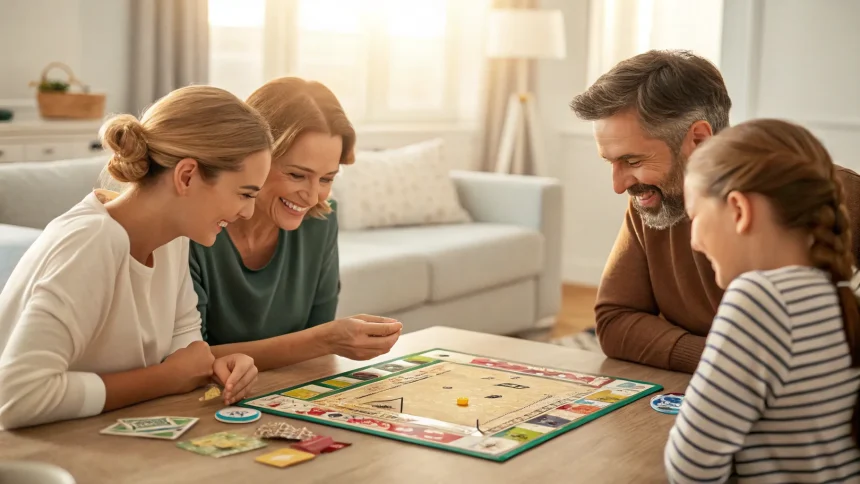
A $12 billion toy and entertainment giant built on family game nights is rethinking how to stay relevant in an age of streaming and smartphones. The company, best known for evergreen titles, faces new competition and shifting habits as it maps its next chapter.
Its influence rests on a catalog that spans generations. These games shaped childhoods, fueled friendly rivalries, and taught strategy with pen, paper, and a handful of tiles. That legacy is its strength. It is also a test, as younger players split attention between screens and tables.
The $12 billion toy and entertainment company is known for classic games like Monopoly and Scrabble.
A heritage built on timeless play
Board games have long served as a social anchor in living rooms and dorms. The company’s best-selling titles thrive because the rules are simple, the goals are clear, and the experience invites conversation. Parents often reach for familiar names when planning gatherings or gifts.
Retail cycles also favor the classics. Holiday shopping consistently lifts demand for recognizable boxes. Family reunions, school breaks, and rainy weekends do the rest. Even as trends come and go, brands with decades of shelf presence hold a unique trust with buyers.
New pressures from screens—and fresh openings
The challenge today is attention. Mobile games and streaming platforms can fill every spare minute. That shift squeezes time for longer tabletop sessions and raises the bar for what earns a spot on the coffee table.
At the same time, screens have opened doors. Digital editions, companion apps, and online multiplayer can introduce first-time players to classic rules and variants. Educators and tutors also lean on word games to build vocabulary and quick problem-solving.
- Digital play can act as an on-ramp to tabletop sessions.
- Hybrid formats keep rules consistent and reduce setup time.
- Family-friendly titles benefit from classroom exposure.
- Licensing turns game icons into cross-media characters.
Licensing, media, and the brand flywheel
Strong titles lend themselves to stories, characters, and events. Licensing deals can turn tokens, tiles, and boards into films, shows, and live experiences. That cycle sends fans back to the games and widens the audience.
Merchandise also plays a role. Limited editions, local city maps, and themed word lists give collectors a reason to buy again. Retail partners gain seasonal exclusives. The brand gains fresh shelf space without rewriting the core rules.
Innovation without losing the core
Designers within the industry say the safest path blends small rule tweaks with better onboarding. Clear teaching guides and shorter starter modes help new players learn fast. Timed rounds and smart scoring speed up play for busy families.
Accessibility is another frontier. Larger print, colorblind-friendly components, and mobile rulebooks open the table to more players. Environmental packaging and durable parts can reduce costs and waste over time.
What teachers, parents, and investors want
Teachers look for games that build vocabulary, math, and negotiation. Parents value activities that pull kids off screens and bring siblings together. Retailers want steady sellers with frequent refreshes. Investors watch whether the brand can convert nostalgia into repeat purchases and media revenue.
Balancing those needs calls for steady updates and careful pricing. The company will likely focus on family bundles, school-friendly kits, and digital subscriptions tied to classic brands. That mix can smooth sales through the year and protect margins.
The road ahead
The core idea still works: gather people, teach a few rules, and start rolling, dealing, or spelling. The next step is to meet players where they are without losing what made the games special. Small changes can have big effects when the brand is already in millions of homes.
The company’s scale offers options in publishing, streaming tie-ins, and classroom channels. Success will depend on making each part reinforce the others. Watch for expanded digital libraries, themed limited runs, and school partnerships built around word and strategy play.
For now, the message is clear. The brand’s greatest asset is trust. If it can update the experience while keeping the table at the center, family game night will keep its seat.