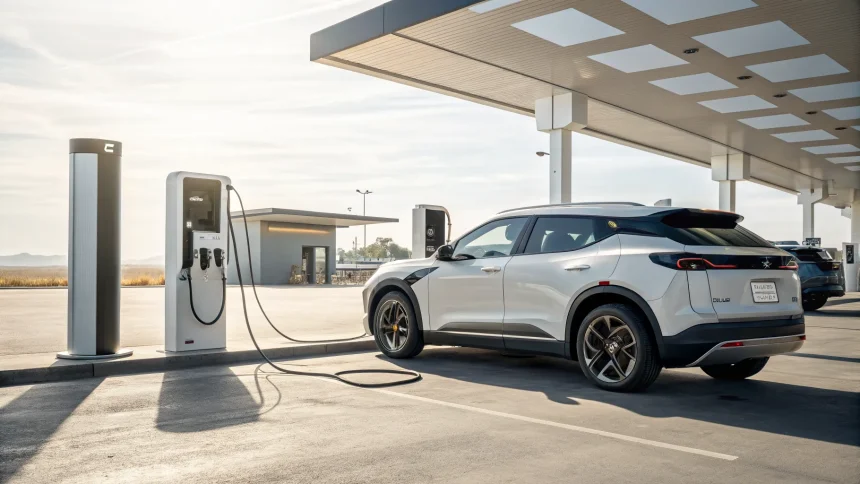
As prices at the pump jump amid new conflict involving Iran, some drivers are finding relief in past choices. In Detroit, Kevin Ketels said his decision to buy a 2026 Chevrolet Blazer electric model last year now feels even smarter. He did not switch to save on gas, but the savings have arrived anyway.
Ketels described a simple motive when he purchased the Blazer: technology and timing. “He wasn’t thinking about the cost of gas,” he said of his own decision-making. He thought electric vehicles were better and, as he put it, he “wanted to be part of the future.” Today, with fuel prices rising fast, he is glad he is not queueing at a gas station.
Why fuel shocks change the math
Oil markets often react quickly to war or supply threats. When prices rise, household transportation costs can spike within days. For drivers with long commutes, that can strain monthly budgets and delay other spending. Electric owners avoid those swings, paying steadier electricity rates and, in many cases, lower maintenance costs.
Economists say the immediate winners are drivers who already made the leap to battery power. Yet the bigger story is how price spikes influence future purchases. History shows that each fuel shock leads some shoppers to seek alternatives, from hybrids to smaller engines, and now to fully electric models. The question is whether this surge in interest lasts once prices settle.
A personal choice meets a public shift
Ketels’ experience captures that tension between values and costs. He said he chose the Blazer because he liked how it drove and the software features it offered. Lower fueling costs are now a bonus. As he put it, “EVs were better” for his needs, and the market’s latest shock simply “confirms what I hoped.”
“Wanted to be part of the future.”
Car dealers report that price volatility often brings a wave of calls about electric options. Shoppers ask about charging access, winter range, and resale value. Incentives and employer charging can tip decisions. When prices ease, some of that urgency fades, but not always the curiosity.
Costs, charging, and the fine print
Electric models can still carry higher sticker prices than similar gas cars, even after discounts. That gap narrows when fuel spikes, but the upfront hit matters. Charging remains uneven, too. Urban areas and major highways tend to have more fast chargers. Rural networks are growing but can lag. Home charging solves most daily needs for owners with garages, but renters often lack that option.
- Upfront versus operating costs: Savings grow with higher gas prices and longer daily driving.
- Charging access: Home charging is the cheapest; public fast charging is improving but can vary by location.
- Weather and range: Cold snaps can trim range, so buyers should size batteries to their routines.
Insurance and repair networks are also adjusting. Some owners report higher premiums, which may come down as more models enter the market and parts pipelines mature. Warranty coverage on batteries continues to be a key selling point.
Industry response and what comes next
Automakers plan new electric and hybrid launches to hedge against swings in demand. Fleet buyers, such as delivery firms and municipal agencies, often keep ordering electric models because fuel and maintenance savings are more predictable over time. Utilities are investing in upgrades to handle more home and workplace charging, and cities are testing curbside chargers for residents without driveways.
Analysts say the current fuel shock could push hesitant buyers to try plug-in hybrids as a bridge. Others may commit to full battery models as networks improve. The resale market is also stabilizing as more used electric cars reach dealerships, offering lower entry prices and easing concerns about depreciation.
A driver’s takeaway
For Ketels, the calculation is simple. The car fits his life, and the savings at the pump are welcome. His story highlights a broader pattern: values, budgets, and infrastructure all shape the move to electric. When gasoline gets expensive, more drivers weigh those trade-offs with fresh urgency.
Buyers now considering a switch should map their daily miles, check local charging options, and compare total costs over several years. If oil markets stay tense, interest in electric models will likely stay high. If prices cool, momentum could slow but not stop. Either way, the next few months will test how many shoppers follow Ketels’ lead—and how ready the market is to meet them.