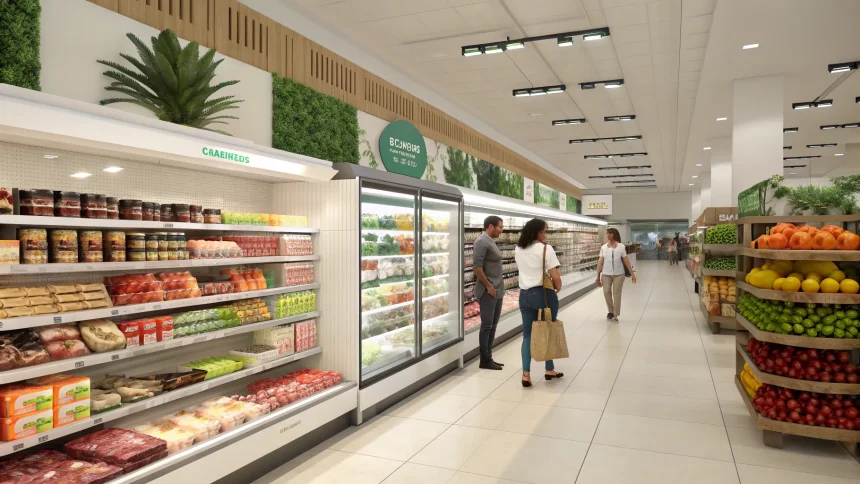
President Donald Trump moved to lift U.S. tariffs on beef, coffee, tropical fruits, and other commodities this week, a bid to ease pressure on household budgets as food costs strain consumers. The change, announced amid rising concern over grocery bills, signals a shift in trade policy aimed at lowering prices at the checkout.
The decision targets a set of everyday imports and comes as the White House faces demands to show progress on consumer prices. Officials did not release full details on timing or scope, but the move positions the administration to claim quick relief for shoppers if suppliers pass savings along.
What Was Announced
“President Trump announced the removal of U.S. tariffs on beef, coffee, tropical fruits and other commodities amid pressure to address high consumer prices.”
The announcement focuses on food items with broad consumer reach, including beef, coffee, and a range of tropical fruits. Removing import duties can reduce costs for importers and wholesalers. Whether that translates into lower retail prices depends on contracts, shipping schedules, and how retailers price goods already in stock.
Why It Matters For Consumers
Food has been a stubborn part of household expenses. While inflation has cooled from earlier highs, families continue to report strain from staples that have not returned to pre-pandemic levels. Coffee and produce are highly visible prices in weekly shopping, shaping public perceptions of affordability.
Tariffs operate like a surcharge on imports. Cutting them can lower landed costs immediately, especially for items that cannot be grown in sufficient quantity in the U.S., such as coffee and many tropical fruits. Beef, by contrast, is a domestic industry with strong political support, so any change there will draw close attention from ranchers and processors.
Economic and Industry Impact
Trade analysts say the price effect will hinge on how large the tariffs were and how quickly suppliers adjust. Importers could see savings on new shipments, but inventories built under old rates will take time to clear. Seasonal fruit markets may react faster due to shorter supply cycles.
Grocers typically negotiate contracts weeks or months in advance. Some may accelerate promotions if their costs fall. Others may hold prices to rebuild margins eroded by freight and labor costs in recent years. Coffee roasters, which hedge prices on global exchanges, could be among the first to incorporate tariff savings into blend costs.
- Immediate beneficiaries: importers and wholesalers receiving new shipments.
- Watch points: how much savings retailers pass to consumers and how fast.
- Potential friction: domestic producers facing more low-cost competition.
Policy Context and Trade Considerations
The United States has used tariffs in past years to pressure trading partners and protect strategic sectors. Food items have often been caught in wider disputes, leading to shifting rates that complicate planning. A removal of duties marks a tactical change, prioritizing price relief over leverage.
Farm groups may welcome relief on inputs but worry about competition in meat markets. Coffee importers and fruit distributors are likely to applaud the move, arguing that lower costs support steady supply. Consumer advocates will judge success by what happens to shelf prices in the coming weeks.
What Comes Next
Key details remain open: the exact tariff lines affected, the start date, and whether the change is temporary or permanent. Customs guidance will determine when importers can claim the lower rates. Suppliers are watching for clarity on country coverage, which could affect sourcing decisions across Latin America, Africa, and Asia.
Retail price data over the next two to three months will provide an early test. If coffee and fruit prices ease, the policy could offer visible wins for consumers. If not, the administration may face calls for broader steps, from transportation cost relief to competition enforcement in food processing.
The announcement is a clear signal that the White House is prioritizing grocery costs. The impact will depend on execution and market response. Watch for agency notices on implementation, retailer promotions reflecting lower landed costs, and reaction from ranchers and importers as the policy takes hold.