Nicolás Maduro’s surprise appearance in a New York courtroom has thrust old allegations into a new legal fight, while reopening a debate over the modern cocaine trade. Prosecutors say the former Venezuelan leader faces drug-trafficking and weapons charges after a weekend operation brought him to U.S. soil. Supporters dispute the circumstances of his capture and the claims against him. The case now sits at the intersection of geopolitics, organized crime, and a resilient cocaine market that stretches from the Andes to American cities.
The charges and a contested operation
U.S. authorities have pursued Maduro and several current and former Venezuelan officials for years. In 2020, the Justice Department charged him with narco-terrorism, alleging ties to a network often called the “Cartel of the Suns.” Several Venezuelan insiders, including two relatives of the presidential family known as the “narcosobrinos,” have already been convicted in U.S. courts.
The latest case turns on whether prosecutors can tie Maduro directly to shipments and weapons deals. Defense voices argue the case is political and lacks reliable witnesses. One line from the public conversation captures the divide:
He’s facing drug-trafficking and weapons charges after the U.S. abducted him and his wife in an explosive operation over the weekend.
U.S. officials have not used the word “abducted,” and legal filings will likely detail jurisdiction and process. The court is expected to test the credibility of informants, cooperating witnesses, and any surveillance or financial records.
How cocaine reaches U.S. streets
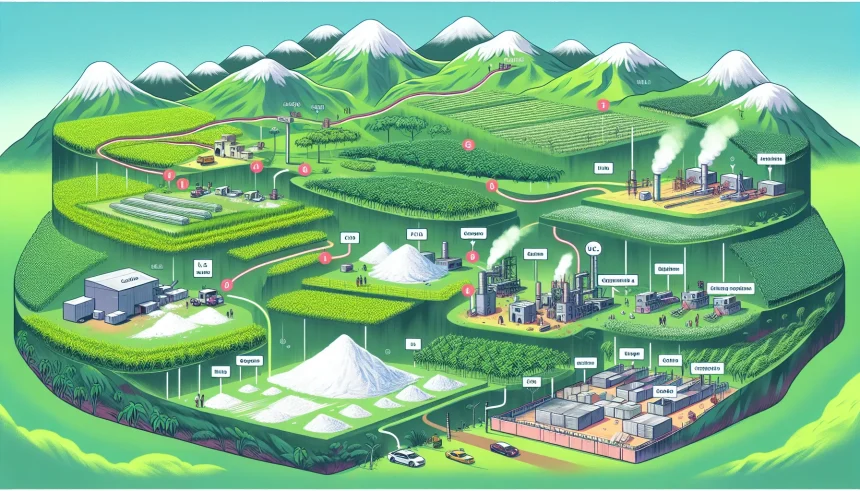
The cocaine chain still starts in the Andes, with coca grown in Colombia, Peru, and Bolivia. Processing into cocaine hydrochloride happens near cultivation zones. Smugglers then move loads by river, road, air, and sea.
- Venezuela has been cited by analysts as a key transit corridor, given its coastline and porous borders.
- Caribbean routes have seen periods of renewed activity when Central American pressure tightens.
- Mexican groups manage wholesale import and distribution into U.S. markets.
Journalist Ioan Grillo, author of “El Narco,” has documented how networks adapt quickly. When one corridor is squeezed, another opens. Fragmented armed groups in Colombia, including FARC dissidents and the ELN, tax or move product. Local gangs in Venezuela and the Caribbean provide logistics and protection. Mexican cartels control retail and mid-level supply across many U.S. cities.
What changes in 2026
Interviews with regional experts point to several shifts. Better radars and joint patrols in the Pacific have pushed some loads east into the Caribbean. Smugglers use smaller, faster vessels and more frequent shipments to cut risk. Synthetic drug profits also shape decisions, but cocaine demand has held steady in major U.S. hubs.
Pricing shows a familiar pattern. Farmgate coca leaf prices are modest. Margins grow at each stage: paste, base, refined cocaine, wholesale import, then street retail. Purity and adulterants vary by city, with fentanyl-laced mixes a persistent fear for health officials. That risk magnifies public concern even when cocaine, not opioids, is the main target.
The case against Maduro: credibility and limits
Whether the prosecution can link Maduro to specific consignments remains the central question. Supporters ask if the government is overreaching. Critics of Caracas say the pattern of prior cases points to state-linked facilitation. The program that raised the issue pressed the key question:
But is there any credibility to the drug-trafficking accusations?
Courts will weigh cooperating testimony, flight paths, maritime interdictions, and banking trails. Past prosecutions of Venezuelan officials suggest access to military airstrips and protected coasts is valuable to smugglers. Still, conviction of a head of state figure requires more than inference. It demands a clean evidentiary chain.
Implications for policy and markets
A guilty verdict could accelerate sanctions and spark new regional policing. It might also push traffickers to shift routes again. An acquittal, or a case that stalls, could strain U.S. credibility and complicate security ties with neighbors needed for interdiction.
Regardless of the outcome, the cocaine pipeline will adapt. Demand, profits, and logistics keep the chain moving. As one description of the issue put it:
Today on the show, tracing cocaine’s journey from the Andes to the streets of U.S. cities.
That journey continues to test law enforcement, courts, and communities on both sides of the supply chain.
The coming weeks will clarify the evidence and the legal footing of the operation that brought Maduro to court. The broader test is whether any verdict changes the incentives that keep cocaine flowing. Watch for court filings, interdiction data in the Caribbean, and signals from Colombia and Mexico on joint actions. The case may shape politics. The market will respond to risk, routes, and price.