

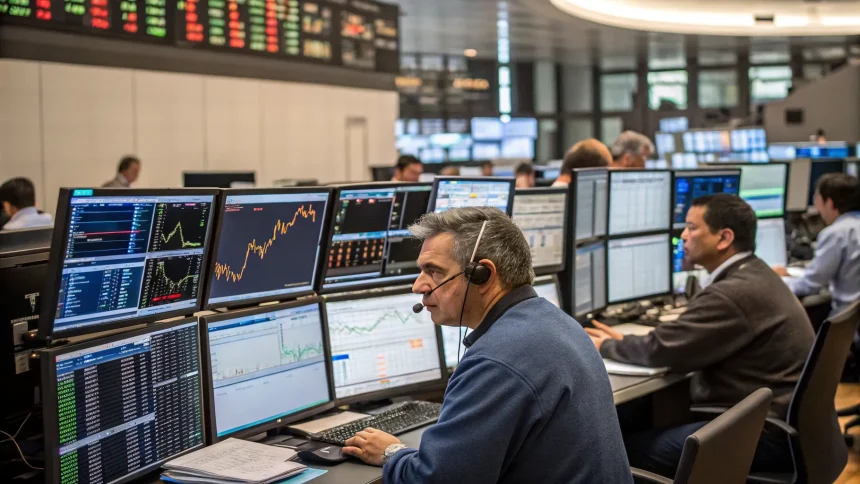
Midday trading updates often flag where money is moving and why it matters before the close. On days when stocks swing by lunch, the afternoon can set new winners and losers for the week. Traders use these check-ins to gauge sentiment, adjust risk, and spot fresh trends.
These are the companies making headlines in midday trading.
Midday rundowns have become a fixture on trading desks. They offer a quick read on which themes are driving the market. While the list of movers changes daily, the forces behind them tend to repeat. Earnings surprises, guidance shifts, and policy headlines can all push shares in short bursts. By the closing bell, those moves can either fade or harden into new price ranges.
Why midday headlines matter
Liquidity is thinner around lunch, which can exaggerate price changes. A small order can move a stock more than it would at the open or close. That makes midday a sensitive time for headlines and analyst calls. It is also when traders reassess the morning’s news and plan for the afternoon.
Professional desks watch these moves for clues about the next leg. If a sector rallies through midday on strong volume, it can pull higher into the close. If volume dries up, the move may stall or reverse. The pattern often signals how money managers are positioning for the next day.
Common drivers behind midday swings
- Earnings results and revised guidance
- Sector news, product updates, or regulatory actions
- Economic data drops, such as inflation or jobs reports
- Analyst upgrades, downgrades, and price target changes
- Options activity and large block trades
- Headlines from central banks or policy makers
These drivers can lift one stock and drag a peer at the same time. For example, a supply update can help a supplier but weigh on customers facing higher costs. News does not move in a straight line across a sector. The impact depends on pricing power, margins, and balance sheets.
Reading the tape: signals that stick
Veteran traders look for confirmation. A headline that lifts a stock on strong volume and holds its gains into 2 p.m. has a better chance of closing high. If momentum fades fast, it can signal a quick squeeze rather than real demand. They also track how exchange-traded funds move, since funds can amplify sector shifts.
Another key signal is the gap between winners and laggards. A wide gap can point to higher volatility into the close. A narrow gap can point to a more orderly finish. Either case can shape the next morning’s open and short-term sentiment.
What everyday investors can do
Midday headlines can help long-term investors, too. They reveal which trends the market is rewarding right now. Still, one midday move does not prove a theme. A better test is whether the move holds for several sessions with steady volume.
- Check whether the news changes long-term cash flow or just near-term views.
- Watch if the move holds into the close and the next day.
- Compare the stock’s reaction with its peers to spot outliers.
- Use alerts, not impulse trades, to track key price levels.
Into the close: what to watch
The last hour often decides the story. If buyers press winners late in the day, that can signal confidence. If sellers fade rallies, caution may be rising. Options expiration days can add noise, as hedging flows push prices around key strikes.
For short-term traders, risk control is central. Tighten stops when volume thins. For long-term holders, consider whether the headline changes the thesis. If not, the right move is often patience.
Midday movers shine a light on what the market cares about now. Some will fade by the bell. Others will set the tone for the week. The next test comes with the closing auction, where final orders reveal who had the stronger hand. Watch the volume, the breadth of winners, and whether leadership broadens or narrows. Those signals can guide the next trade—and the next story.