

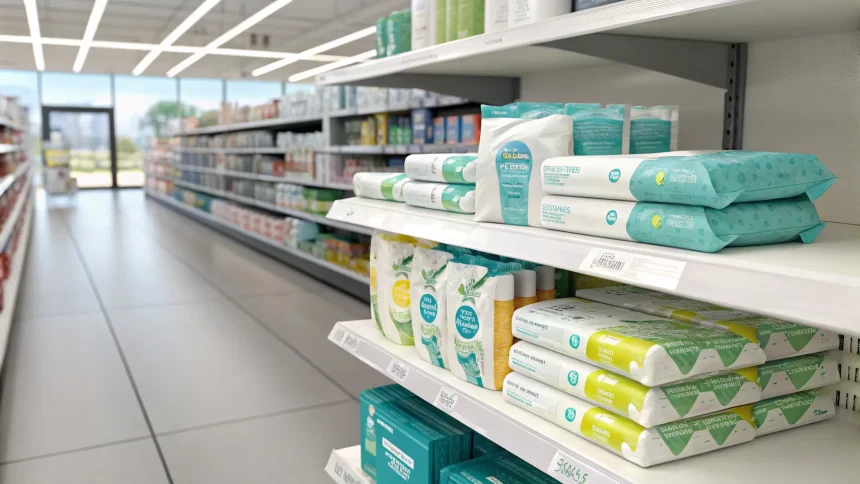
A new nationwide retail placement signals a push to reach millions of shoppers at once. The expansion puts a line of wipes on shelves across Target stores in the United States. The timing intersects with steady demand for wipes used for cleaning, baby care, and on-the-go hygiene. It marks a scale-up with clear stakes for pricing, supply, and consumer trust.
The wipes are sold at Target nationwide.
Why a national rollout matters
Placement across Target’s full store network gives a product immediate reach. It secures eye-level access for busy families who buy essentials during weekly trips. Shelf space also implies expectations for steady sales and reliable replenishment. That can influence how a brand plans production and promotions.
For shoppers, availability can curb out-of-stock frustrations. It can also encourage price competition as store brands and national names share the aisle. In large chains, even small price shifts can reshape what ends up in carts.
Context: Demand that didn’t fade
Wipes saw a surge during the pandemic. While the rush cooled, regular use stuck for many households. Parents rely on baby wipes and hand wipes away from home. Offices stock disinfecting wipes for shared desks. Schools and gyms keep canisters near doorways.
This steady demand keeps wipes near the front of household budgets. A national placement meets that daily need with consistent access. It also raises questions shoppers often ask about ingredients, packaging, and disposal.
What shoppers should look for
Labels carry details that shape safety and performance. Items aimed at hard-surface cleaning may list active disinfectants. Baby and personal wipes often highlight fragrance level and skin testing. Packaging may claim flushability or compostability, which comes with caveats.
- Purpose: Check if it is for skin, baby care, or hard surfaces.
- Ingredients: Sensitive skin may do better with fragrance-free options.
- Disposal: Most wipes should not be flushed, even if labeled as such.
- Certifications: Look for clear third-party marks where relevant.
Supply chain and price pressures
A coast-to-coast placement stresses logistics. Wipes are bulky and heavy when wet. That affects freight, storage, and costs. Packaging materials, such as plastic films, remain sensitive to oil prices. When inputs rise, retail prices often follow with a lag.
Target’s store brand presence can also shape pricing. Store brands often anchor the lower end of the shelf. National or niche brands must justify a higher price with features, performance, or sustainability claims. Promotions, multipacks, and loyalty discounts can shift the math week to week.
Health and environmental questions
Public health experts often remind buyers that not every wipe disinfects. Cleaning wipes remove dirt. Disinfecting wipes require proper surface contact time to work. Mismatched use can lead to poor results and wasted money.
On the environmental side, city utilities warn that most wipes do not break down like toilet paper. They can clog pipes and strain wastewater systems. Compostable claims apply only in the right facilities, not backyard bins in many regions. Clear instructions on packs can reduce confusion.
What the rollout signals for the brand
A national shelf presence can lift recognition fast. It can also trigger close tracking of sales per store per week. If sell-through lags, assortments get trimmed. If it jumps, the line can expand into new scents, sizes, or pack counts.
Brands often pair a rollout with digital ads and social coupons. Reviews on retailer sites can reinforce or challenge marketing claims. Consistent quality is key. A few poor batches can ripple through ratings quickly.
What’s next
Shoppers can expect price promotions during seasonal resets and back-to-school periods. Retailers may expand endcap displays if velocity climbs. Sustainability claims will face growing scrutiny from consumers and local governments.
For now, nationwide access offers convenience. The next test is trust. Clear labeling, steady supply, and fair pricing will decide whether this shelf win turns into a lasting habit for households across the country.