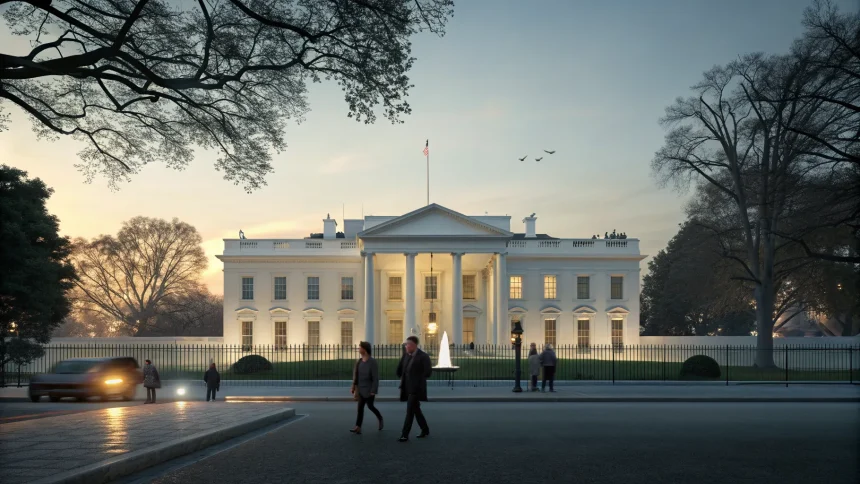
Washington is waiting. As of press time, the White House has not released specifics on a plan it has previewed, leaving federal agencies, state partners, businesses, and advocacy groups to prepare without a roadmap. The lack of detail raises questions about timing, scope, and how soon people will feel any impact.
The absence of basic contours—funding, timelines, responsible agencies, and metrics—makes it hard for decision-makers to plan. It also fuels speculation and heightens the risk of mixed messages as stakeholders read between the lines.
“The White House hasn’t yet offered any details on this plan.”
Why details matter now
Policy clarity shapes budgets, hiring, and contracts. State and local officials need lead time to align programs. Businesses weigh investments based on signals from Washington. Community groups plan outreach around eligibility rules and deadlines.
When details lag, planning slows. Agencies may draft contingency guidance that later needs revision. Vendors pause bids. Households delay choices that depend on new benefits or rules. Even modest uncertainty can create costs if it lingers.
How federal rollouts typically work
Major initiatives usually follow a familiar path. The White House announces goals and assigns leads across departments. Agencies draft guidance and, when required, propose rules for public comment. Budget documents and fact sheets fill in money, timing, and targets. Congress may need to authorize funding or adjust programs.
Sometimes the sequence flips. Leaders preview an idea to test support before releasing specifics. Interagency reviews can extend timelines if legal, budget, or operational concerns surface. In those cases, officials often offer interim markers to keep the public informed.
Signals to watch
While specifics are pending, several signals can reveal direction and timing:
- Scheduling of a formal briefing or fact sheet from the White House or lead agencies.
- Notices or proposed rules posted to the Federal Register.
- Updated budget materials that add or move funding for related programs.
- Agency guidance to states, grantees, or contractors outlining provisional steps.
- Coordination memos that assign roles across departments.
Stakeholder viewpoints
Policy analysts often warn that long gaps between an announcement and details can invite confusion. They argue that even a short outline—who is eligible, what is funded, and when actions start—helps stabilize planning.
State and local officials typically ask for clarity on cost-sharing and reporting. Without that, they risk building systems they may later need to redo. Business groups look for procurement timelines, compliance thresholds, and enforcement posture. Community advocates press for plain-language materials and translation plans so the public can act quickly once rules arrive.
Possible implications and next steps
If details arrive soon, agencies can move forward with standard timelines for guidance, comment periods, and implementation. A longer delay could push key milestones into later budget cycles, narrowing the window for results.
The open question is scope. A narrow plan might proceed through guidance alone. A sweeping one could require rulemaking or new money from Congress, adding months to the schedule. Clarity on this point will shape expectations.
For now, practical steps are clear. Agencies can prepare draft guidance. States can map current programs to likely scenarios. Organizations can collect questions to submit once comment periods open. These moves reduce later friction.
Silence can buy time for coordination, but it also carries costs. The public will be watching for the first official markers—briefings, budget lines, notices, and guidance—that turn a headline into a plan people can act on.