

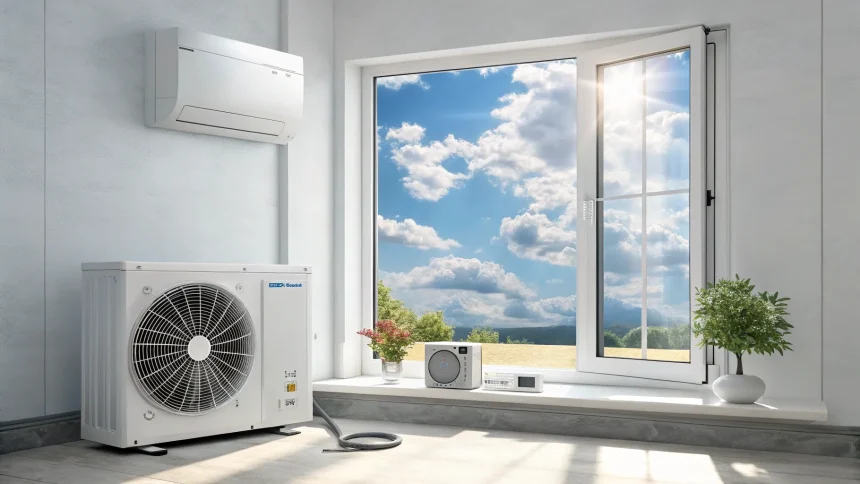
With hotter days arriving, households are bracing for bigger electric bills as rates rise and air conditioners run longer. The warning is clear and timely as the summer season begins and heat builds across many regions.
The concern is twofold. Power prices have edged up in several states, and forecasters expect longer, more intense heat waves. That one-two punch could make cooling costs jump for families and small businesses. Utility planners are also preparing for heavy demand on the grid during peak afternoon hours.
“The temperature is climbing, and so are people’s utility bills.”
“Rising electricity prices and hotter-than-usual weather could make it especially costly to stay cool this summer.”
Why bills may rise faster than the mercury
Electricity rates reflect fuel costs, investments in wires and plants, and extreme weather risk. Over the past few years, natural gas prices have swung sharply, affecting wholesale power. At the same time, utilities have upgraded lines and equipment after storms, expenses that feed into rates over time.
Heat adds a second pressure point. When temperatures spike, air conditioners and heat pumps work harder. Even small increases in daily highs can boost cooling demand in the late afternoon, when prices are often highest. Households that use tiered or time-of-use plans can see larger jumps if heavy use hits peak hours.
Strain on the grid and how utilities prepare
Grid operators plan for summer peaks months in advance. They line up capacity, schedule maintenance in spring, and hold reserves for extreme days. When heat settles in for a week or more, demand can climb to the highest levels of the year.
To keep supply and demand balanced, providers may issue conservation alerts, asking customers to shift use away from late afternoon. Some utilities offer smart thermostat programs that raise set points a few degrees during peaks, with bill credits in return. These steps aim to reduce the chance of outages and temper wholesale prices.
Who feels the pinch first
Renters in older buildings often face the toughest choices. Units may lack modern insulation or efficient cooling. Mobile homes and small apartments on upper floors can heat up fastest, pushing round-the-clock cooling. Fixed-income households are also at higher risk, as even modest rate hikes can strain budgets.
Small businesses with long hours and open doors, such as shops and restaurants, will see higher loads too. Cold storage, cooking equipment, and comfort cooling can combine into heavy afternoon use.
What households can do now
Experts suggest pairing simple habits with low-cost upgrades. Small changes can shave peak use and cut total kilowatt-hours without sacrificing comfort.
- Set thermostats a few degrees higher when away or sleeping.
- Run major appliances in the morning or late evening.
- Close blinds during the hottest hours; use fans to move air.
- Swap clogged HVAC filters and seal obvious air leaks.
- Check for bill assistance or time-of-use plans that fit your routine.
For those who can invest more, duct sealing, attic insulation, and heat pump upgrades can reduce summer and winter costs. Many regions offer rebates for efficient equipment and smart thermostats, which can pay back over time.
Signals to watch as summer unfolds
Several markers will shape bills in the weeks ahead. High-pressure systems that park over large areas tend to drive longer runs of extreme heat. If those patterns repeat, demand will stay high. Wholesale prices often follow.
Policy and relief programs also matter. Summer rate plans, energy credits, and emergency funds can cushion spikes for the most vulnerable. Communication from utilities—alerts, outage maps, and peak-hour guidance—helps customers plan and avoid surprises.
For now, the message is straightforward. Expect higher cooling demand and be ready for elevated rates. Simple steps taken early can blunt the impact and reduce stress on the grid. As heat builds, watch for utility alerts, manage peak-hour use, and look into programs that reward flexibility. That approach can keep homes cooler, bills steadier, and the system more reliable during the hottest days.