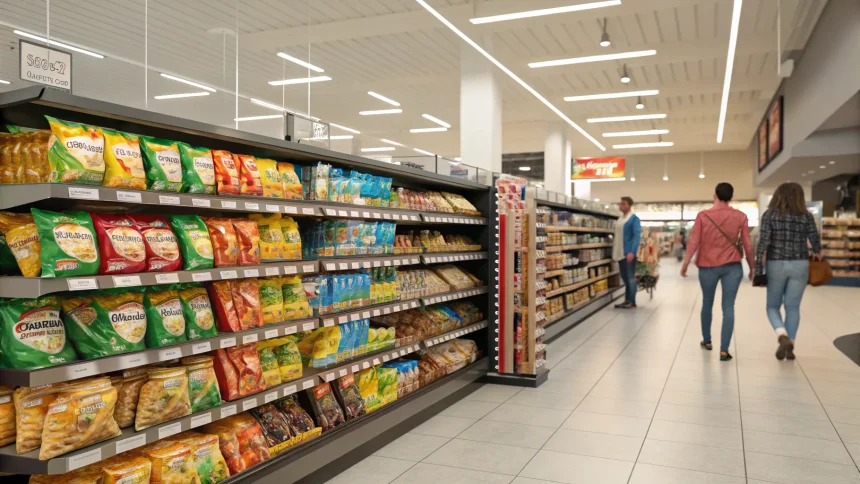
A major snack maker signaled a tactical shift this week, saying it plans to lower or hold chip prices to regain shoppers squeezed by higher costs. The move comes after a period of steady increases that tested household budgets and fueled trade-down to store brands. Retail buyers and consumers are watching to see whether promotions return, pack sizes stabilize, and trust is rebuilt.
The company wants to win back price-strapped chip consumers after years of raising prices.
The statement points to a broader rethink in packaged foods. Snack makers rode a wave of demand and higher input costs. Now, they face softer volumes and rising competition from private labels. The strategy shift suggests pricing power is fading, and value messaging is back.
How chip prices climbed and shoppers pushed back
Over the past few years, brands lifted prices to offset higher costs for oil, corn, potatoes, packaging, and transport. Many also shrank pack sizes. That left shoppers paying more for less. Budget fatigue set in as families reprioritized essentials and cut discretionary snacks.
Grocery buyers reported more sensitivity to deals. Store brands gained shelf space and share as their price gaps widened against national brands. Discount chains and club stores leaned on bulk offerings and low everyday prices. The result was slower growth for many big snack labels, despite higher ticket prices.
What a pricing reset could look like
Industry buyers expect the company to mix several tactics rather than slash list prices overnight. Retailers prefer steps that protect margins while restoring value signals on the shelf.
- Deeper, more frequent promotions tied to sporting events and holidays.
- Larger “value” bags with clearer per-ounce savings.
- Fewer shrinkflation changes and more stable pack sizes.
- Everyday price reductions on select core flavors to narrow gaps with store brands.
- Bundled deals across dips, salsas, and beverages to lift baskets.
If executed well, these moves could lift unit sales without eroding brand equity. But the company must avoid training shoppers to wait only for deals. Retail partners will also push for funding that supports in-aisle visibility and endcap placement.
Retailers and rivals weigh the trade-offs
Grocery chains welcome any plan that revives foot traffic. Yet they will seek balance between promotions and sustainable list prices. Heavy discounting can trigger a price war that hurts smaller brands. Private labels may respond with their own features, coupons, and sharper opening price points.
Category managers say the early winners will be brands that pair price relief with quality cues. Clear labeling of ingredients and a focus on flavor innovation help justify premium tiers, even as entry prices ease.
Consumer trust is the decisive factor
Shoppers have long memories when budgets are tight. Rebuilding trust means more than a sale tag. It means transparency on pack sizes, fewer surprise changes, and honest value. Clear per-ounce pricing and visible comparisons can help restore confidence.
Marketing should reflect that reality. Ads that acknowledge tighter budgets and offer practical savings tips will resonate more than flashy campaigns. Loyalty program rewards, digital coupons, and family-size bundles can meet that need without overcomplicating the shelf.
What to watch next
Signals of progress will show up in unit trends, not just revenue. Watch for steadier volumes across core flavors and formats. Track how often value packs appear in circulars and whether average promotional depths increase. Retailers will also monitor whether private label share holds or slips.
If results improve, more snack makers may follow with similar resets. That could mark a broader turn from price-led growth to volume recovery built on value and trust.
The company’s message is clear. It plans to earn back households that cut chips from their carts. Success depends on consistent pricing, fair pack sizes, and credible value. If the strategy sticks, shoppers could see fuller aisles, sharper deals, and a calmer snack market in the months ahead.