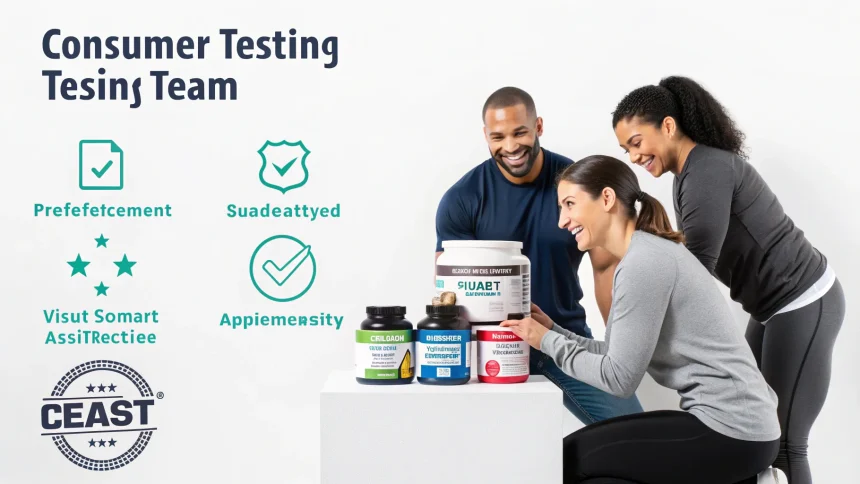
A consumer testing team is steering shoppers to creatine products they say stand out right now, offering guidance in a crowded supplement aisle. The group shared fresh recommendations as interest in strength and recovery aids keeps rising, and buyers ask which options are safe, effective, and worth the price.
The team did not disclose brand rankings in the initial announcement, but emphasized performance, purity, and label accuracy as key factors. Their timing reflects growing use of creatine by lifters, runners, and recreational athletes who want reliable results and fewer additives.
“Browse our testing team’s favorite creatine options on the market right now.”
Why Creatine Draws Interest
Creatine has long been a staple for people seeking gains in power and muscle mass. Many studies suggest creatine can support short bursts of high-intensity effort and help with training volume. Coaches often recommend it during strength cycles or return-to-training periods.
Most users choose creatine monohydrate. It is widely studied and typically more affordable than newer formats. Some companies promote alternate forms, yet the core promise—a steady daily dose and consistency over weeks—remains the same.
Safety is a frequent question. Health professionals often note that healthy adults using standard daily amounts tend to tolerate creatine well, though some report bloating or water retention early on. People with kidney conditions are usually advised to consult a clinician before use.
How Products Were Evaluated
The testing team’s approach centers on trust and repeatable results. Reviewers prioritized third-party screening for contaminants and accuracy in serving size. They compared ingredient panels, looked at solubility in cold water, and reviewed flavor claims for flavored versions.
Value also mattered. Reviewers assessed price per serving and checked whether “extras,” like electrolytes or added amino acids, inflated cost without clear benefit. Packaging and scoop accuracy were checked to see if a typical user could hit the intended dose each day.
Experts often point to a few benchmarks for a solid creatine buy. These include a single active ingredient, clear dosing around a daily maintenance level, and independent testing seals.
What Consumers Should Look For
Shoppers can reduce guesswork by focusing on basic quality markers. The testing team stressed a simple checklist for better choices:
- Type: Creatine monohydrate remains the most researched form.
- Purity: Look for third-party certifications, such as NSF Certified for Sport or Informed Choice.
- Label accuracy: One ingredient, no proprietary blends.
- Dose: A daily serving in the 3–5 gram range is common.
- Solubility: Fine powder that mixes well in water.
- Price per serving: Compare cost against purity and testing.
Flavor is personal. Many athletes still pick unflavored powder to mix with shakes or juice. Capsules can help with convenience, though they may raise cost per serving and require multiple pills to reach a daily dose.
Balancing Hype and Evidence
The supplement aisle can overwhelm even seasoned athletes. Marketing claims often outpace research, which is why independent testing plays an important role. Dietitians often recommend starting with proven basics before exploring add-ons.
Hydration and sodium intake can influence how people feel when starting creatine. A gradual introduction—skipping aggressive loading phases—may reduce early stomach upset for some users. Consistency matters more than speed.
For teens and competitive athletes, rules and age guidance can vary by team or event. Coaches and parents should review program policies and seek medical advice if unsure.
Market and Regulatory Outlook
Creatine demand has remained strong across gyms, college programs, and home fitness users. That demand attracts new labels every year. Quality varies, and mislabeling has been a recurring industry issue in supplements at large.
Consumer advocates call for stronger oversight and clearer testing disclosures. Many buyers now look for visible certification badges and batch numbers on tubs for added assurance. Retailers are also giving more shelf space to products with independent testing.
The testing team’s short list reflects that trend. Products that keep formulas clean and publish verification results are gaining an edge with educated shoppers.
The latest recommendations aim to make buying creatine simpler and safer. Readers can use the checklist to filter claims and focus on proven basics. As more brands enter the space, expect testing and transparency to influence which products win trust. For now, steady dosing, third-party screening, and fair pricing remain the signals to watch.