

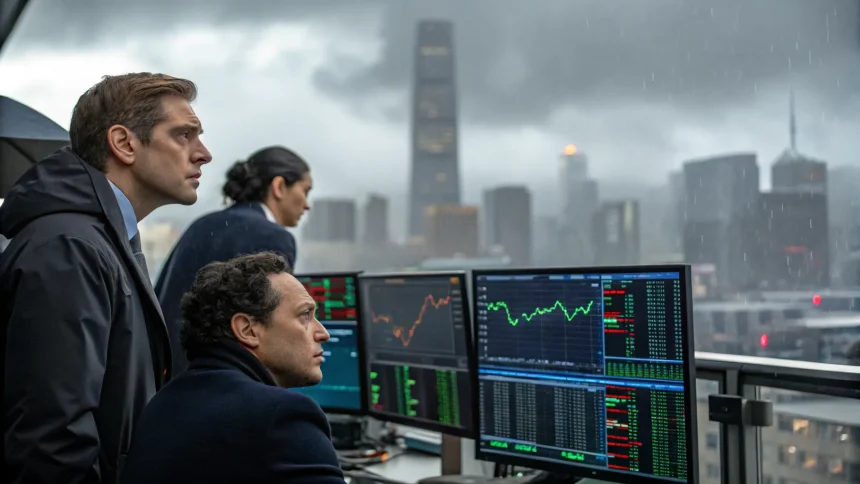
Fresh friction between Iran and the United States rattled investors on Wednesday, knocking Asian stock indexes into the red and setting up a soft start for European trading. The pullback highlights how quickly geopolitical risk can ripple across markets, shifting money into energy and safe-haven assets while pressuring equities and cyclical sectors.
“Tensions between Iran and the U.S. on Wednesday sent Asian stocks lower overnight, and European equity markets look set to follow suit.”
The reaction came as traders weighed the risk of supply disruptions, higher fuel costs, and weaker corporate sentiment. While details remain fluid, the market’s first move has been to reduce risk, favor cash and defensive positions, and watch energy prices for clues on the next leg.
Geopolitics hits markets overnight
Equities in Asia fell as investors rotated away from growth-sensitive names. Financials and consumer shares were under pressure, reflecting concern about slower spending and tighter financial conditions if uncertainty lingers. Futures pointed to a weaker open in key European benchmarks, signaling that the caution is set to continue.
Strategists say the pattern is familiar. When tension rises in the Middle East, traders often trim exposure to airlines, travel, and shipping, while energy producers find support. Defense stocks can also gain as governments revisit procurement plans. The flight to safety can lift gold, the U.S. dollar, and, at times, the Japanese yen and Swiss franc.
Energy, currencies, and safe havens
Oil is the pressure valve for conflict risk in the region. Even modest fears about supply routes can nudge prices higher. That can feed into headline inflation, complicating the path for central banks that are weighing rate cuts against sticky prices. Higher energy costs can also erode margins for manufacturers and transport firms.
Currency markets often reflect the defensive tilt. A stronger dollar can tighten global financial conditions, adding strain to emerging markets that borrow in dollars. If rates fall elsewhere, yield differentials can widen, pulling capital into U.S. assets. At the same time, gold tends to benefit as a hedge when policy and growth outlooks look less certain.
What history suggests
Market playbooks formed during past flashpoints offer a guide, not a guarantee. During earlier flare-ups between Washington and Tehran, oil rallied first, airlines lagged, and investors sought out defensive sectors like utilities and health care. Yet the duration of the shock mattered more than the first-day move. Short-lived standoffs often reversed within days as traders bought the dip. Longer episodes kept volatility high and pressured global growth expectations.
The bond market’s response has also been a key signal. When government bond yields fall on safety buying, equity risk premiums rise, often dragging stock indexes lower. If yields later stabilize, equities can find a floor. That dynamic will shape how European and U.S. sessions digest the overnight declines.
Competing views on what comes next
Some investors argue the selloff could be brief if rhetoric cools and supply routes remain open. They point to healthy corporate balance sheets and the chance that central banks keep rate-cut options alive if growth softens. Others warn that any escalation could fuel a longer spell of volatility, with energy-sensitive inflation delaying policy easing and squeezing consumers.
Portfolio managers are split on strategy. A cautious camp favors adding quality, dividend payers, and selective energy exposure while trimming travel and discretionary names. A more optimistic camp sees opportunity in oversold technology and industrials once headlines calm.
What to watch
- Oil prices and shipping rates for signs of supply stress.
- Moves in gold, the U.S. dollar, yen, and Swiss franc as risk gauges.
- Airline and transport stocks for demand and fuel-cost pressures.
- Government bond yields for safety flows and growth expectations.
- Central bank commentary on inflation risks tied to energy.
For now, the market’s message is simple: risk is being repriced. The depth and length of that shift will depend on political signals and any impact on energy supply lines. If tensions ease, dip-buying could support a rebound. If they build, higher oil and lingering uncertainty could keep equities on the back foot.
Investors will look for clarity in the coming sessions. Clearer policy guidance, stable shipping routes, and steady energy prices would help calm nerves. Without that, the flight to safety may continue, and Europe’s weak open could set the tone for the rest of the week.