

A newly identified online effort tried to inflame public anger over rising energy costs and the arrival of data centers in local communities, according to OpenAI. The company says the activity targeted civic debates where residents are weighing jobs and tax revenue against strain on power grids, water supplies, and neighborhoods.
OpenAI did not name the organizers, but described a campaign that latched onto hot-button issues already facing residents and officials. The finding lands as cities and utilities across the United States and Europe weigh a surge in demand from artificial intelligence infrastructure.
OpenAI said the effort “sought to exploit and amplify existing public concerns about energy prices and local impacts of data center development.”
Why data centers are under the microscope
Data centers are the warehouses of the internet, filled with servers that power search, cloud software, and AI training. They draw large amounts of electricity and often require substantial water for cooling. As AI grows, so does the appetite for power and land.
Energy analysts report a jump in forecasts for data center demand. The International Energy Agency estimates global data center electricity use could double by the middle of the decade, depending on AI adoption. Local officials are scrambling to plan for new substations, transmission lines, and water supplies.
Residents see both promise and risk. New sites can bring tax revenue, high-paying jobs, and long-term leases. They can also raise concerns over noise, truck traffic, water withdrawals, and who bears the cost of grid upgrades.
The playbook: turning real worries into outrage
OpenAI’s description fits a pattern seen in recent influence campaigns: take genuine issues and push them into an echo chamber of fear. Energy bills are already a pocketbook issue. The siting of large industrial projects often divides communities. That mix is ripe for manipulation.
Researchers who track online manipulation say these efforts often rely on simple tactics. They use local-looking pages, repeat the same talking points, and flood comment sections during permitting or zoning hearings. Content may mix accurate facts with misleading claims.
- Focus on real stress points, such as price spikes or water use.
- Circulate viral posts timed to public meetings or key votes.
- Amplify conflict to erode trust in local officials and media.
What is at stake for cities and ratepayers
For utilities, the risk is planning errors. Underestimating demand can cause congestion and delay new connections. Overestimating can saddle ratepayers with unused infrastructure. For mayors and county boards, the challenge is negotiating community benefits while protecting resources.
Industry groups argue data centers can be built with tighter efficiency standards, recycled water, and on-site renewable projects. Some developers sign long-term power purchase agreements to support new wind and solar capacity. Critics counter that these steps do not always match the site’s real-time impact on local grids and aquifers.
Public health experts urge clear disclosures on noise levels, diesel backup generators, and air quality during construction. Labor advocates focus on training programs so local workers can fill the skilled jobs these facilities require.
Guardrails against manipulation
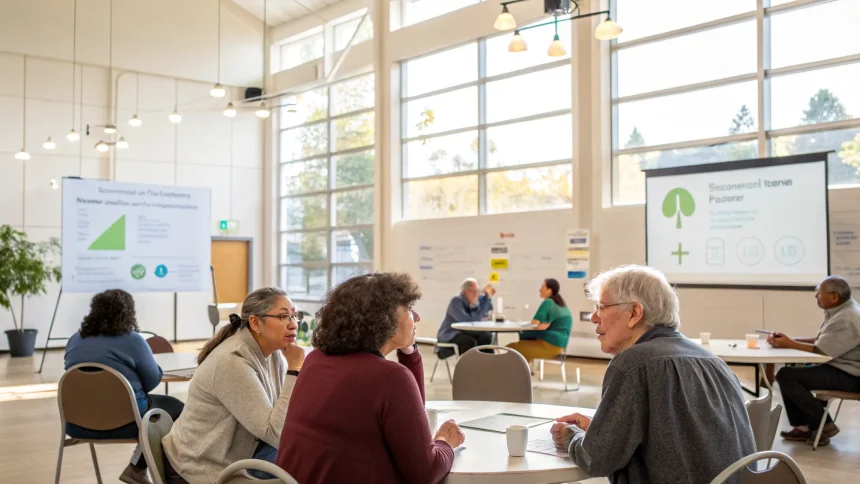
OpenAI’s notice is a reminder that civic debates are targets for online manipulation. Communities can reduce the noise by setting a firm baseline of facts and process.
Practical steps officials and residents can take:
- Publish plain-language impact summaries on power, water, noise, and traffic.
- Host Q&A sessions with utilities, planners, and independent engineers.
- Require developers to share efficiency metrics and cooling plans.
- Track and disclose who funds advocacy groups active in the debate.
- Encourage local media to link claims to primary documents and filings.
Reading the numbers, not the memes
Data can cool heated arguments. Utilities can model expected load growth with and without a proposed project. Planners can quantify tax revenue and compare it with road or grid upgrades. Water authorities can publish monthly drawdowns and seasonal limits.
Comparisons to existing sites can help. How did a similar facility perform on energy efficiency or noise? Did promised jobs and community benefits arrive on time? Case studies, even from other regions, offer a check on rosy projections and worst-case fears.
What comes next
OpenAI’s warning is likely not the last. As AI investment accelerates, more communities will face choices about where and how to build. The best guardrail is transparency backed by verifiable data.
The trade-offs are real. Electricity demand is rising. Residents want growth that does not raise bills or drain local resources. Clear disclosures, strong permitting rules, and open meetings can keep decisions anchored in facts rather than viral posts.
Expect more scrutiny of how online campaigns target local planning fights. Watch for clearer standards on energy efficiency, water use, and community benefits agreements. The decisions made now will shape power systems and neighborhoods for decades.