Ford has issued two recalls for nearly 1.74 million vehicles in the United States over rearview camera display problems that could raise the chance of a crash. The action affects a large share of the company’s recent models on American roads. It signals fresh pressure on automakers to ensure that safety features work as intended at all times.
The company said it is moving to correct failures that keep cameras from showing the rear image while a driver is backing up. The recall spans the U.S. market and involves two separate issues. Ford plans to notify owners and offer repairs at no cost.
“Ford has issued two recalls affecting nearly 1.74 million of its cars in the U.S. because of problems with the vehicles’ rearview camera displays that could increase crash risks.”
What is at stake
Rear visibility is a core safety need during parking and low‑speed maneuvers. Backup cameras help drivers see people, pets, or objects behind the vehicle. When a display goes dark or freezes, the driver loses that extra view and may rely only on mirrors or turning around. That gap increases the odds of a collision, especially in tight spaces or crowded lots.
Federal safety rules require most new passenger vehicles to include a functioning rearview camera. The goal is to reduce back‑over crashes, which can cause injuries to children and pedestrians. Automakers must keep these systems working and fix them when they fail.
How the company is responding
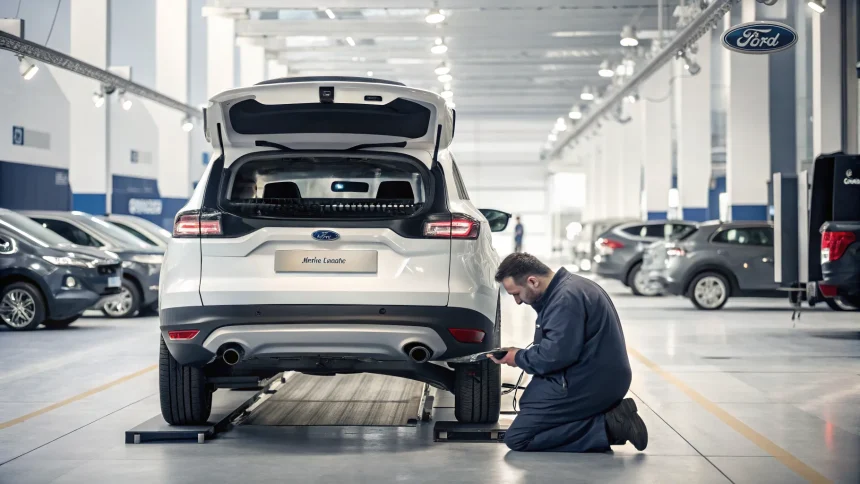
Ford is issuing two recall campaigns to address the camera display faults. Owners will receive notifications with instructions on next steps. Dealers are expected to inspect the affected systems and repair or replace parts as needed. Software updates may also be part of the fix, depending on the vehicle and the failure mode.
While Ford did not detail models in this announcement, the size of the action suggests it touches several nameplates from recent model years. Large recall totals can strain service capacity. Still, timely fixes help reduce risk and restore driver confidence.
Impact on drivers and dealers
For owners, the immediate issue is safety and convenience. A working camera supports safer parking in homes, schools, and shopping areas. For dealers, the recalls create a short‑term surge in service visits. That means longer appointment times in some regions. It also creates an opportunity to check for other open campaigns during a single visit.
- Check your mailbox and online owner account for a recall notice.
- Schedule a service appointment as soon as the parts or software are available.
- Use added care when reversing until the repair is complete.
Safety record and wider context
Large safety actions are common in the auto sector, and camera issues have drawn heightened attention. As vehicles add more screens and software, small faults can have large effects. A simple connection problem or failed module can blank a display at the wrong time. That risk drives closer monitoring by regulators and automakers.
Rear camera technology is now standard on most vehicles. It has reduced blind zones for many drivers. But it is only one layer of safety. Drivers still need to look around the vehicle and move slowly when backing up. The camera should support, not replace, careful driving.
What happens next
Ford will begin owner notifications and roll out repairs. The company will report progress to federal safety officials. Owners should keep their contact details current to avoid delays. Those experiencing display problems now should reach out to a dealer to confirm coverage and next steps.
This recall is a reminder that even common safety tech can fail. The fix is straightforward once parts and appointments are set. The larger question is reliability over time as vehicles rely more on integrated screens. Watch for software patches and quality checks to play a growing role in future recalls.
For now, the key takeaway is simple: schedule the repair and use extra caution when reversing until the camera display is restored.