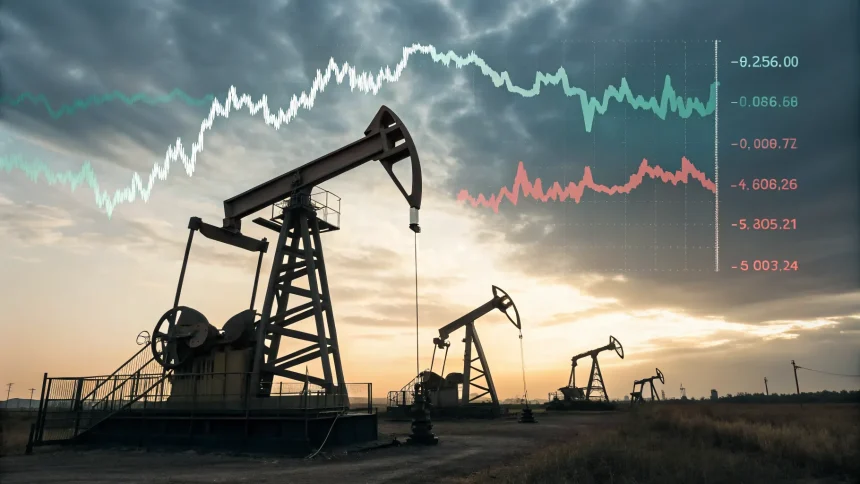
Oil rose and U.S. stocks retreated as Iran pressed for ship tolls in the Strait of Hormuz and a five-day ceasefire backed by President Donald Trump neared its end. The twin pressures hit markets on Monday, sharpening worries over trade flows and regional stability at one of the world’s most important energy chokepoints.
Traders cited rising freight costs and supply risk. The S&P 500 dipped as energy shares advanced and rate-sensitive sectors lagged. Safe-haven buying lifted the dollar and short-term Treasury prices.
“Oil prices rose and the S&P 500 slid as Iran demands toll from ships allowed through the Strait of Hormuz and President Trump’s 5-day ceasefire winds down.”
Why the Strait Matters
The Strait of Hormuz connects the Persian Gulf to global markets. It handles a large share of seaborne crude and liquefied natural gas. Any added cost, delay, or threat to passage can move prices within hours.
Shippers watch insurance rates, which can jump on new risks. Even hints of restricted transit can lift crude benchmarks. Refineries then pass on higher input costs, pressuring margins and, if sustained, retail fuel prices.
Past flare-ups in the waterway have triggered brief spikes followed by partial retreats. Markets often swing first on headlines, then adjust as details emerge on actual flows and enforcement.
Market Reaction and Sector Moves
Energy producers and service firms gained on the price lift. Airlines and transport stocks fell as investors modeled higher fuel expenses. Consumer sectors were mixed, reflecting concern about disposable income if pump prices rise.
Portfolio managers trimmed risk in cyclical names and added exposure to cash-generating large caps. Options markets showed a rise in short-dated implied volatility, signaling demand for near-term hedges.
- Oil up on transit risk and added fees.
- S&P 500 lower, with energy outperforming.
- Airlines and shippers under pressure on fuel and freight costs.
Iran’s Toll Demand and Shipping Costs
Iran’s push to charge ships for passage raises legal and logistical questions. Transit fees could be challenged under maritime norms, yet shippers often pay if it reduces risk or delay. The key test is consistency and enforcement.
Charterers may face higher war-risk premiums and routing changes. Longer voyages to avoid flashpoints add days and costs. For crude buyers, that can mean tighter prompt supply and a wider spread between near and later delivery.
Some shipowners could pause sailings until fee schedules and protections are clear. Even short pauses can slow loading programs and support prices.
Ceasefire Clock and Geopolitical Risk
The nearing end of the five-day ceasefire adds uncertainty just as shipping rules face new demands. Traders tend to price worst-case scenarios when time is short and clarity is low.
If the pause holds or extends, markets may give back part of the risk premium. If it lapses, insurance costs and strategic stock draws could rise. Governments often move naval assets to steady flows, but that also raises the chance of miscalculation.
What to Watch Next
Three signals will guide the next leg: actual ship movements through the strait, confirmed fee collections, and any extension of the ceasefire. Real-world cargo data and insurance quotes will show whether risk is rising or easing.
Refinery runs and inventory reports will indicate if higher prices are curbing demand. Currency moves will also matter, since a stronger dollar can weigh on commodity buying.
The day’s moves reflect an old lesson: price shocks start with passage risk and policy deadlines. Clear transit rules and a longer pause could calm trading. A breakdown could push oil higher and test equity valuations. For now, investors are paying for protection and waiting for ships—and politics—to set the next course.