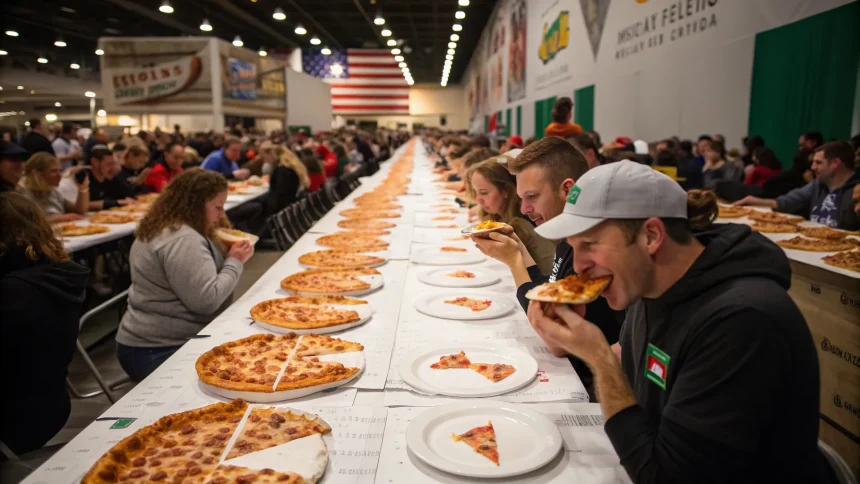
A crowd of more than 10,000 pizza fans sampled pies from over 40 shops tied to Dave Portnoy’s picks, signaling the reach of online food rankings across the United States.
The effort brought diners to pizzerias highlighted by Portnoy, a media figure known for rating slices in short videos. It stitched together far-flung audiences and small businesses with a simple promise: try the pies you have seen on your phone.
The turnout points to a larger shift in how diners choose where to eat. Social media taste-makers can now move real foot traffic, not just likes.
Background: How online reviews moved from screens to storefronts
Portnoy, the founder of Barstool Sports, built a following with “one bite” pizza videos. His on-the-spot scores, delivered outside storefronts, have become a guide for many fans hunting for a worthy slice.
During the pandemic, his visibility in the pizza world grew, as many independent shops fought to survive. That period taught owners the value of digital word of mouth. A strong mention online can bring a rush of new customers, even for a single day.
What once lived on YouTube or TikTok now translates into real lines and sold-out nights. The recent tasting shows how a list of favorites can trigger travel, meetups, and new spending in local neighborhoods.
Inside the surge: What the numbers suggest
“More than 10,000 people from across the country tried out more than 40 of Dave Portnoy’s favorite pizzerias.”
That simple statement reflects a coordinated interest in specific shops. It signals reach across states, not just one city. It also hints at repeat visits if diners admire what they taste.
For small operators, a bump like this can lift weekly revenue and reduce slow periods. Some owners report same-day spikes after viral reviews, driven by travelers and locals willing to wait.
But the rush brings pressure on kitchens and staff. Shops must manage wait times, inventory, and quality control under a brighter light.
What owners and diners say
Fans often credit these lists for helping them find “classic” slices in new cities. They enjoy the shared ritual of lining up, rating their own bites, and posting their verdicts.
Owners are more cautious. They welcome new faces but worry about short-lived hype. A single score can shape expectations for months, even if the shop’s style or price point does not fit every palate.
Some critics question the power of one voice in a city’s food scene. They argue that long-standing local guides and neighborhood word of mouth also deserve attention. Yet the turnout shows that viral picks now sit beside those older guides in many diners’ minds.
Economic ripple effects
When thousands of people act on a list, nearby businesses feel it too. Bakeries, coffee shops, and corner stores close to the featured pizzerias can see extra traffic before and after the slice run.
Tourism boards and city marketers track this pattern. Food maps, pizza trails, and weekend tasting routes help visitors plan and spread out across neighborhoods. The recent surge fits that model and may encourage new city-backed pizza events.
Turning hype into habit
The big question for small shops is how to convert a viral rush into steady trade. Operators and consultants point to a few practical steps:
- Capture emails or loyalty sign-ups at the register.
- Feature limited-time slices that bring guests back.
- Post clear wait times and sell-out alerts to manage lines.
- Partner with nearby stores for cross-promotions.
Shops that plan staffing and prep for peak hours protect quality. Those that communicate early and often keep first-timers from becoming one-time visitors.
What to watch next
If more national tastings form around viral lists, cities could see periodic waves of pizza tourism. That would test supply chains for key ingredients, from cheese to flour, during short bursts.
It could also spark debates over who defines “the best” slice in a town. Expect more local guides to publish rival lists, more festivals built around styles, and more data shared by ordering apps about spikes and return visits.
The latest turnout shows that a single quote can mark a real-world movement. For pizzerias, the moment is both a stress test and a chance. The shops that plan for the rush and invest in return visits are likely to hold the gains long after the lines fade.