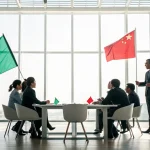
A candid remark from a program moderator has stirred a broader conversation about geopolitical literacy and how it is measured. The comment came after a review of last year’s assessment, where participants struggled with questions on global affairs. Organizers say the results will shape how this year’s event is planned and taught.
“We asked a handful of geopolitical questions last year. It wasn’t your strongest subject.”
The assessment, held annually, spans several knowledge areas. Geopolitics, a smaller section, emerged as a clear pain point. Educators involved with the program say the weaker performance reflects a wider trend, where global topics get less daily attention than local or tech-focused subjects. The concern is practical: current events abroad can change markets, security, and supply chains at home.
What the remark reveals
The moderator’s short statement carried weight because it flagged a gap that organizers did not expect to see so clearly. It also hinted at a curriculum mismatch. Participants were prepared for domestic policy and economics but struggled with questions on alliances, regional conflicts, and energy routes.
Several coaches say the issue is not a lack of interest. It is the pace of change. Country alignments shifted over the last year, and elections abroad altered trade and defense priorities. Without routine updates, learners were tested on events that moved quickly since their last study cycle.
Why geopolitical literacy matters
Global issues reach local lives. Supply disruptions, commodity price swings, and sanctions can ripple through wages and prices. For many programs, that link often appears only after an exam has exposed it.
Instructors argue that geopolitical knowledge helps people weigh policy claims and read headlines with more care. It also gives context to technology and energy debates. A missed question on a shipping chokepoint, for example, can mask larger lessons about risk and resilience.
Where performance fell short
Organizers did not release detailed scores, but they described the pattern. Questions on the structure of major alliances drew mixed answers. Items on recent border clashes and cease-fires were another stumble. Trade rules and export controls, especially in high-tech goods, tripped up many test-takers.
One coach said the format played a role. The section used short, fact-heavy prompts. That format rewards habit and routine reading. Without that, recall becomes guesswork. Another instructor noted that some participants focused on domestic policy debates and treated foreign affairs as a bonus topic, which hurt their timing and confidence.
Different views on the cause
Educators offered varied explanations. Some pointed to content overload and limited time. Others faulted siloed study plans that separate economics from security, or energy from diplomacy. A few participants said the exam was fair but came at a busy point in their schedule.
Program staff said the goal is not to assign blame. The review aims to adjust reading lists and practice sessions so that global topics are not an afterthought. They added that the section will remain in the assessment because it reflects real-world demands.
What could change this year
Organizers are weighing several tweaks to support learners before the next test window. While final decisions are pending, instructors described likely steps.
- More frequent briefings on fast-moving events and alliances.
- Short practice drills on maps, trade routes, and security blocs.
- Case studies that link supply chains to regional conflicts.
- Integrated modules that connect policy, energy, and technology.
Coaches also plan to stress source variety, asking learners to compare official reports, respected international outlets, and non-partisan think tank summaries. The aim is to build habits that stand up to shifting facts.
A look ahead
The next assessment cycle is expected to place similar weight on global topics. Organizers say they want consistency so they can track progress year over year. That continuity could help show whether the new focus pays off.
For participants, the message is clear. Geopolitics is no longer a niche corner of the exam. It is a core test of how well they can link distant events to practical outcomes. As the moderator put it, last year’s performance left room to grow. This year will test whether the program’s changes, and new study habits, can close the gap.
The review ends where it began—with urgency. The world moves fast, and the costs of missing a key shift can be high. Expect tighter study plans, more current examples, and a sharper view of how global currents shape daily life. The next scorecard will show if those steps make a measurable difference.