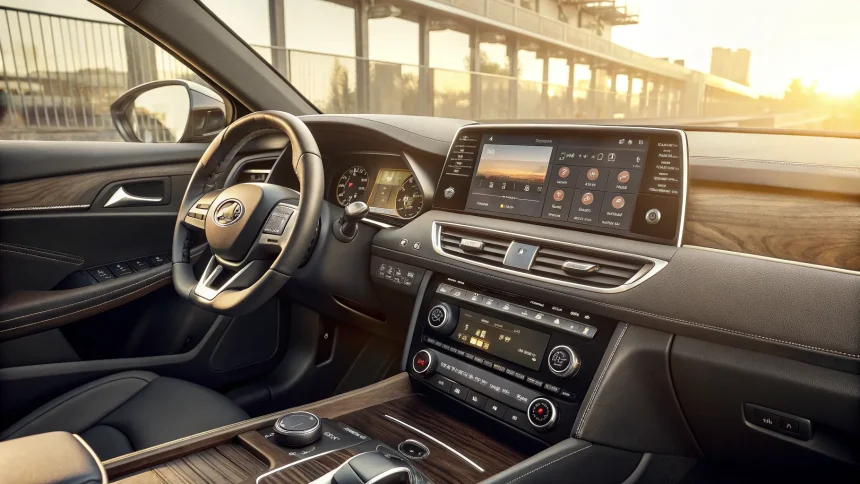
China has moved to curb touch-only car controls, setting new safety rules that require physical buttons for key driving functions. Regulators say the shift aims to cut driver distraction and reduce confusion caused by minimalist cockpit designs made famous by Tesla. The change will affect new models approved for sale across the country.
The guidance is poised to reset how carmakers design dashboards for one of the world’s largest auto markets. It could force global and domestic brands to rework steering controls, gear selection, and wiper and hazard operations. The rules arrive as competition in electric vehicles, software features, and large infotainment screens has intensified.
It makes China the first country to outlaw designs first popularised by Elon Musk’s Tesla.
Why regulators are acting now
Safety officials have warned that touch-heavy interfaces increase the time drivers look away from the road. Over recent years, automakers have removed stalks and knobs in favor of steering wheel touch pads and on-screen menus. Tesla pushed the trend by centralizing most functions on a large display and removing turn-signal stalks and the traditional gear lever on some models.
Chinese standards bodies have been reviewing cockpit ergonomics alongside the rapid growth of battery-electric cars. Domestic EVs often feature expansive screens and software-driven controls. Regulators say certain tasks must be available without navigating menus or swiping on glass while the vehicle is moving.
What the rules change in the car
The new requirements, according to industry notices, focus on functions that matter most in an emergency or during frequent use. They are expected to apply to new model approvals and refreshes, prompting design changes over the next product cycles.
- Dedicated physical control for windshield wipers and defogging/defrost
- Prominent, tactile hazard light switch
- Horn activation via the center of the steering wheel
- Conventional turn-signal operation with a lever or equivalent tactile control
- Clear, physical gear selection method that does not rely on a touchscreen swipe
Automakers can still offer large infotainment displays and voice commands. But the core driving tasks must have hardware controls that are easy to find by feel. The rules mirror guidance in several safety studies that stress muscle memory and tactile feedback.
Industry reaction and possible redesigns
Global brands with minimalist interiors will face the biggest changes. Tesla may need to add or reinstate stalks or buttons on Chinese-market versions of certain models. Domestic makers that followed similar layouts will also need adjustments. Suppliers of steering columns, switches, and human–machine interface modules could see a lift in orders.
Some designers argue that software updates and smart voice assistants reduce distraction. Others counter that physical redundancy is vital when screens freeze or voice systems fail to hear commands. A senior engineer at a major supplier said the rule “codifies common sense” by keeping safety-critical inputs off the screen.
What this means for drivers and the market
The new standard could ripple beyond China. Europe has been debating similar limits on touch-only controls for indicators and wipers. U.S. regulators have scrutinized driver workload but have not banned touch-exclusive designs. China’s move may push global platforms to adopt a common hardware baseline to avoid region-by-region variants.
For drivers, the change should make urgent actions faster and more consistent between brands. Insurance and safety groups have long pressed for simpler, familiar controls. If crash and distraction data improve, other countries could follow with their own rules.
Data points and trends to watch
Analysts will track recall notices, customer satisfaction, and crash reports related to control confusion. They will also watch how quickly new models add buttons and stalks, and whether interior designs shift away from extreme minimalism. Market share impacts could show up as buyers weigh convenience against safety features they can touch.
Cost is another factor. Retooling dashboards and steering assemblies adds expense. But suppliers say the parts are mature and affordable. The shift may be less about cost and more about design identity, as brands known for screen-first cabins rethink their approach.
China’s decision sends a clear message: keep essential driving tasks off the glass. Automakers now face tight development timelines to comply without losing their software edge. The next wave of models will show which brands can blend sleek interiors with tactile, reliable controls that help keep eyes on the road.