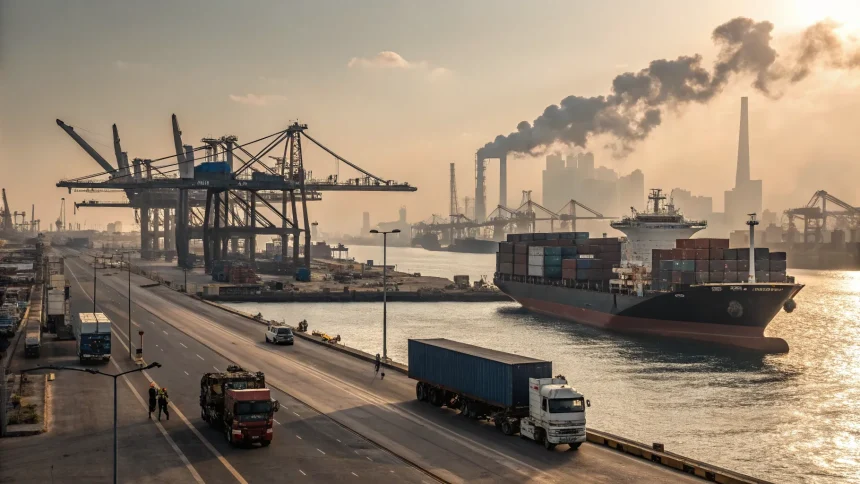
Fresh tensions with Iran are rippling through the U.S. economy, pressuring prices, chilling demand, and slowing hiring as companies brace for uncertainty. Business leaders and trade groups report higher energy and shipping costs, weaker order books, and cutbacks in staffing plans as they assess the fallout.
“The conflict with Iran has already put fresh stress on the U.S. economy, as companies report rising prices, fewer orders and a decline in employment.”
The strain is most visible in energy-sensitive sectors and global supply chains. Firms that rely on fuel, parts, and overseas logistics say they are adjusting budgets and timelines. The concerns center on oil markets, shipping routes, and risk premiums that raise costs across the board.
Rising Energy and Shipping Costs
Geopolitical shocks in the Middle East often feed through oil prices. Even a small jump in crude can lift gasoline, diesel, and jet-fuel costs. That hits households at the pump and businesses on the road and in the air. Transport firms face higher fuel bills, while manufacturers pay more to move inputs and finished goods.
Insurers and carriers tend to add risk surcharges when conflict threatens key sea lanes. The Strait of Hormuz, a vital chokepoint for global oil flows, can be a pressure point. Rerouting vessels or paying higher insurance pushes up freight rates. Those increases can appear in consumer prices weeks later.
Airlines, trucking fleets, and parcel shippers often try to pass on fuel surcharges. Retailers and food producers then confront higher logistics costs. Not all of those increases can be absorbed, so margins tighten or prices rise.
Orders Slow as Uncertainty Grows
The shock is also hitting demand. When costs rise and headlines turn volatile, customers delay purchases. Distributors draw down inventories. Capital projects are paused while managers wait for clearer signals on prices and policy.
Manufacturers report thinner order pipelines, especially for export-heavy categories. Service firms tied to travel and events see softer bookings as budgets get trimmed. Some companies pull forward only the most urgent purchases and push the rest into later quarters.
Procurement teams are renegotiating contracts and seeking alternative suppliers. That can steady supply but adds short-term friction and expense. Smaller businesses, with less bargaining power, may find fewer options and tighter cash flow.
Hiring Pullback and Regional Effects
Hiring plans are cooling. Employers cite higher input costs and weaker orders as reasons to slow headcount growth. Some are freezing open roles, while others shorten shifts or reduce overtime. Temporary staffing firms often feel the shift first.
The impact is uneven across regions and industries:
- Energy producers and defense contractors may see stronger demand and investment.
- Transport, agriculture, and construction are more exposed to higher fuel and materials costs.
- Tourism and hospitality can face mixed trends, with fuel costs up and discretionary travel down.
For workers, fewer openings and reduced hours can weigh on incomes. For employers, a slower labor market may ease wage pressure but risks a hit to sales and productivity if demand weakens further.
Policy Choices and Market Signals
Policymakers face a difficult mix: inflation pressures from energy and freight, and slower growth from weaker demand. The Federal Reserve has navigated similar trade-offs, weighing inflation risks against signs of cooling activity. If price pressures persist, rate cuts may be delayed. If demand falters more sharply, officials could shift to support growth.
Financial markets tend to react quickly. Oil and defense shares often rise on conflict risk, while transport and consumer stocks can lag. Bond markets may price in slower growth, but inflation expectations can edge up if energy costs stay high. These cross-currents can keep volatility elevated.
What History Suggests and What’s Next
Past flare-ups involving Iran have produced short, sharp moves in oil and shipping. The duration of the economic hit has depended on how long the disruption lasts and whether supply routes adjust. Strategic reserves, alternative freight corridors, and demand conservation can blunt the shock.
Companies are revisiting contingency plans. Many are locking in fuel hedges, diversifying suppliers, and tightening inventories. Households may shift spending from big-ticket items to essentials if prices rise further.
Key markers to watch include crude prices, diesel and jet-fuel spreads, ocean freight rates, and business surveys on orders and hiring. Clearer signs of easing tensions could lower risk premiums and support a rebound in demand. A prolonged standoff would raise the chance of deeper cost pass-through and a wider hiring slowdown.
For now, the message from boardrooms is caution: costs are up, orders are softer, and hiring is slowing. The path ahead will hinge on whether supply routes stabilize and energy markets cool, or whether the shock settles in for longer.