South Korea’s beauty sector has moved from niche export to global force, reshaping how consumers care for skin and shop for cosmetics.
From Seoul to Sephora, K‑beauty brands are setting trends, introducing formats, and pushing gentle, skin-first routines.
This rise draws on fast product cycles, ingredient innovation, and pop culture influence, while raising new questions about safety, sustainability, and access.
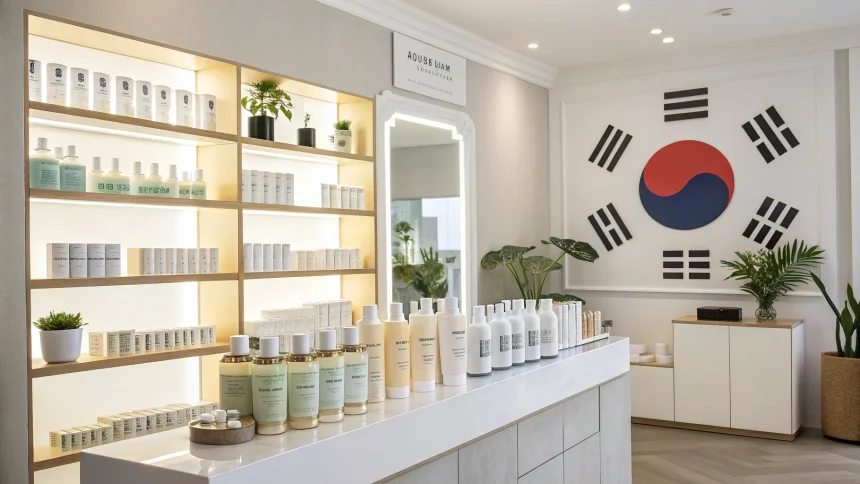
“Inside the K-beauty industry that has made South Korea a major player in worldwide beauty market.”
How a skin-first philosophy went global
K‑beauty broke through with a simple idea: prioritize skin health over heavy coverage.
That shift turned multi-step routines into a mainstream habit, from double cleansing to SPF every day.
Products like BB creams, sheet masks, and essences attracted new shoppers who wanted visible results with mild formulas.
Social media accelerated the movement. Tutorials and reviews helped consumers learn techniques and compare products in real time.
Speed, labs, and the rise of gentle formulas
South Korean brands work closely with local manufacturers and labs.
Short development cycles allow quick response to demand, seasonality, and ingredient trends.
Formulas highlight hydration, barrier support, and low-irritation actives.
Centella asiatica, hyaluronic acid, ceramides, and snail mucin moved from specialty products into everyday use.
Dermatologists say this gentler approach can help reduce over-exfoliation and support long-term skin balance.
Distribution power: from duty-free to drugstores
K‑beauty built reach through travel retail, e‑commerce, and global retail partners.
Affordable price points lowered the barrier for trial, while refill and mini sizes invited sampling.
Flagship stores in Seoul evolved into branding hubs, where design and experience play a central role.
Direct-to-consumer sites then carried these concepts abroad, supported by fast shipping and clear return policies.
- Formats that spread worldwide: sheet masks, pimple patches, cushion compacts
- Routines that stuck: daily sunscreen, gentle exfoliation, barrier repair
- Retail moves: pop-ups, limited drops, influencer collaborations
Questions over safety, claims, and shade range
Growth also brought scrutiny.
Consumers ask for plain-language labels, clinical data, and consistent SPF performance.
Regulators in key markets have tightened testing requirements and claim standards.
Brands face pressure to expand shade ranges and address more hair and skin types.
Industry watchers say this will determine which companies keep global traction.
Sustainability and supply chain pressures
Frequent launches can mean higher packaging waste.
Some brands are trialing refills, recycled materials, and simpler component designs.
Ingredient sourcing is under review as demand grows for seaweed, ginseng, and botanicals.
Experts recommend clearer traceability and third‑party certifications to build trust.
What comes next: science, services, and local fit
Analysts expect more dermatologist partnerships and clinical trials to support claims.
AI skin analysis and personalized routines are entering stores and apps, linking products to measured outcomes.
Localization will matter. Successful launches will adapt textures, fragrances, and shade ranges to regional tastes.
Price discipline will be key as inflation and currency swings pressure margins.
Multiple viewpoints on the path forward
Retail buyers value the steady stream of newness but ask for longer shelf lives and fewer duplicates.
Dermatology voices push for fewer steps and more proven actives to reduce irritation and confusion.
Eco‑advocates argue for slower launch calendars and packaging designed for easy recycling.
Brand leaders, in turn, see education as the bridge, with clearer routines and usage guidance.
K‑beauty has changed how people talk about skincare and what they expect from daily routines.
The next phase will hinge on transparency, testing, and relevance across cultures.
Shoppers can watch for simpler routines, clearer labels, and wider shade ranges.
Brands that deliver results with less waste and stronger proof are set to keep their edge.