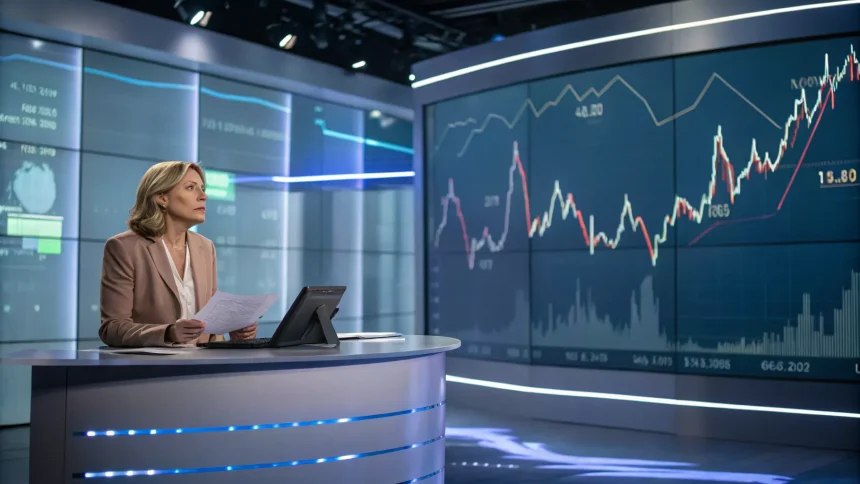
Stocks and bonds swung as investors weighed fresh inflation figures against rising geopolitical risk linked to the war in Iran. On the financial program “Making Money,” iCapital chief investment strategist Sonali Basak outlined how the data and conflict are shaping positions across equities, credit, commodities, and currencies. Her analysis centered on what the Federal Reserve may do next and how energy shocks and risk aversion could filter through markets in the weeks ahead.
The latest inflation report arrived during a delicate stretch for policy and growth. Traders marked down rate cut odds as oil prices climbed and safe-haven demand resurfaced. Basak addressed the shifting rate path and why headline numbers matter for consumer confidence and corporate margins. She also noted that market reactions can move faster than the data, especially when geopolitical threats are in play.
Inflation Signals And The Fed’s Dilemma
Inflation has cooled from its peak, but price pressures remain uneven. Core services, shelter, and wage-sensitive categories continue to draw attention. Basak explained that investors are watching whether progress is steady enough for the Fed to lower rates without stoking a new price spike.
Markets are especially sensitive to the mix of headline and core readings. A hot energy print can lift headline inflation, even if core stays contained. That complicates the Fed’s calculus and pushes investors to reassess duration risk. Rate expectations shifted after the data, with futures implying a slower pace of easing this year.
For households and companies, even small moves in inflation affect borrowing costs and planning. Retailers and manufacturers face higher input prices if energy rises. Consumers respond by trading down or delaying purchases, which pressures earnings.
Iran Conflict And Energy Market Shock
The war in Iran is driving supply fears in oil and shipping. Any disruption to production or transport can ripple through global prices. Basak highlighted how traders tend to price geopolitical risk quickly, then adjust as events unfold.
Energy-sensitive sectors rallied on higher crude, while fuel-intensive industries lagged. Airlines, logistics firms, and select consumer names saw pressure. Credit markets reflected a modest flight to quality as spreads widened in the weakest tiers of high yield.
- Oil and gas shares rose on supply concerns.
- Defense and cybersecurity names gained on risk hedging.
- Utilities and staples drew interest as defensive plays.
Gold and the dollar showed classic haven behavior. Emerging market assets were mixed, depending on energy exposure and external funding needs. European markets tracked U.S. swings, with added sensitivity to energy imports.
Portfolio Positioning And Risk Management
Basak emphasized the need to stress test portfolios against multiple paths: a stickier inflation track, a quicker disinflation path, and a prolonged geopolitical shock. She pointed to liquidity planning and quality upgrades in credit as practical steps if volatility persists.
Investors are revisiting duration. A measured approach includes laddering maturities and favoring high-quality issuers. In equities, cash flow resilience and pricing power remain important screens. Companies with strong balance sheets and diverse supply chains may handle energy spikes better.
For tactical hedges, energy exposure and gold have offered near-term offsets, but timing and sizing matter. Options-based hedges can cap downside, though costs rise when fear gauges jump.
Historical Parallels And What Differentiates Today
Past energy shocks often brought slower growth and sticky inflation. Yet today’s economy features improved fuel efficiency and diverse supplies compared with earlier episodes. That tempers the hit but does not remove it.
Unlike prior cycles, central banks are exiting emergency settings while inflation is still above target in parts of the world. That limits policy flexibility. Fiscal dynamics also vary, with some governments carrying higher debt loads into a period of higher rates.
Corporate earnings have held up better than many expected, helped by cost cuts and productivity gains. However, margin resilience could fade if energy costs keep rising and pricing power wanes.
Outlook And Key Markers To Watch
Basak’s framework suggests focusing on a few signposts. First, track core inflation momentum and wage trends. Second, watch crude benchmarks and shipping rates for signs of sustained stress. Third, monitor credit spreads and liquidity, which often flag pressure before equities do.
She also pointed to central bank communications. Any hint of a slower or smaller easing cycle would affect rate-sensitive sectors and global capital flows. Meanwhile, earnings guidance will reveal how companies are planning for energy and input costs.
Markets will likely trade headline to headline as the conflict evolves. That argues for disciplined risk limits and diversified exposures rather than big directional bets.
As the inflation picture and Iran conflict develop, investors face a narrow path. The balance between policy easing and price stability remains fragile. A smoother landing is still possible if core inflation eases and energy shocks fade. If not, higher-for-longer rates and episodic volatility could define the next leg. The coming data releases, Fed signals, and any change on the ground in Iran will set the tone for summer trading and the back half of the year.