India is pressing ahead with big public works even as global oil prices rise, signaling that the government will protect growth plans while managing fiscal risks. Officials say the country’s deficit goal for this year remains within reach, and they are weighing selective spending cuts to protect investments in roads and railways.
The stance comes as tensions in the Middle East lift crude prices, raising import costs for a nation that buys most of its oil from abroad. The government’s message is clear: capital spending will continue to support jobs, demand, and long-term capacity, even if other outlays face tighter control.
Fiscal Strategy Amid Oil Shock
Senior officials describe a two-track plan. They will keep building core transport links, while trimming non-essential spending to cushion the energy hit. The approach aims to protect the deficit target set in the budget.
“Despite global oil price surges due to the Middle East crisis, the government believes its fiscal deficit target remains achievable for now.”
India’s finances are sensitive to oil because the country imports more than four-fifths of its crude. Higher prices can raise fuel subsidies, lift transport costs, and pressure inflation. That can weaken revenue and make deficit math tougher. Policymakers are trying to get ahead of those risks without slowing the investment cycle that has supported growth.
Infrastructure Push and Jobs
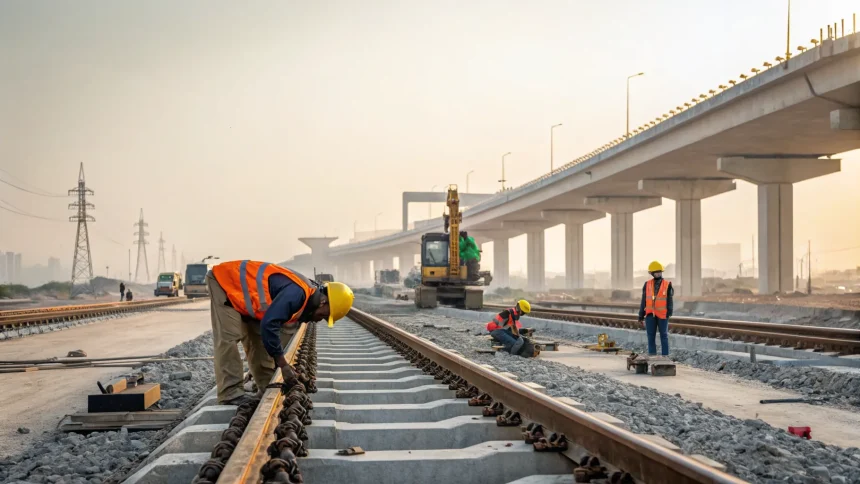
The government has placed roads and railways at the center of its growth strategy. Officials argue that each rupee of capital expenditure crowds in private activity by easing logistics, cutting travel time, and creating construction jobs.
“India is maintaining its focus on crucial infrastructure projects like roads and railways.”
Large transport projects tend to support a wide range of suppliers, from steel to cement to machinery. They also help move farm goods and factory output more efficiently. That can lower costs for businesses and improve market access for smaller towns.
“Officials are exploring spending curbs in some areas but are committed to capital expenditure for growth and jobs.”
What Gets Trimmed, What Gets Protected
People familiar with the plan suggest that tighter control may fall on administrative spending, slower-moving schemes, and non-urgent purchases. Grants and transfers may be sequenced to match revenue inflows more closely.
- Priority: roads, railways, and other capital-heavy projects.
- Flexible: non-critical operational spending and lower-impact programs.
- Monitored: subsidies and welfare outlays as oil stays volatile.
This kind of reprioritization helps keep investment steady even if energy costs bite. It also offers room to respond if inflation rises or growth slows.
Risks, Trade-Offs, and Market View
Economists say the plan carries trade-offs. Prolonged high oil could strain fuel subsidies and raise borrowing needs. Tighter non-capital spending can protect the deficit but may weigh on some services. If inflation picks up, the central bank could stay cautious, raising financing costs for the public sector.
Bond investors often welcome credible deficit discipline and clear priorities. A visible pipeline of road and rail projects can also support contractor confidence. Yet markets will watch revenue trends, oil import bills, and the pace of actual project execution in the months ahead.
Background and Outlook
In recent years, New Delhi has leaned on public investment to anchor growth while private investment recovers. That strategy helped the economy through supply shocks and uneven export demand. The current oil spike tests how far that strategy can stretch without breaching the deficit goal.
Key signals to watch include fuel tax collections, subsidy adjustments, project tender activity, and monthly deficit data. A quick pullback in oil prices would ease pressure. A longer spike would likely force deeper savings in other parts of the budget.
For now, the government is betting that a steady build-out of roads and railways will support jobs and keep the recovery on track. The coming quarters will show whether selective curbs can offset costlier energy while shielding investment. If the plan holds, India could sustain growth momentum and keep its deficit path intact. If oil stays high, expect a tighter squeeze on lower-priority spending and even sharper focus on project efficiency.