

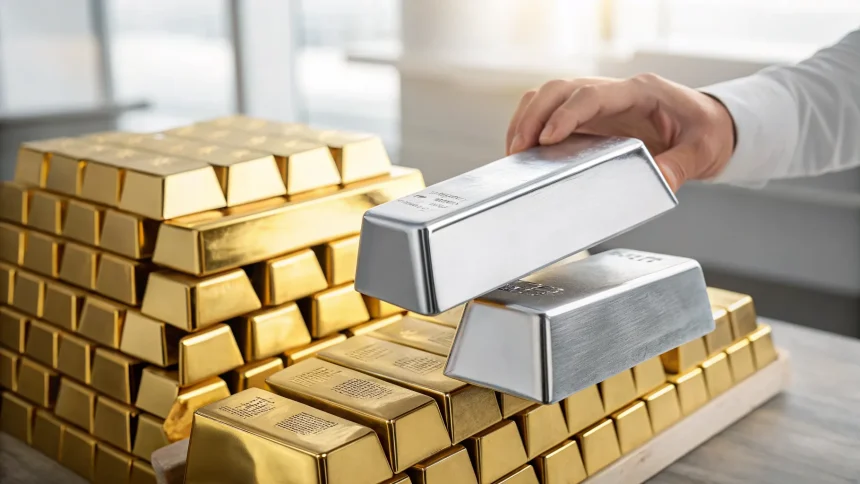
As prices climb and purchasing power slips, investors are rethinking how to protect their savings. A simple suggestion is gaining fresh attention: add silver. The guidance, offered this week, points to precious metals as a possible shield when inflation picks up. The idea targets people who hold cash-heavy portfolios and worry about rising costs and market swings.
If you’re worried about increased inflation, adding precious metals like silver to your portfolio can be a smart choice.
Inflation worries have flared in recent years after supply shocks, tight labor markets, and shifting energy costs. Central banks raised rates to cool demand, but many households still feel the squeeze. In this setting, investors often revisit older playbooks. Silver, like gold, has a long history as a store of value. It also has a dual life in industry, which gives it unique drivers.
Inflation fears return: what history shows
When inflation rises, cash and fixed income can lose real value. Over long stretches, some investors have turned to hard assets. Gold often leads those conversations, but silver has seen bursts of strong demand during high-inflation periods. The late 1970s and early 1980s, the 2011 commodity surge, and the pandemic era each brought waves of interest.
Unlike gold, silver is used widely in manufacturing. That includes electronics, medical devices, and photography in past decades. More recently, demand has grown in solar panels and electric vehicles. This industrial link can help when growth is steady. It can also add volatility when factories slow.
Why silver stands out
Silver is cheaper per ounce than gold, so small investors can buy more units for the same outlay. It can be held in many ways, including coins, bars, exchange-traded funds, and mining stocks. Each comes with its own trade-offs on cost, storage, and liquidity.
Advocates point to three features that may help during inflation:
- Diversification: it tends not to move in lockstep with stocks or bonds.
- Hard-asset appeal: like other metals, it cannot be printed or diluted.
- Industrial demand: growth in clean energy can lift use over time.
The risks: price swings and practical costs
Silver is more volatile than gold. Its price can rise fast and fall just as quickly. That volatility can stress investors who need stable value over short periods. Storage and insurance add costs for physical holdings. ETFs charge fees. Mining stocks add company and market risks on top of metal prices.
There is also timing risk. Inflation can cool, and metal prices can drop even as the cost of living remains high. Investors who buy after big run-ups may face sharp pullbacks.
How investors put it to work
Many savers prefer a modest allocation as part of a broader mix. That can limit drawdowns while still giving exposure to a potential hedge. There is no single right number, but allocations are often kept small compared to stocks and core bonds.
Approaches vary:
- Physical coins and bars for long-term holding and no counterparty risk.
- ETFs for easier trading and no storage chores.
- Mining shares for higher risk and potential leverage to price moves.
Whatever the route, fee awareness and liquidity planning matter. So does a clear exit plan if the inflation outlook changes.
What could move silver next
Several forces may shape demand. A steady build-out of solar capacity tends to support industrial use. Policy incentives for clean energy add to that trend. On the other hand, a global slowdown can hurt factory demand and weigh on prices.
Monetary policy is another driver. If central banks pause or cut rates after a period of tightening, metals can draw new buyers seeking alternatives to cash. A strong dollar can pressure prices, while a weaker dollar can help.
The message is clear and timely. Inflation can erode savings, and silver offers one way to diversify defenses. But it is not a cure-all. The metal’s swings, costs, and complex drivers call for restraint. For many, the next step is simple: set a small, well-defined allocation, know the fees, and review it with the rest of the portfolio. Watch policy moves, energy demand, and growth data. Those signals will shape whether silver’s shine lasts or fades in the months ahead.